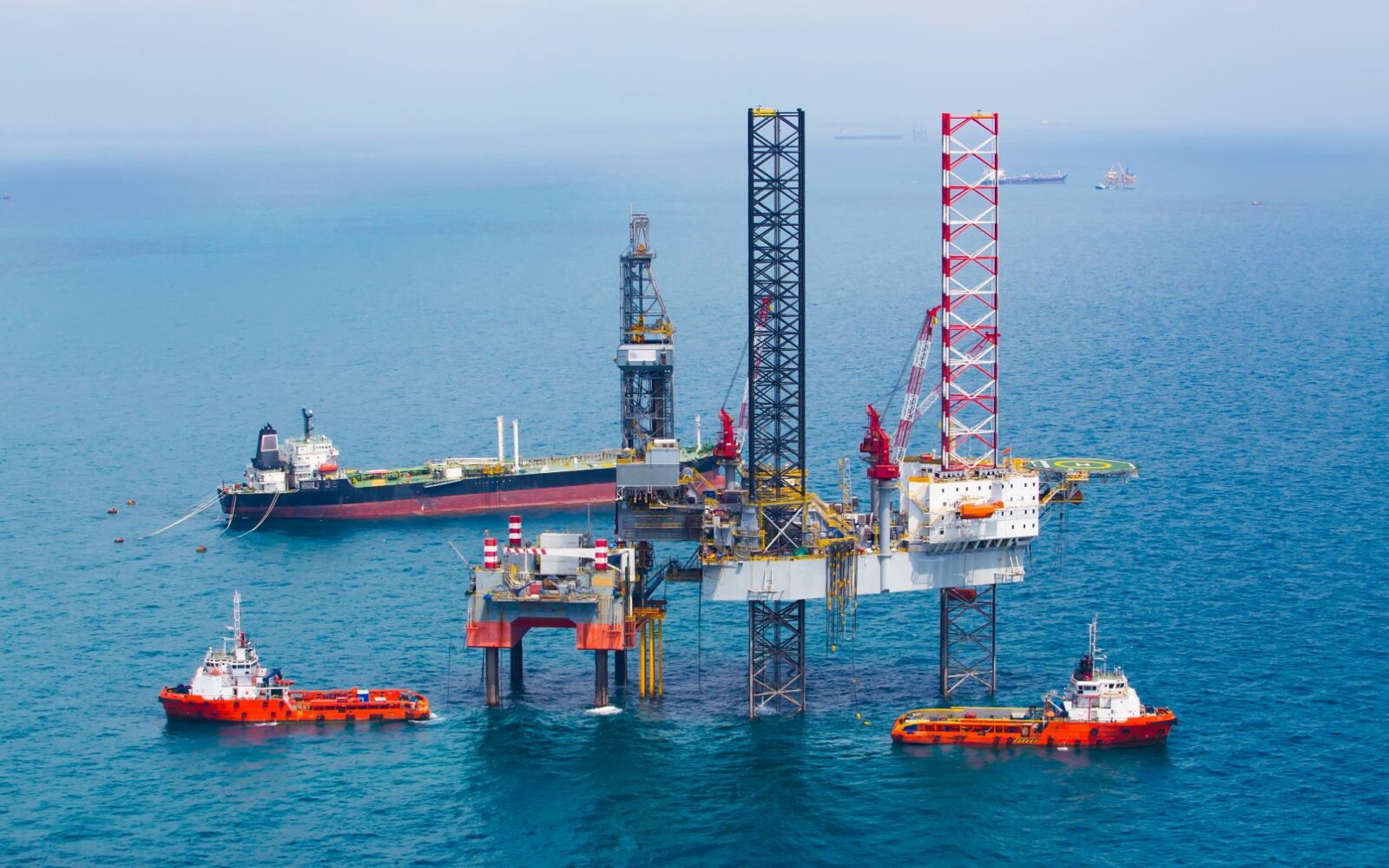

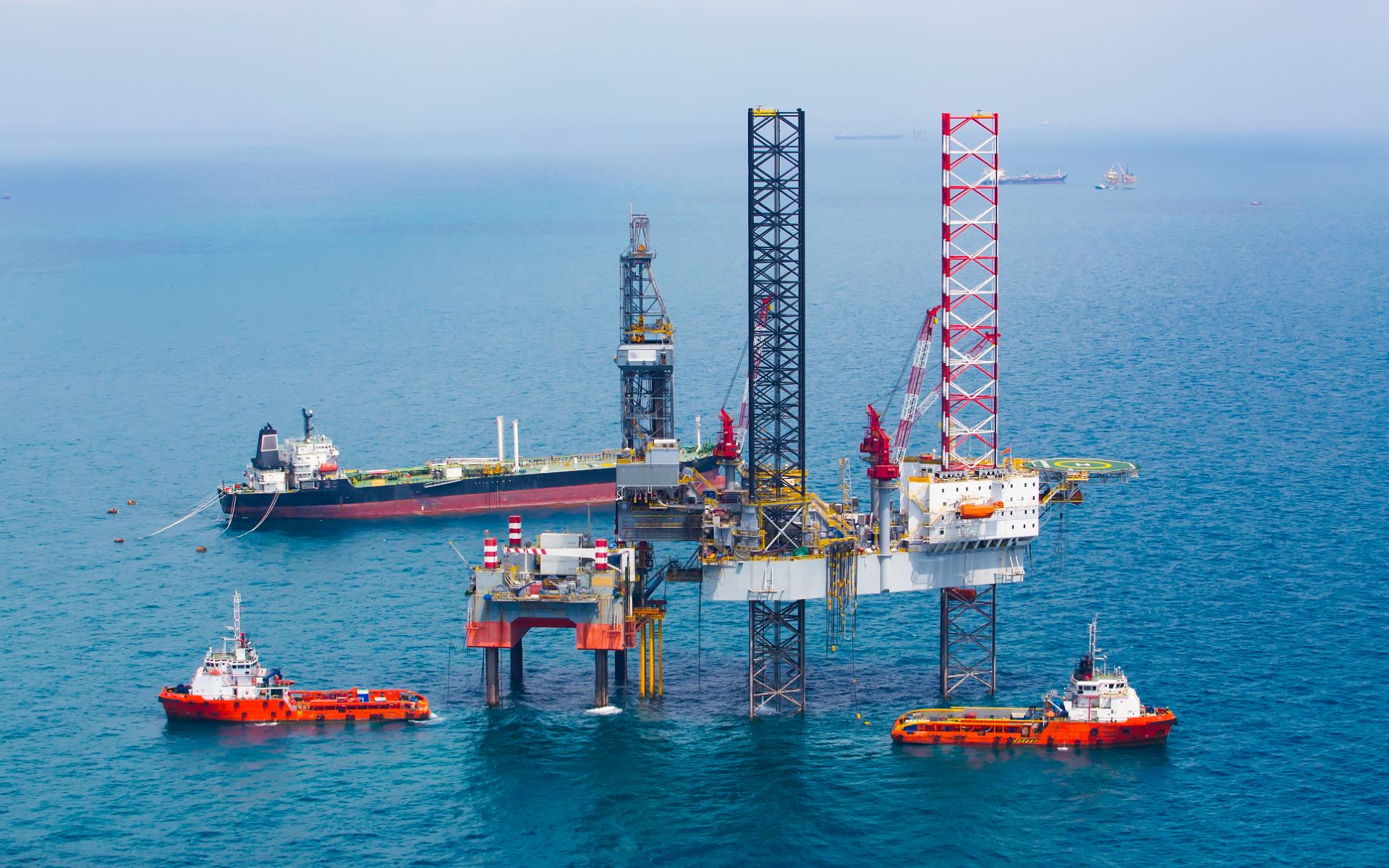
Eni Ghana, together with its Offshore Cape Three Points (OCTP) partners Vitol Upstream Ghana Ltd. and the Ghana National Petroleum Corporation (GNPC), has commenced operations on the Sankofa East 1X Side Track 2, a key development in Ghana’s upstream energy sector.
Cutting-Edge Technology at Work
The drilling campaign is being carried out by the Deep Value Driller (DVD) — one of the world’s most advanced drillships. Recently completing operations in Côte d’Ivoire, the DVD is now operating offshore Ghana. The rig features state-of-the-art automation and offers world-class performance and safety standards, reinforcing the partners’ commitment to operational excellence.
Securing Ghana’s Energy Future
This milestone marks a significant step in unlocking additional resources from the OCTP block, helping to sustain long-term production and enhance Ghana’s energy security. The OCTP block has been a vital contributor to the country’s energy supply, and this new phase is expected to boost overall output.
Engaging Coastal Communities
In preparation for the drilling activity, Eni and its OCTP partners undertook extensive stakeholder engagement along Ghana’s coastline. More than 800 fishermen and local leaders participated in community engagement sessions, designed to ensure transparency and foster cooperation.
The program was carried out in partnership with key national agencies, including: Environmental Protection Agency (EPA), Petroleum Commission (PC), Ghana Maritime Authority (GMA), Ghana Navy, Fisheries Commission, Ghana National Canoe Fishermen Council (GNCFC)
Eni’s Presence in Ghana
Eni has been operating in Ghana since 2009, focusing on offshore hydrocarbon exploration and production. The company currently maintains an equity production of approximately 34,000 barrels of oil equivalent per day. The OCTP joint venture comprises: Eni Ghana – Operator (44.4%), Vitol Upstream Ghana Ltd. (35.6%), Ghana National Petroleum Corporation (GNPC) (20%)
Beyond energy production, the partnership supports projects in skills training, economic diversification, access to water and sanitation, and energy accessibility for local communities.