
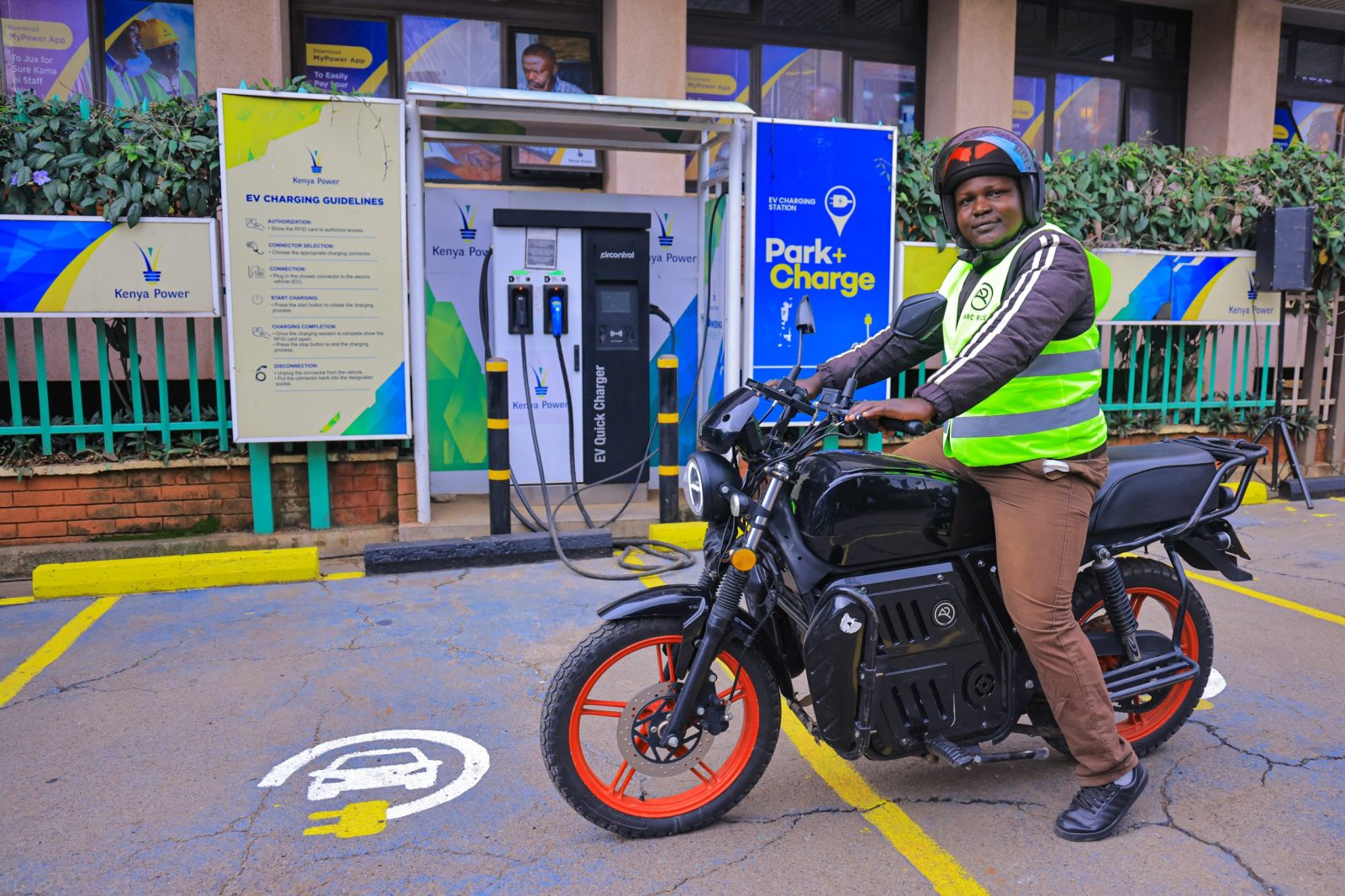

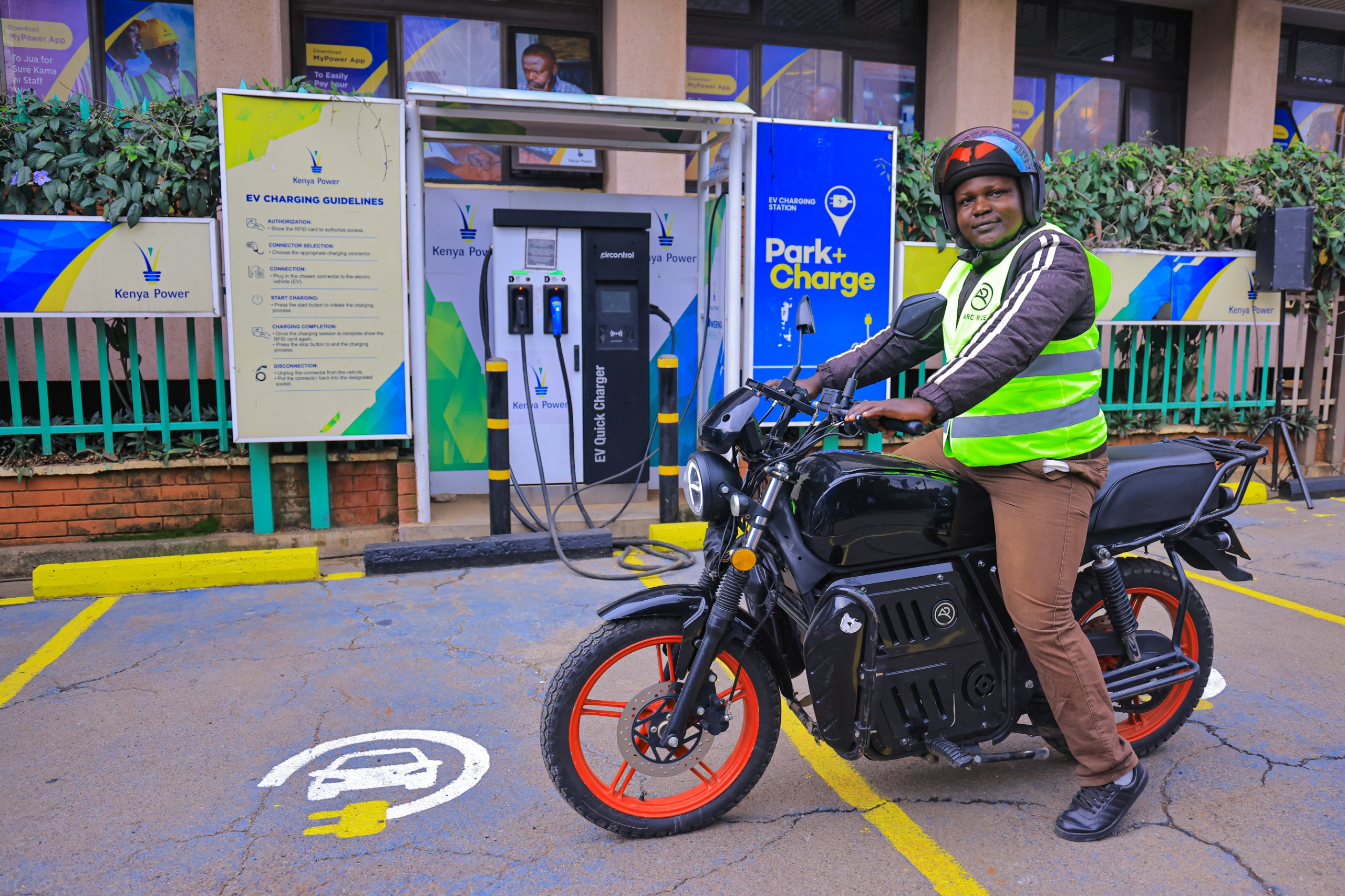
Kenya Power has launched a nationwide exercise to identify and migrate customers using electricity to charge electric vehicles (EVs) onto its dedicated e-mobility tariff as revenues from the sector continue to grow.
The utility said the initiative targets customers currently charging EVs outside the specialised tariff structure introduced in 2023 following approval by the Energy and Petroleum Regulatory Authority (EPRA).
Under the tariff system, EV users are charged Sh16 per unit during peak periods and Sh8 per unit during off-peak hours, a structure aimed at encouraging adoption while improving monitoring of electricity demand within the e-mobility sector.
Speaking on the development, Kenya Power Managing Director, Joseph Siror, said the company remains committed to supporting the growth of electric mobility across the country.
According to him, the transition is intended to benefit not only private vehicle owners but also public transport operators, logistics companies, two- and three-wheeler operators, county transport systems and small businesses seeking cleaner and more affordable transport solutions.
Kenya Power disclosed that cumulative revenues from EV charging reached Sh382 million between July 2023 and April 2026 following the rollout of the tariff.
The utility said monthly revenues increased significantly over the period, rising from Sh873,907 in July 2023 to a peak of Sh35.25 million in February 2026.
Electricity consumption linked to EV charging also recorded strong growth, increasing by 113 percent over the 34-month period from 13,500 kWh to 1.5 million kWh.
According to the company, electricity demand from the e-mobility sector surpassed one million kilowatt-hours in a single month for the first time in November 2025 and has remained above that level since then.
Data from the utility showed that Nairobi remains the largest hub for EV charging demand, contributing Sh271.9 million in revenues, while the Coast region generated Sh55 million, North Eastern Sh35 million and West Kenya Sh11.5 million.
Kenya Power projects that electricity sales to the e-mobility sector could rise to Sh5.9 billion by 2030 as EV adoption and grid integration continue to expand.
The company also disclosed that the number of customers under the dedicated e-mobility tariff has increased to 331 and is expected to reach 1,000 by the end of the current financial year.
Kenya had registered more than 35,000 electric vehicles by the end of 2025, compared to 796 units three years earlier, reflecting the rapid growth of the sector, particularly within the two- and three-wheeler market segments.
Kenya Power said the ongoing metering and migration exercise will help improve national energy planning and support the sustainable expansion of the country’s electric mobility ecosystem.