

Africa is preparing for a major increase in oil and gas investment, with plans to mobilise $10 billion through the newly created African Energy Bank to finance strategic energy projects across the continent.
The announcement was made in Abuja on Tuesday during the opening of the 9th Nigeria International Energy Summit 2026, where policymakers, industry leaders and investors gathered to discuss energy-driven industrial growth.
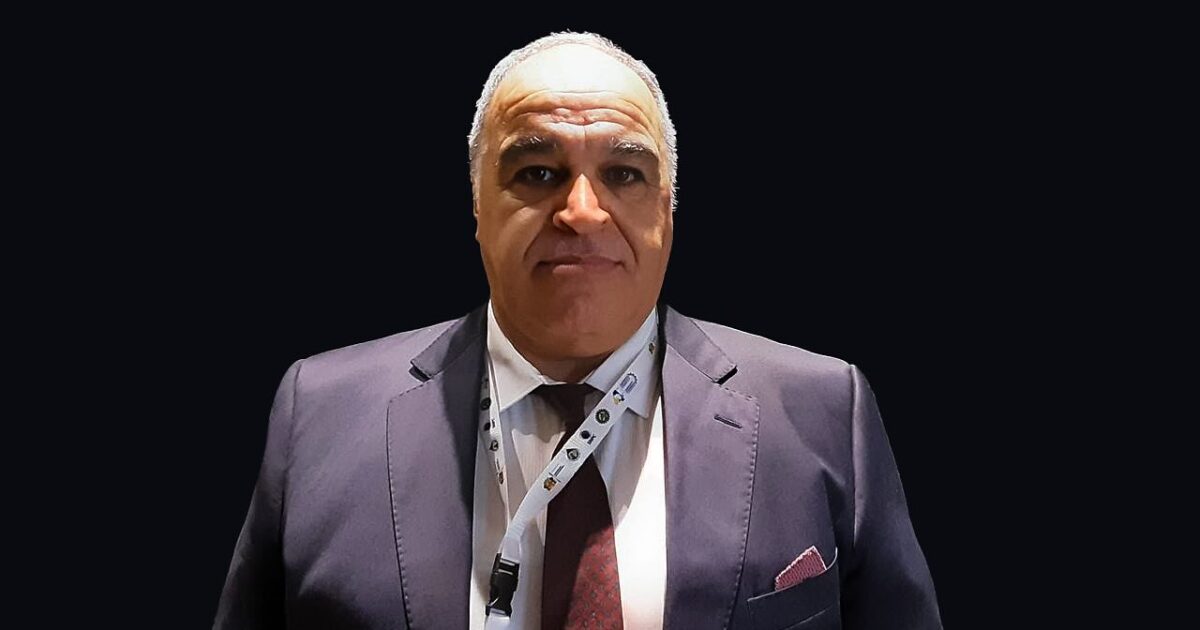
Farid Ghezali, Secretary-General of the African Petroleum Producers’ Organisation (APPO), said the first phase of the initiative will prioritise Nigeria, Angola and Libya, focusing on upstream, midstream and downstream developments.
He said the financing aims to unlock stalled projects, attract global investors and strengthen regional energy self-sufficiency, addressing decades of underinvestment in Africa’s energy infrastructure.
Ghezali said the bank, expected to launch in Abuja in the first half of 2026, will provide structured financing and access to global capital markets while supporting projects that meet environmental, social and governance standards.
The platform is backed by APPO certification and major international oil companies, including Shell and Eni, and is projected to create thousands of jobs across participating countries.
Under the development roadmap, Phase Two in 2027 will introduce a regional gas trading hub and boost local content participation to 50%, while Phase Three, scheduled for 2030, aims to expand the bank into a $212 billion continental financial hub.
The initiative also seeks to reverse Africa’s export-heavy energy model, where about 70% of crude oil and 45% of natural gas are exported, resulting in an estimated $15 billion annual loss in potential local value.
Ghezali said high borrowing costs, which range between 15% and 20% in Africa compared with 4% to 6% in Asia, have stalled more than 150 key energy projects, including refineries and pipelines.
The African Energy Bank is expected to reduce financing barriers, standardise regional energy pricing, generate up to 500,000 direct jobs and improve access to sovereign wealth and private capital.
Industry stakeholders, including the African Refiners and Distributors Association, said the initiative could strengthen intra-African refining, expand petrochemical production and enhance energy security.
The project aligns with rising energy demand across Africa and is expected to support industrial development, regional trade and long-term economic growth.