
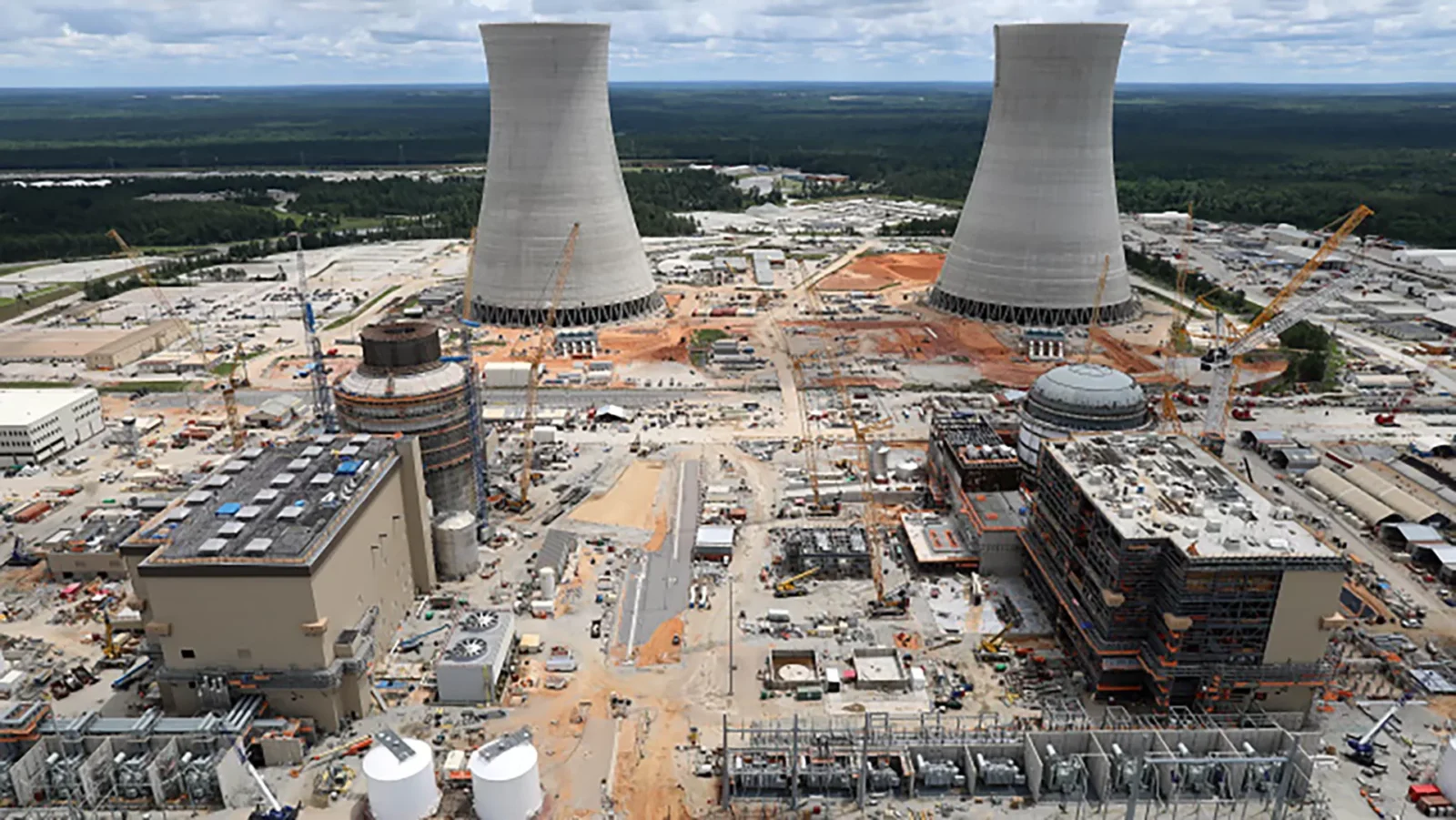

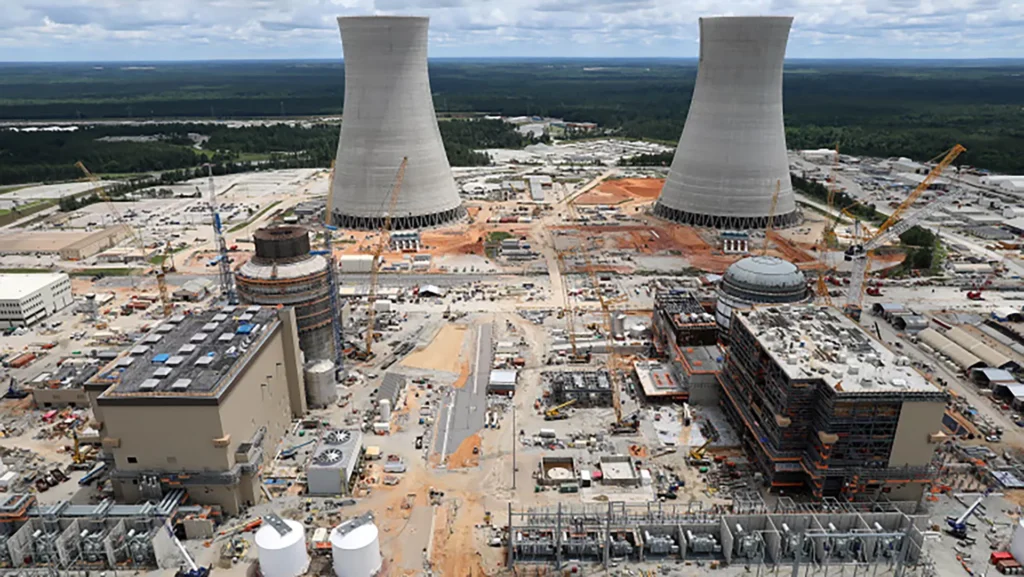
As Ghana aims to establish its first nuclear power plant by 2030, the Nuclear Regulatory Authority (NRA) is prepared to support operators in setting up reactors to enhance the national energy grid. Currently, Ghana relies on fossil fuels and hydroelectric power, which are insufficient to meet the country’s growing energy demands for industrialization. Dr. Emmanuel Ampomah-Amoako, the NRA’s Director of Nuclear Installations, asserts that nuclear energy presents a reliable solution that can attract investment and bolster the economy.
At a media training event focused on nuclear regulatory communications, Dr. Kelle Barfield from the International Atomic Energy Agency emphasized the long-term benefits of nuclear power generation. She noted that while alternative energy sources such as hydropower, wind, and solar have limitations, nuclear energy offers a stable and dependable option for Ghana’s energy future.
The training, which included journalists from the middle and northern regions of Ghana, aimed to enhance understanding of the nuclear sector, including the management of radioactive waste. Prof. Augustine Faanu, the NRA’s Director of Radiological & Non-Ionizing Installation, highlighted the media’s crucial role in shaping public discourse around nuclear energy. He stressed the importance of clear communication to dispel misconceptions and foster public trust in the nuclear industry as Ghana moves forward with its energy policy.