

The Africa Centre for Energy Policy (ACEP) has advised government to prioritise secured gas supply, sustainable financing and technical competence in the development of Ghana’s proposed Second Gas Processing Plant (GPP2), warning against allowing political considerations to influence decisions on the strategic project.
The energy policy think tank said GPP2 could play an important role in improving Ghana’s energy security, reducing gas flaring and providing additional fuel for thermal power generation. However, it stressed that the project’s success would depend on the availability of adequate gas volumes, credible funding arrangements and the involvement of capable technical partners.
ACEP said decisions regarding the project should be guided by Ghana’s long-term national interest, noting that major energy infrastructure requires transparent processes, careful planning and sound commercial considerations.
The organisation acknowledged the contribution of the existing Atuabo Gas Processing Plant in supporting domestic electricity generation but noted that rising demand for natural gas has increased the need for additional processing capacity.
However, ACEP cautioned that expanding gas infrastructure without firm commitments for feedstock supply could result in an expensive facility that operates below capacity and struggles to remain commercially viable.
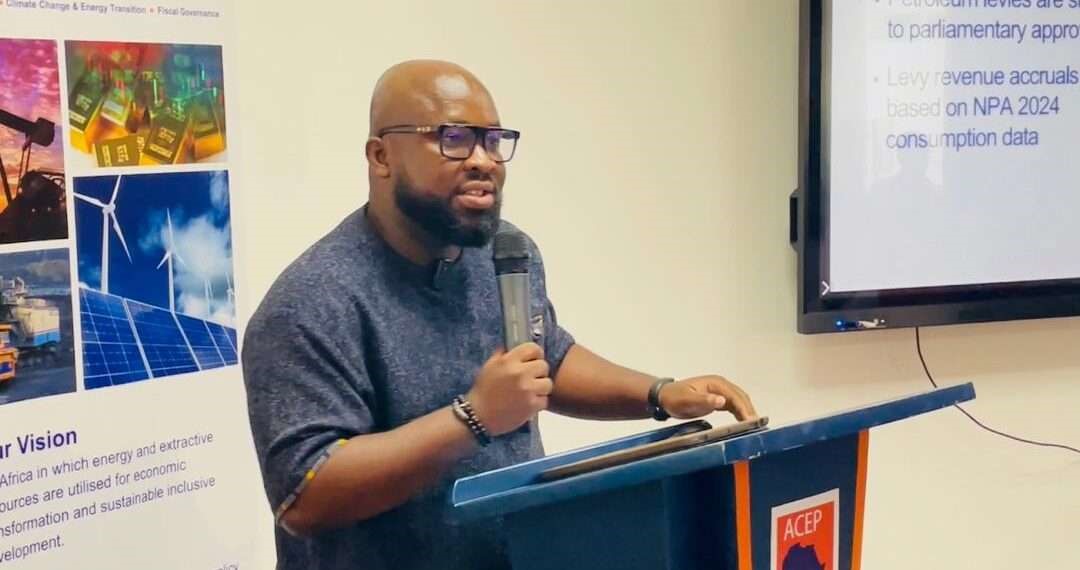
“Building a gas processing plant without secured volumes risks creating an expensive, underutilised asset,” Kodzo Yaotse, Head of Petroleum and Conventional Energy at ACEP, said in an interview.
Yaotse also emphasised the importance of ensuring that financing arrangements for GPP2 are transparent and structured in a way that does not create unnecessary financial pressure on the country.
ACEP recommended the involvement of upstream petroleum companies, including operators of the Jubilee Field and nearby fields, in the project’s financing framework to help secure the gas supply required for sustainable operations.
The institute further stressed that technical expertise should be a major consideration in selecting project partners, arguing that the ultimate goal should be to deliver value for money while strengthening Ghana’s gas-to-power strategy and overall energy resilience.