
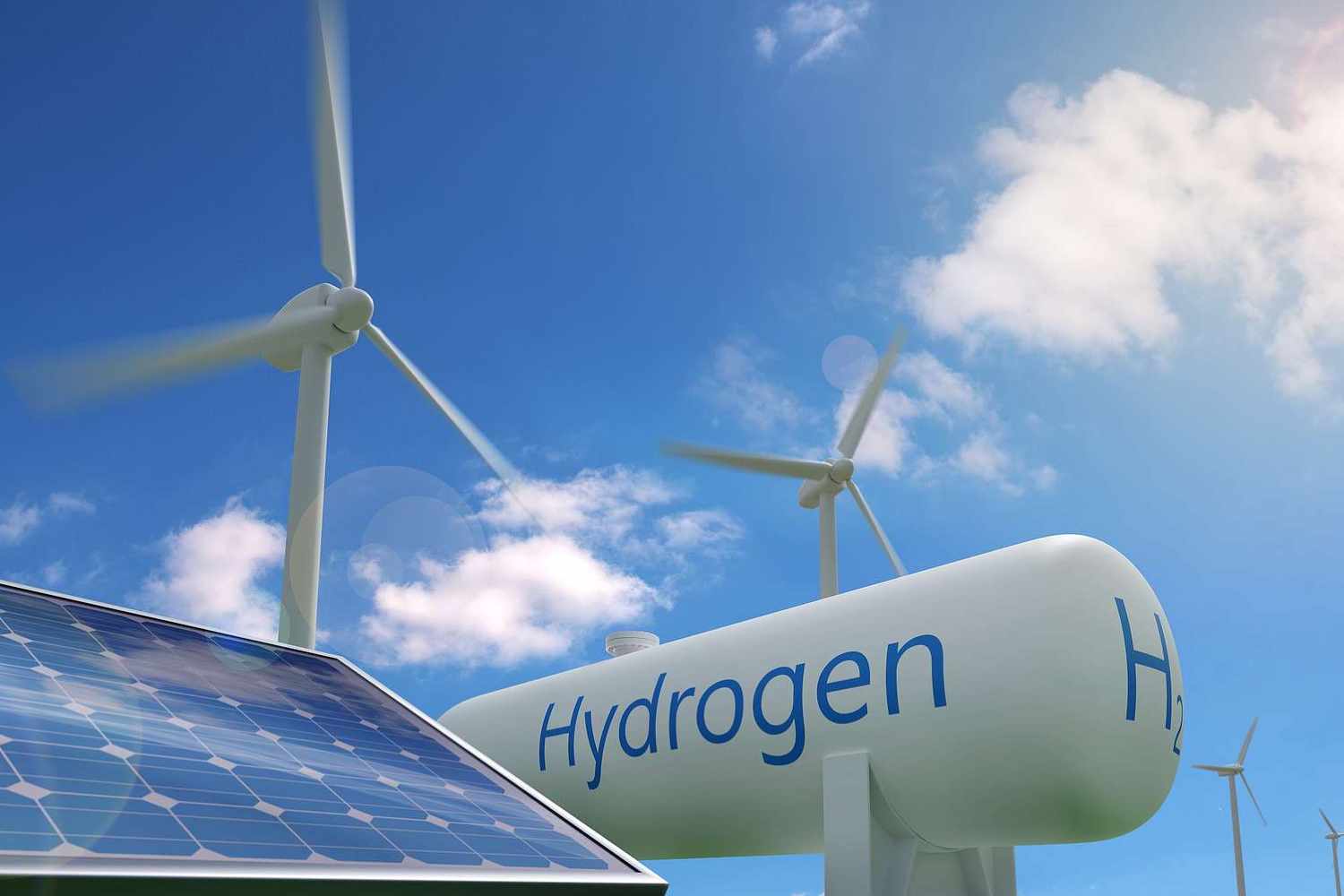

Nigeria, with a youthful population and significant industrialization needs, faces a severe energy crisis exacerbated by reliance on fossil fuels. Approximately 43% of its citizens lack access to stable electricity, hindering economic growth. The government’s overdependence on oil exposes the nation to volatile global energy prices and environmental degradation. To address this, Nigeria must explore renewable energy sources, particularly hydrogen, which is gaining traction worldwide as a clean alternative. Countries like Germany and several African nations are leading in hydrogen energy initiatives, showcasing the potential for transformation.
Nigerian policymakers need to collaborate with the private sector to develop infrastructure for hydrogen production, which can be derived from grey, blue, and green sources. Green hydrogen, produced through renewable energy like solar and wind, presents a zero-emission option that aligns with Nigeria’s abundant resources. However, despite the government’s acknowledgment of hydrogen’s potential in its 2022 energy transition plan, a lack of concrete strategies has stalled progress and deterred private investment.
To facilitate the transition, Nigeria must create a roadmap for the production, transportation, and storage of hydrogen. Existing gas pipelines could be modified for hydrogen transport, reducing costs and accelerating adoption. By harnessing its youthful population for training and innovation in hydrogen technology, Nigeria can turn its energy challenges into opportunities, ultimately positioning itself as a leader in the clean energy sector in Africa.