
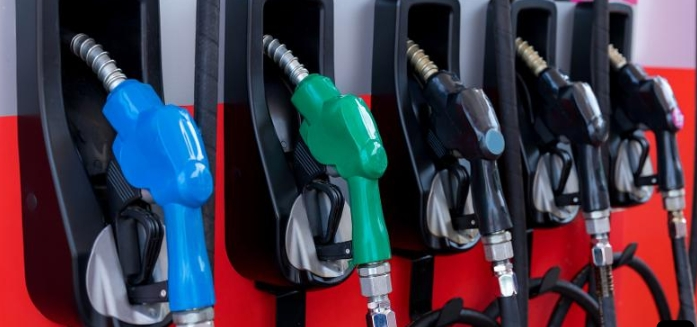
FREETOWN, Sierra Leone – The Sierra Leonean government has ruled out increases in regulated fuel prices for the remainder of 2026, as it intensifies efforts to address petrol shortages that have triggered long queues at filling stations in parts of the country.
The Ministry of Information and Civic Education announced on Monday that the government is working with financial institutions, the National Petroleum Regulatory Authority (NPRA) and oil marketing companies to help fuel importers access U.S. dollars needed to pay for new shipments.
According to the ministry, a shortage of foreign exchange has delayed payments for fuel imports, disrupting supplies as importers purchase petroleum products in U.S. dollars but sell them domestically in leones.
The government said it had already facilitated the issuance of letters of credit to help importers secure additional fuel supplies and ensure the timely arrival of new shipments.
It expects the distribution of additional fuel to begin this week, with shortages and queues likely to ease over the coming days and weeks as more supplies enter the country.
The ministry acknowledged the difficulties faced by motorists, transport operators and businesses, describing the disruptions as a concern for economic and commercial activities.
Despite the supply challenges, the government expressed optimism about the outlook for domestic fuel prices, saying current market conditions offered grounds for confidence, provided there were no major external shocks.
The NPRA will continue monitoring fuel stocks, distribution networks and retail sales to prevent hoarding, artificial shortages and unauthorised increases in pump prices.
The government said its immediate priority was to restore stable fuel supplies, improve access to foreign exchange for importers and ensure petroleum products remain available across the country.
The latest measures come as authorities seek to stabilise the fuel market, protect consumers from additional price pressures and minimise disruptions to transportation and business operations while maintaining existing regulated prices through December 2026.