
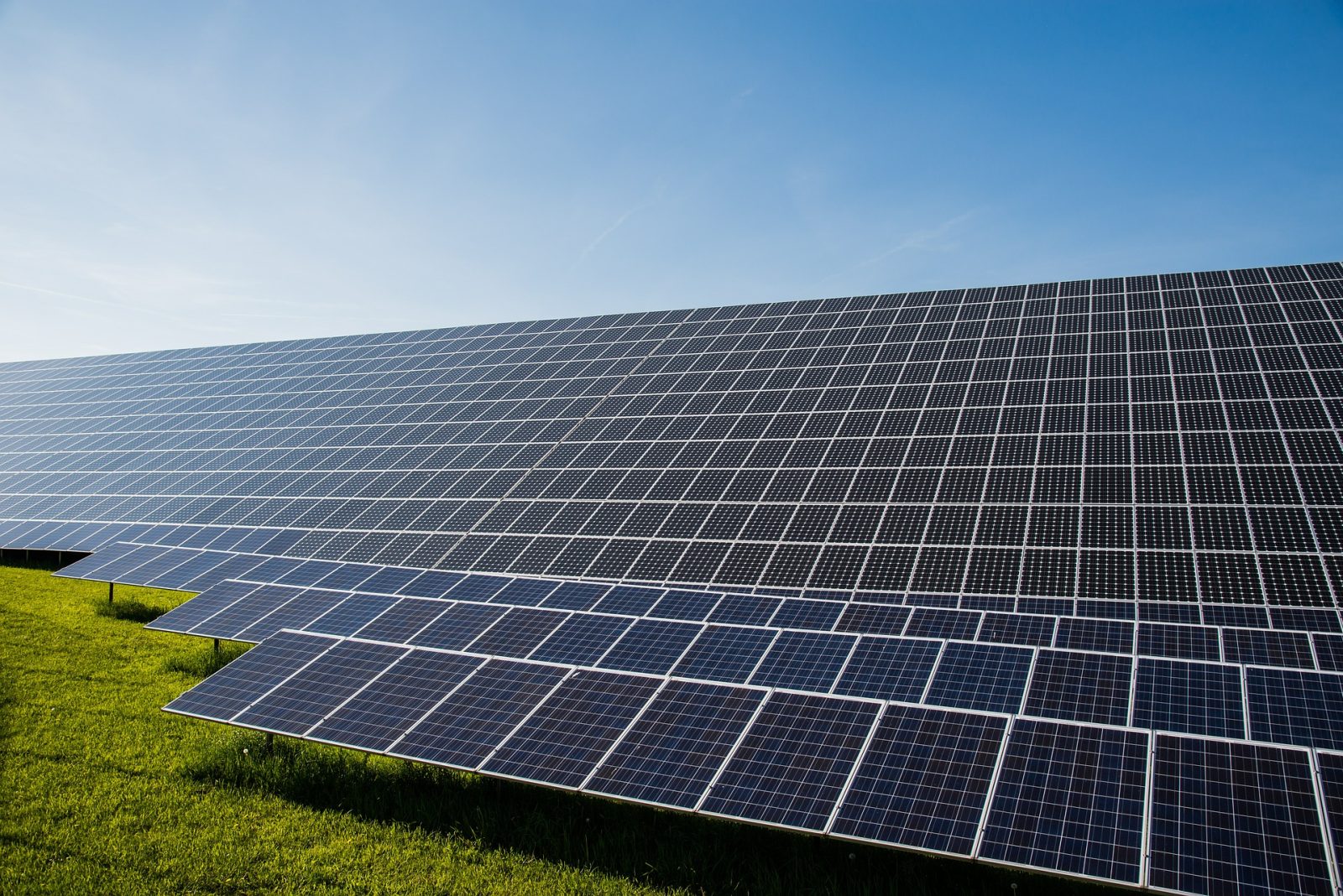

Rwanda has unveiled an ambitious $16 billion Solar Investment Plan aimed at powering every household with clean energy by 2030. The initiative positions the East African nation as a potential leader in renewable energy, marking a decisive step toward universal electrification and sustainable development.
Currently, 82% of Rwandan households have electricity, with 57% connected to the national grid and 25% relying on off-grid solar systems. However, solar energy contributes just 1% of Rwanda’s total 406-megawatt installed capacity, while hydropower dominates at 39%, leaving the country exposed to drought-related risks.
To address this imbalance, the government has introduced the Least Cost Power Development Plan (2024–2050), which targets the installation of 1,500 megawatts of solar power coupled with battery storage. This strategy aims to strengthen energy security, diversify the power mix, and reduce dependence on hydropower.
Financing remains a key challenge. The government estimates it will need $3.6 billion by 2035 to meet rising demand and up to $38 billion by 2050, with solar projects accounting for $16 billion of that total. Despite the costs, officials see renewable energy as vital to Rwanda’s economic resilience and climate goals.
The Rwanda Energy Group (REG) oversees the electricity sector through two subsidiaries: the Electricity Utility Corporation Limited (EUCL), responsible for daily operations, and the Energy Development Corporation Limited (EDCL), which manages planning and electrification.
Private investors also play a crucial role through independent power producer (IPP) models, with EUCL serving as the sole off-taker. Although Rwanda offers tax incentives, experts emphasize the need for stable policies, transparent tariffs, and standardized power purchase agreements to maintain investor confidence.
By standardizing feed-in tariffs and ensuring regulatory consistency, Rwanda hopes to attract more private capital into the renewable energy space. The government views public-private partnerships as essential for bridging the financing gap and achieving long-term sustainability.
If successfully implemented, the Solar Investment Plan could transform Rwanda into a clean-energy model for the African continent. It demonstrates how strategic policy, investment, and innovation can converge to create a reliable and inclusive power future.
Rwanda’s solar drive is not just about electricity—it represents a vision of energy independence, economic growth, and environmental stewardship. The nation’s 2030 goal could redefine how developing economies pursue sustainable power for all.