

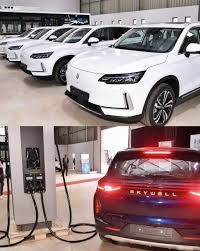
The Public Utilities Regulatory Commission (PURC) has introduced a GH¢2.00 per kilowatt-hour (kWh) electricity tariff for commercial electric vehicle (EV) charging stations, the first formal pricing structure for such services since electric vehicles began gaining presence in the country.
The new tariff will take effect on April 1, 2026, and was announced alongside adjustments to electricity and water tariffs for the second quarter of the year.
Under the new framework, EV charging operators will pay GH¢2.016 per kWh for electricity as well as a monthly service charge of GH¢500.
PURC said the tariff is intended to support the transition to cleaner transportation while encouraging investment in EV charging infrastructure.
The Commission described the development as a key step toward integrating electric mobility into the national energy system, noting that it establishes the first clear electricity pricing framework for commercial EV charging services.
Data from the 2022 Electric Vehicles Baseline Survey by the Energy Commission of Ghana shows that about 17,660 plug-in electric vehicles were imported into the country between January 2017 and December 2021.
Despite the growing number of EVs, the country currently has fewer than 10 charging stations, most of which are located in Accra.
Industry observers believe the introduction of the dedicated tariff could attract more private sector investment into EV charging infrastructure and accelerate the development of the country’s electric mobility ecosystem.
Government institutions, including the Energy Commission of Ghana and the Ministry of Energy and Green Transition, have been promoting electric vehicle adoption through policy initiatives, pilot programmes, and regulatory reforms.
However, limited charging infrastructure and the absence of a dedicated tariff for commercial charging operators have been among the key challenges slowing EV adoption.
The new pricing structure is therefore expected to provide greater regulatory certainty for investors while supporting broader efforts to promote cleaner transport technologies and reduce emissions in the transport sector.