
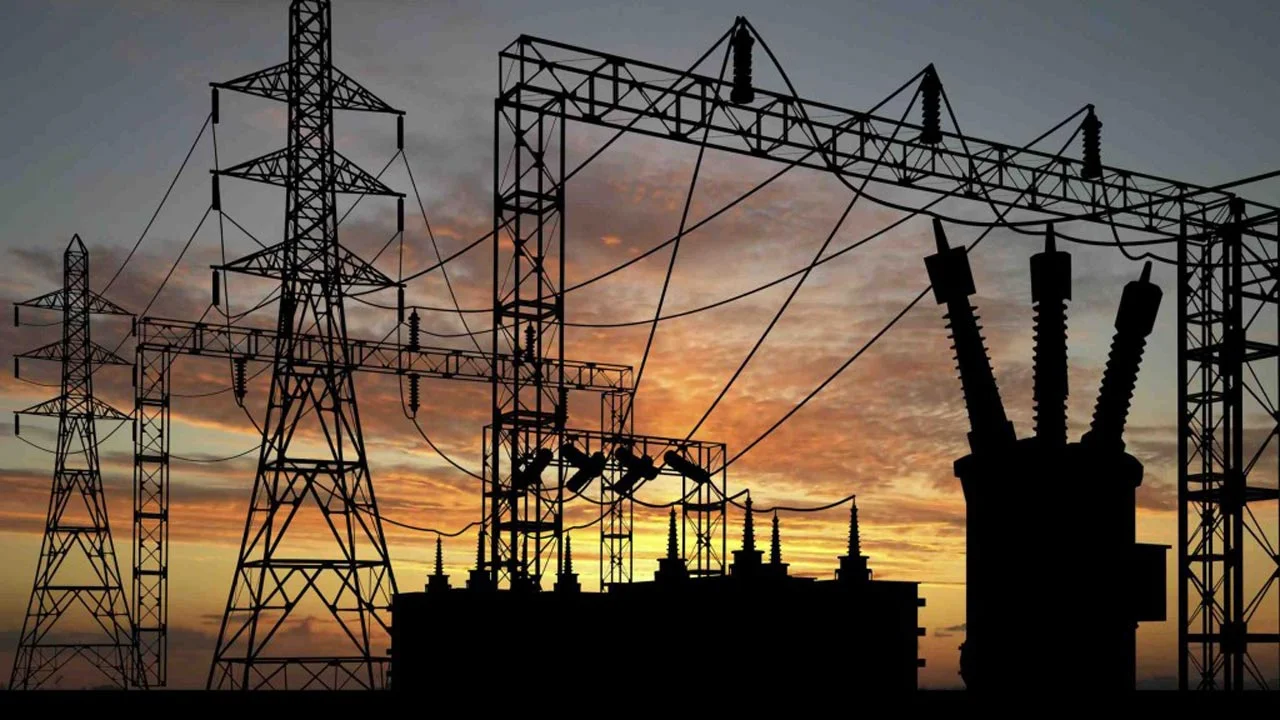

Nigeria’s national electricity grid collapsed on Tuesday, marking the second major system failure in 2026 within one week. The outage, confirmed by the Nigerian Independent System Operator (NISO), caused power generation to drop to zero megawatts at 11:00 am, leaving homes, businesses, and public infrastructure across the country without electricity.
The blackout occurred at the same time the government signed a N501 billion bond under the Power Sector Multi-Instrument Issuance Programme to settle legacy debts owed to generation companies. Key officials present at the signing included the Special Adviser to the President on Energy, the NERC Chairman, and the Director-General of the Debt Management Office.
Power allocation data revealed that major cities, including Lagos, Abuja, Port Harcourt, Kaduna, Kano, and Enugu, recorded zero electricity supply. Gradual restoration has begun in some areas, but officials have yet to release details on the cause or a full recovery timeline.
The latest collapse raises renewed concerns over the reliability and resilience of Nigeria’s electricity infrastructure.