

Attacks on oil tankers intensified in Gulf waters on Thursday as the conflict between the United States, Iran, and Israel continued to escalate, raising fears the crisis could spread across key energy-producing regions.
Iranian drones also entered Azerbaijan, injuring four people and signalling the conflict may expand beyond the immediate battlefield.
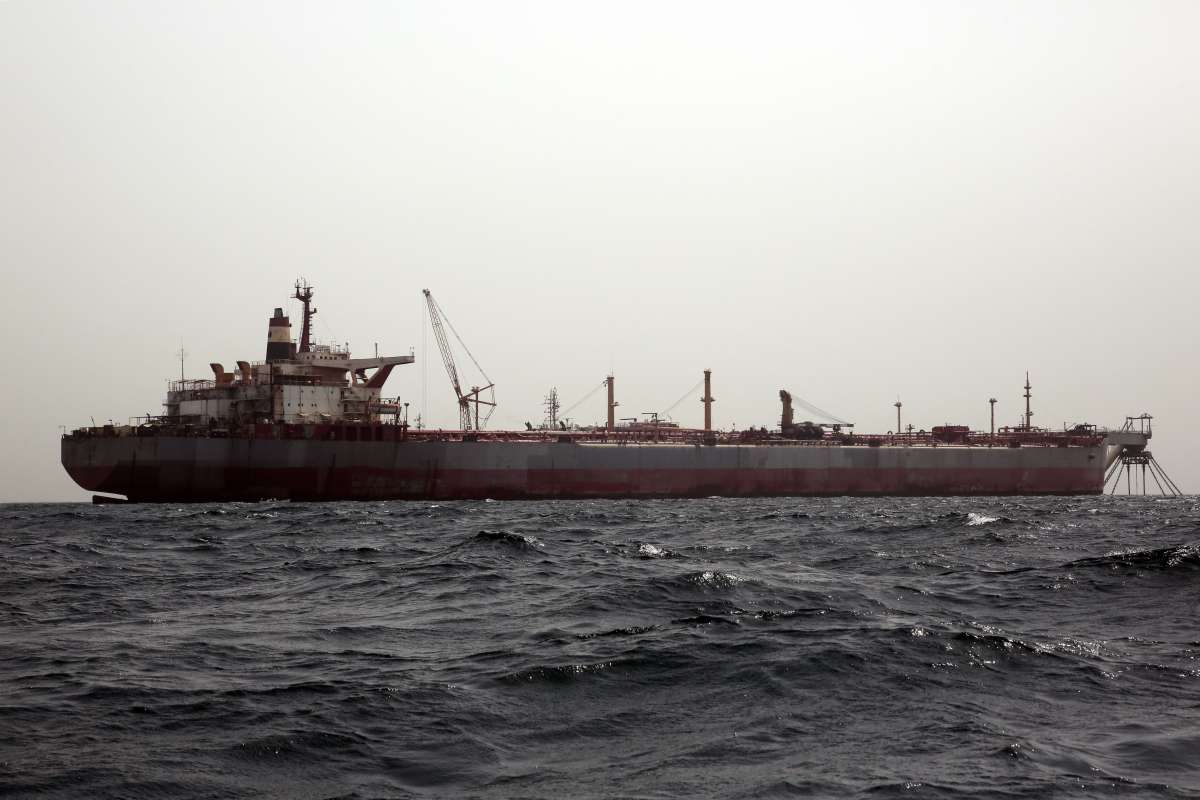
A Bahamas-flagged crude tanker anchored near Khor al Zubair Port in Iraq was struck by an Iranian remote-controlled explosive boat, while another tanker off Kuwait was damaged by a powerful blast that caused an oil spill.
At least nine vessels have been attacked since the war began last Saturday, according to initial maritime security assessments.
The escalating violence has severely disrupted shipping through the Strait of Hormuz, a vital route for nearly one-fifth of global oil and liquefied natural gas supplies.
About 200 vessels, including oil, LNG and cargo ships, remain stranded off the coasts of major Gulf producers, while hundreds more wait outside the strait unable to access regional ports.
In response, Donald Trump offered United States Navy escorts and insurance support to help restore shipping flows, with insurers including Lloyd’s of London holding discussions with Washington on the proposal.
The conflict has also disrupted oil operations across the region. BP evacuated foreign staff from the Rumaila Oil Field in Iraq after drones landed inside the facility, while Iraq cut oil production by about 1.5 million barrels per day due to storage shortages and blocked tanker loading.
Refineries in Kuwait and Bahrain reduced or halted operations as the crisis spread across the Gulf energy network.
Energy markets reacted sharply to the escalating disruptions. Global benchmark Brent Crude rose about 3% on Thursday while West Texas Intermediate gained roughly 4%, extending a surge of more than 16% since the war began.
European gas prices also climbed about 3% on the day and nearly 60% for the week, as the shutdown of LNG production in Qatar tightened global supplies and raised concerns about winter storage in European Union countries.
Meanwhile, Vladimir Putin warned that Russia could halt gas deliveries to Europe amid soaring energy prices, while China urged refiners to pause new fuel export contracts in an effort to secure domestic supply as the Middle East conflict disrupts global energy markets.