
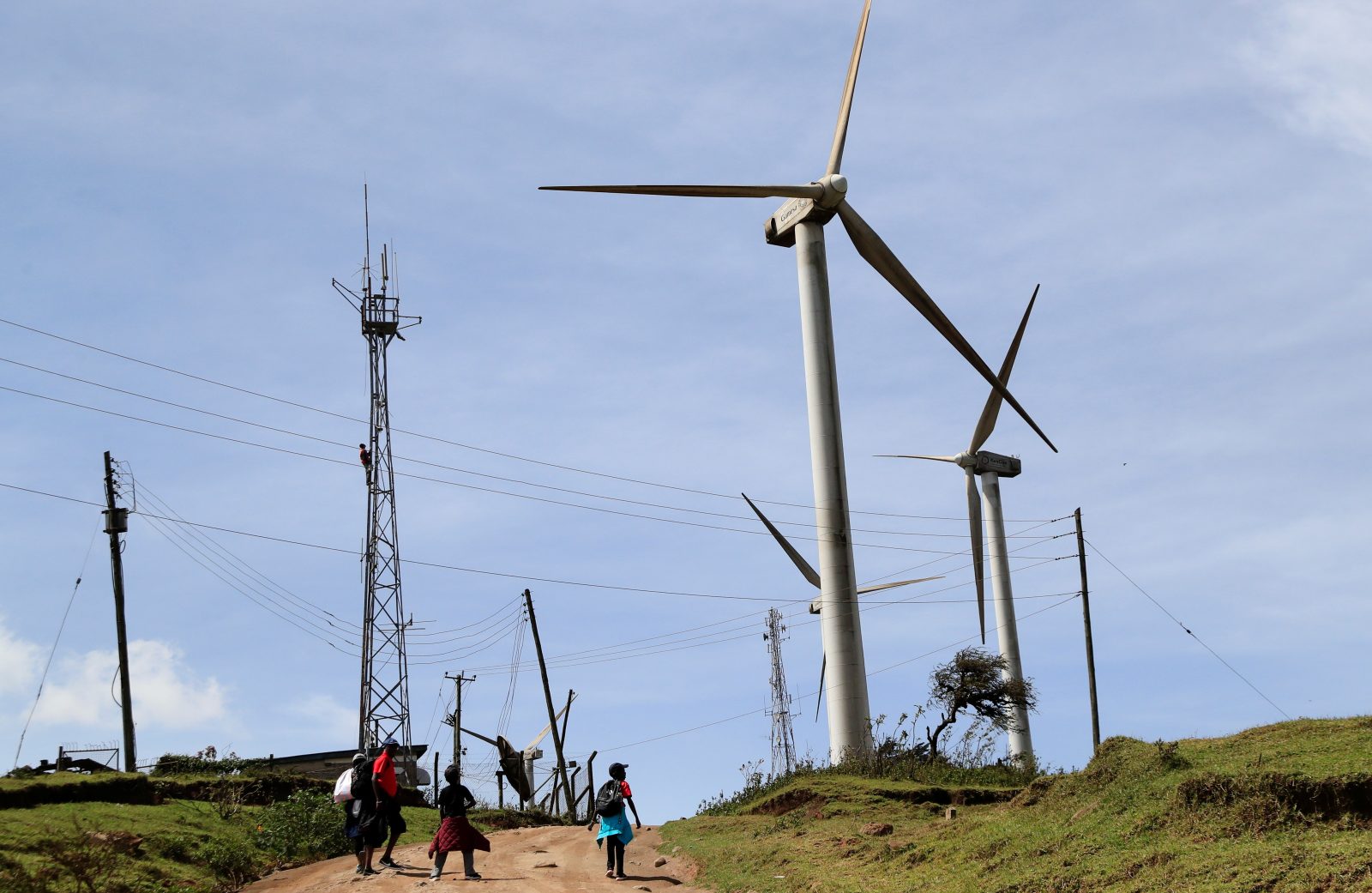

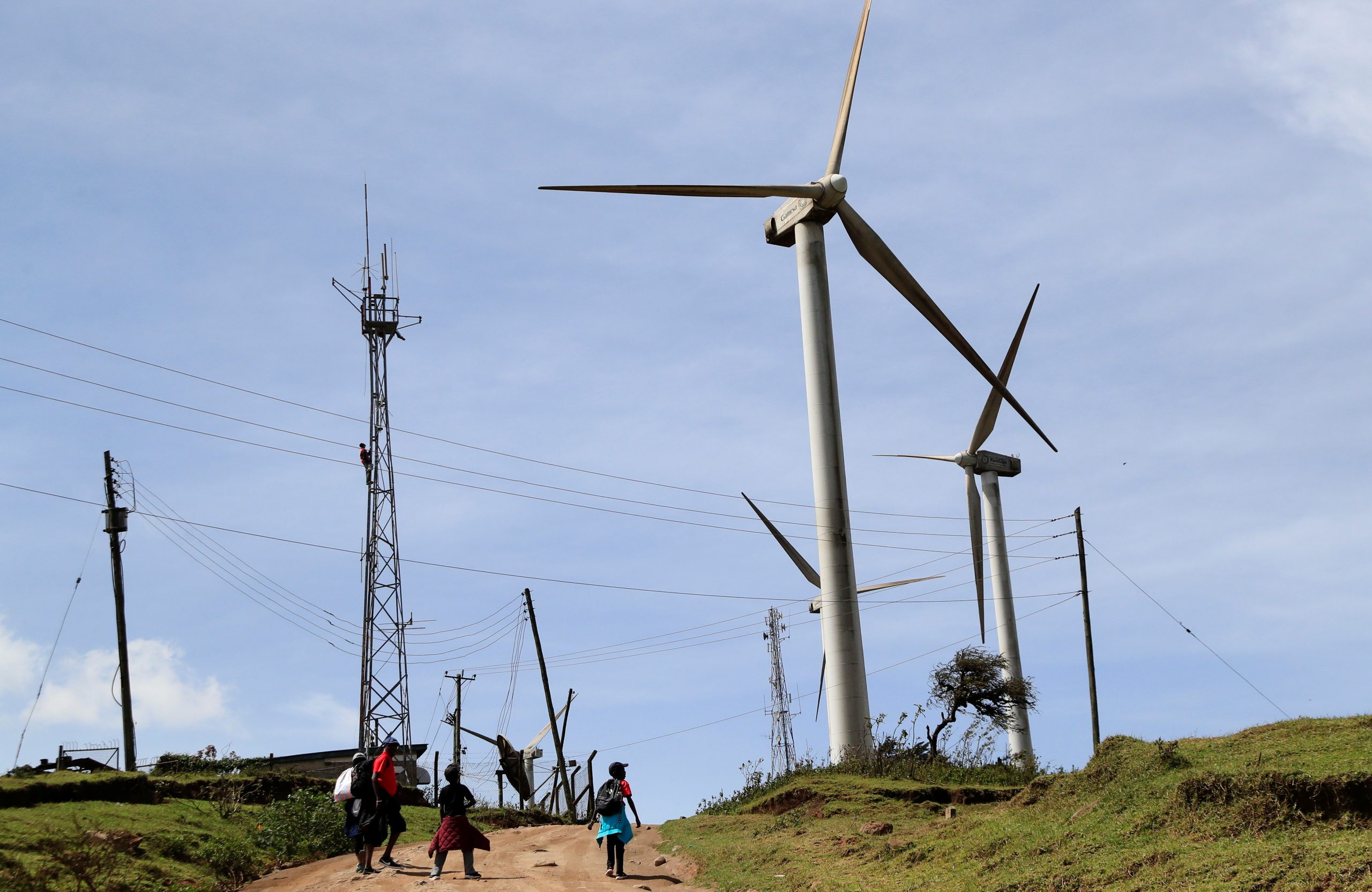
Kenya Power has raised concerns about the growing share of variable renewable energy (VRE) in Kenya’s electricity mix, warning that increased reliance on wind and solar generation could create challenges for grid stability.
According to the power distributor, VRE sources currently contribute 34% of the energy mix during peak daytime demand of 1,900 megawatts (MW) and about 36% when demand falls to 1,200 MW.
Kenya Power said fluctuations in wind and solar generation can expose the national grid to instability, particularly when output changes suddenly. Such variations require other power sources to be brought in to compensate for changes in renewable generation.
The company called for a carefully managed approach to integrating additional VRE capacity, noting that the intermittent nature of wind and solar can affect the reliability and quality of electricity supply by influencing grid frequency and voltage.
Kenya Power said the costs associated with maintaining grid stability should also be considered when planning new generation capacity, as additional generation may be required to compensate for fluctuations and prevent outages.
Joseph Siror, Managing Director and CEO of Kenya Power, said global benchmarks generally place the recommended share of VRE at about 15% of a grid’s total firm capacity.
He said Kenya’s VRE share has risen above 20%, partly due to the existing take-or-pay power purchase arrangements, requiring the utility to dispatch and pay for additional generators when renewable output fluctuates.
Kenya Power currently relies on additional generation plants to manage sudden changes in wind and solar output. According to Siror, the practice adds to the overall cost of electricity for consumers.
He said battery storage could help manage renewable energy fluctuations but noted that storage systems could also face challenges when renewable generation falls.
Siror argued that greater investment in geothermal and hydropower would provide more dependable generation and improve the grid’s ability to remain stable when intermittent renewable sources are unavailable.
Kenya Power said the country currently has the highest dependence on VRE in the Eastern Africa Power Pool, with Kenya at about 20%, compared with Egypt at 10.4%, Ethiopia at 5.3%, Uganda at 4% and Tanzania at 1.2%.
The company said geothermal, hydropower, electricity imports and thermal generation currently form Kenya’s baseload supply, collectively accounting for about 80% of the energy mix.
Kenya Power is therefore calling for increased investment in baseload generation, which it said would provide greater stability and reduce exposure to fluctuations in renewable output.
Projects expected to add new baseload capacity include KenGen’s Olkaria I (61 MW), Olkaria VII (80 MW), Globeleq Menengai (35 MW), Orpower’s Menengai project (35 MW), 200 MW of electricity imports from Ethiopia, GDC’s Paka Silali geothermal project (100 MW) and Nabuyole (28 MW).
The planned 1.5-metre increase in the level of the Masinga Dam is also expected to raise annual electricity generation by about 83 gigawatt-hours (GWh).
Other projects in the pipeline include a proposed 300 MW liquefied natural gas (LNG) power plant, the 700 MW High Grand Falls project and the 90 MW Karura Falls project, which are expected to further strengthen Kenya’s baseload generation capacity.