

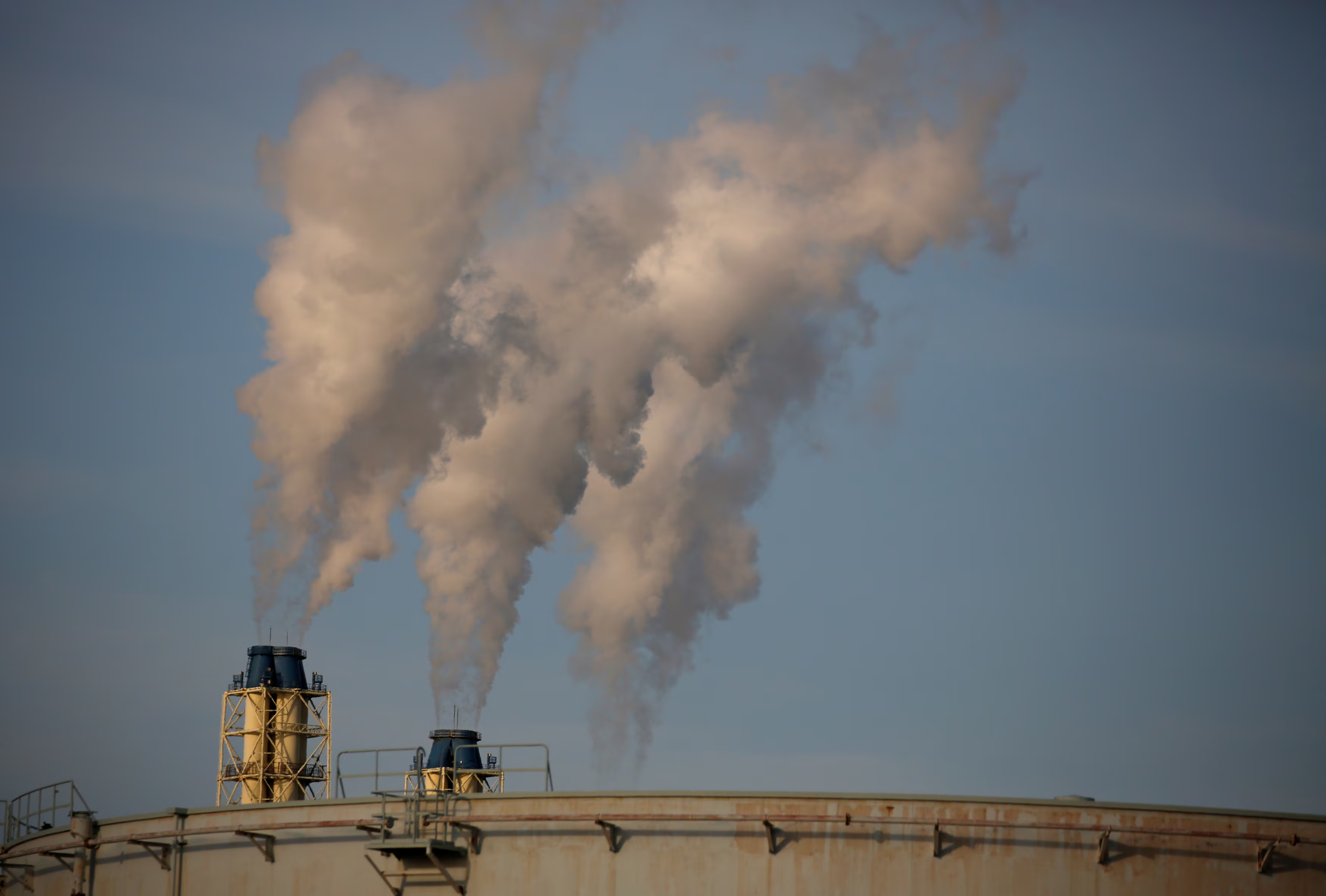
Major Japanese oil refiners, including Eneos Holdings and Idemitsu Kosan, are reducing their investments in decarbonisation projects such as hydrogen and ammonia, citing rising costs and global energy uncertainties.
This shift comes amid a broader global trend where energy companies are pulling back from climate-focused strategies in favor of more profitable oil and gas ventures, driven by surging fossil fuel prices.
Eneos, Japan’s largest refiner, announced this week it has dropped its previous target of supplying 4 million metric tons of hydrogen by 2040, instead prioritizing liquefied natural gas and traditional fuels in its 2025–2028 business plan.
CEO Tomohide Miyata explained that the path toward a carbon-neutral society is slowing, and the anticipated energy transition by 2030 may now be delayed.
Idemitsu Kosan, the country’s second-largest refiner, also scaled down its green investment budget from ¥1 trillion to ¥800 billion for 2023–2030, citing the need for a more “flexible approach” to carbon neutrality by 2050.
Company leaders blame high inflation, global policy volatility—particularly from the U.S.—and low return-on-investment risks for backing off decarbonisation efforts.
Japan’s refiners join global players like BP and Equinor in deprioritizing renewables, reflecting a strategic industry pivot from “energy transition” to “energy additions.”
At a March energy summit in Houston, industry executives from both fossil fuel and renewable sectors echoed this sentiment, emphasizing energy security over aggressive green shifts.
While Japan had been at the forefront of Asia’s hydrogen ambitions, these announcements mark a clear retreat from earlier climate goals.
The move underscores growing tension between environmental aspirations and financial realities in the global energy sector.