

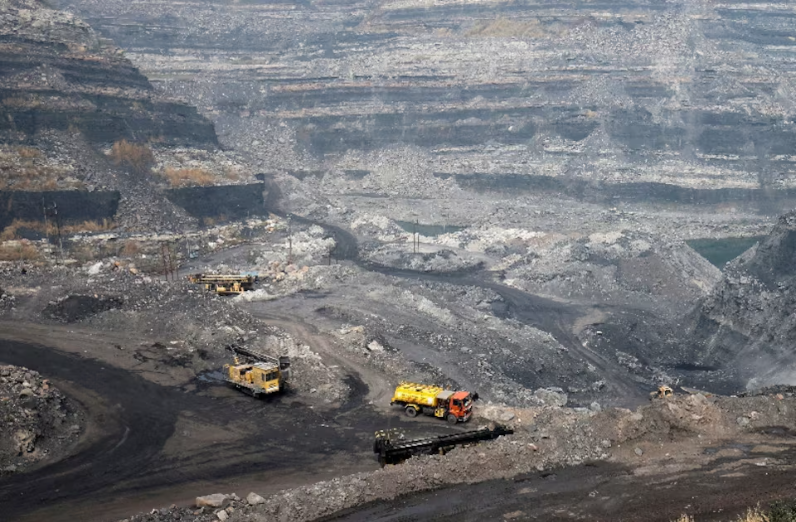
Nearly a third of India’s coal-fired power plants are operating with critically low fuel stocks, raising concerns over the country’s ability to meet strong electricity demand during an extended period of hot weather.
Data from the Central Electricity Authority showed that the number of power plants with coal stocks below 25% of required inventory, or enough fuel to generate electricity for fewer than three days, rose to 59 as of September 9, from 45 at the end of August.
India’s peak power demand has remained close to the record 270.70 gigawatts (GW) reached in May, with demand averaging around 267 GW in recent days as high temperatures increase the use of air conditioners and other cooling equipment.
Analysts said the pressure on coal-fired generation is being compounded by an El Nino weather pattern, which has contributed to hotter conditions and sustained electricity consumption across the country.
While renewable energy, particularly solar power, is supplying a significant share of daytime electricity demand, limited battery storage capacity and lower water levels in reservoirs are restricting the availability of other power sources.
Manoj Kumar, an analyst at the Centre for Research on Energy and Clean Air, described the growing number of plants with low coal stocks as a concern and said immediate action was needed to prevent supply disruptions.
He said India should increase coal deliveries to power utilities through the rail network to restore stocks to normal levels and ensure plants have enough fuel to maintain generation.
The government has already increased the movement of coal by rail, with 444 trains, or rakes, deployed on September 6, compared with 370 on September 3, according to the data.
Coal India, the world’s largest coal producer, and its subsidiaries have also increased coal shipments by road as authorities seek to improve supplies to power plants.
Despite the shortages at some generating stations, Coal India said it continues to hold about 76 million metric tons of coal at its mine sites, suggesting that the immediate challenge is moving sufficient supplies to power plants where demand is highest.