
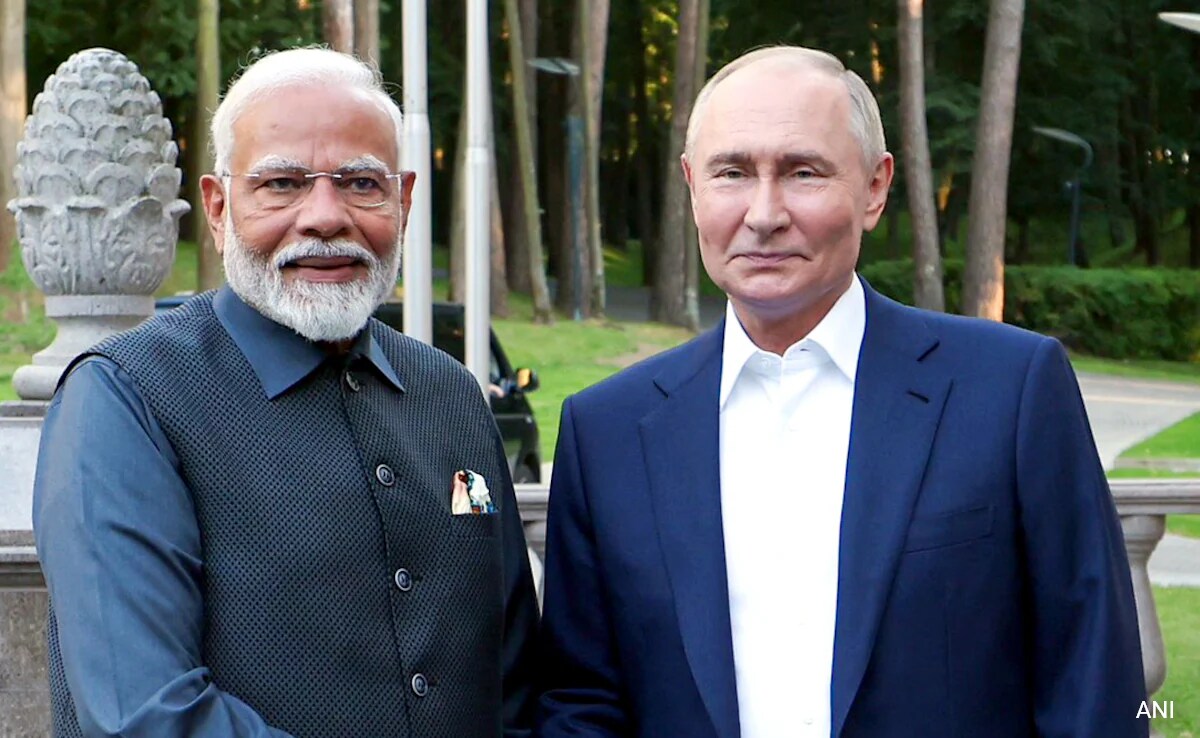

India is moving to rebuild energy ties with Russia just months after scaling back imports under pressure from U.S. President Donald Trump, highlighting a rapid shift in New Delhi’s foreign policy priorities amid global instability.
In January, Indian officials reduced purchases of discounted Russian crude during negotiations with Washington over tariffs, a move widely seen as a concession to the United States.
However, by mid-March, India and Russia had reached a verbal understanding in New Delhi to explore resuming direct liquefied natural gas (LNG) supplies, following talks between Energy Minister Hardeep Singh Puri and Russian Deputy Energy Minister Pavel Sorokin.
The renewed engagement comes after the February 28 U.S.-Israeli strikes on Iran disrupted shipping routes through the Strait of Hormuz, triggering sharp increases in global energy prices and threatening India’s fuel security.
Faced with supply risks given that nearly half of its oil and gas imports pass through the Gulf—India has begun reassessing its energy strategy and diversifying supply sources.
Officials and sources indicate that Russian crude imports could rise to around 40% of India’s total within weeks, reversing earlier declines and reinforcing Moscow’s role as a key supplier.
India is also seeking a possible sanctions waiver from Washington to facilitate renewed LNG imports, as policymakers warn of inflation, currency pressure, and slower export growth if disruptions persist.
The shift underscores Russia’s growing leverage, with any new LNG deal expected to come on less favourable terms compared to previous agreements signed before the Ukraine conflict.
Beyond energy, Moscow is pushing for broader cooperation, including in power transmission infrastructure and aviation links, signalling a deeper strategic alignment.
The developments reflect India’s long-standing balancing act between Western partners and its historic ties with Russia, as it prioritises energy security and economic stability in a volatile geopolitical climate.