

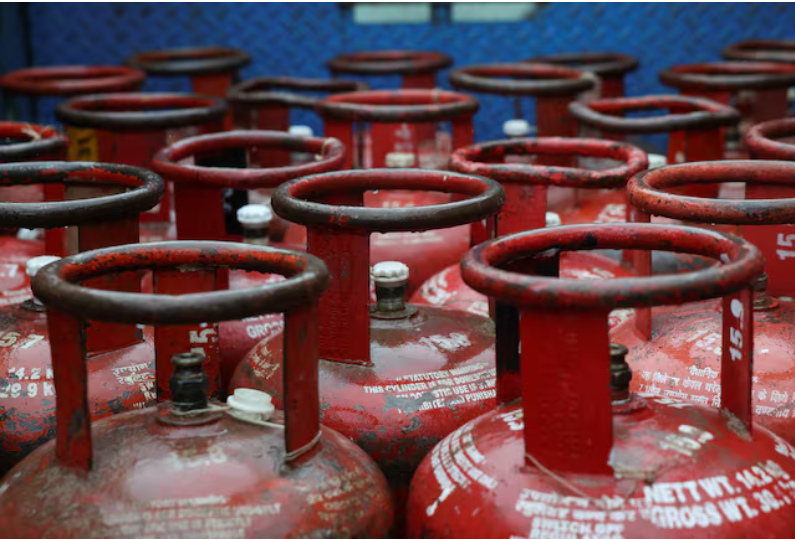
India has directed state-run fuel retailers to expand liquefied petroleum gas (LPG) storage capacity to cover up to 30 days of national demand, a senior oil ministry official said on Friday, as the country moves to strengthen energy security amid rising consumption and global supply uncertainties.
Sujata Sharma, joint secretary at India’s federal oil ministry, said the government was also working to increase crude oil storage capacity as part of broader efforts to safeguard supplies in the world’s third-largest oil importer and consumer.
The directive comes as India faces growing energy demand driven by population growth, urbanisation and industrial expansion, while remaining heavily dependent on imported fuel supplies.
Expanding LPG reserves is expected to help the country manage potential supply disruptions and improve distribution efficiency, particularly during periods of high demand or geopolitical volatility affecting global energy markets.
India has steadily increased the use of LPG in households over the past decade through government-backed clean cooking fuel programmes aimed at reducing dependence on traditional biomass fuels.
The country is also accelerating efforts to build strategic petroleum reserves to cushion against sudden spikes in crude prices and disruptions in international supply chains.
Officials did not disclose a timeline or investment details for the proposed storage expansion, but the move signals New Delhi’s focus on strengthening long-term energy resilience.
India imports more than 80% of its crude oil needs, making energy security a key priority for policymakers amid persistent global market instability.
The planned storage expansion is expected to involve major state-controlled fuel retailers, including Indian Oil Corp, Bharat Petroleum Corp and Hindustan Petroleum Corp.
The government’s push for larger fuel reserves comes at a time when countries across Asia are reassessing energy preparedness following recent tensions in key oil-producing regions.