

Global energy demand increased by 2% in 2024, reaffirming the central role of oil and gas in the world’s energy mix despite unprecedented growth in renewable energy, according to Eni’s 24th World Energy Review. The annual report provides a comprehensive analysis of global consumption patterns amid ongoing economic shifts and geopolitical uncertainties.
The review shows that oil demand reached 102.8 million barrels per day—an increase of 0.8 million barrels from 2023—driven primarily by rising consumption in China, India, Latin America, and the Middle East. Brent crude averaged $80.8 per barrel for the year, marking a slight 2% decline due to expectations of increased OPEC+ supply and global economic headwinds.
Natural gas markets also saw notable fluctuations. Prices fell by 14% year-on-year, influenced by mild weather and strong inventories early in 2024, before rebounding later in the year as Asian demand strengthened. Global gas consumption grew 3%, led again by China, while Europe’s usage remained steady.
Liquefied Natural Gas (LNG) trade capacity continued its steady climb, with liquefaction up 1.4% and regasification expanding 4%, supported by new projects in Indonesia, China, and Europe. These developments reinforce the continued investment in natural gas as a transitional fuel in the global energy mix.
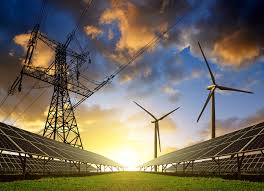
Meanwhile, renewable energy capacity achieved a record high, reaching nearly 3,000 gigawatts of installed solar and wind power—equivalent to 15% of total electricity generation. However, traditional energy sources still provided about 60% of global power, underscoring the persistent dominance of fossil fuels.
Biofuel production rose by 7%, led by the United States and Indonesia, while output of critical minerals essential for the energy transition grew 5.5%, including a 21% surge in cobalt production. Despite these clean energy advances, global carbon dioxide emissions climbed 0.8%, driven by industrial growth in emerging economies, though advanced nations continued to see gradual declines.
Eni’s report highlights the structural inertia within the global energy system—where fossil fuels remain entrenched despite accelerating renewable deployment and policy efforts toward decarbonization. As one of the industry’s leading statistical reviews, the publication provides vital insights into the evolving balance between traditional and clean energy sources shaping the world’s energy future.