

Ghana is preparing new regulations that will require developers to incorporate energy-efficient features into new buildings before receiving construction permits, as part of efforts to reduce electricity consumption and improve energy efficiency.
The proposed framework, being developed by the Energy Commission, is intended to lower electricity demand by making energy efficiency a key requirement in the building approval process.
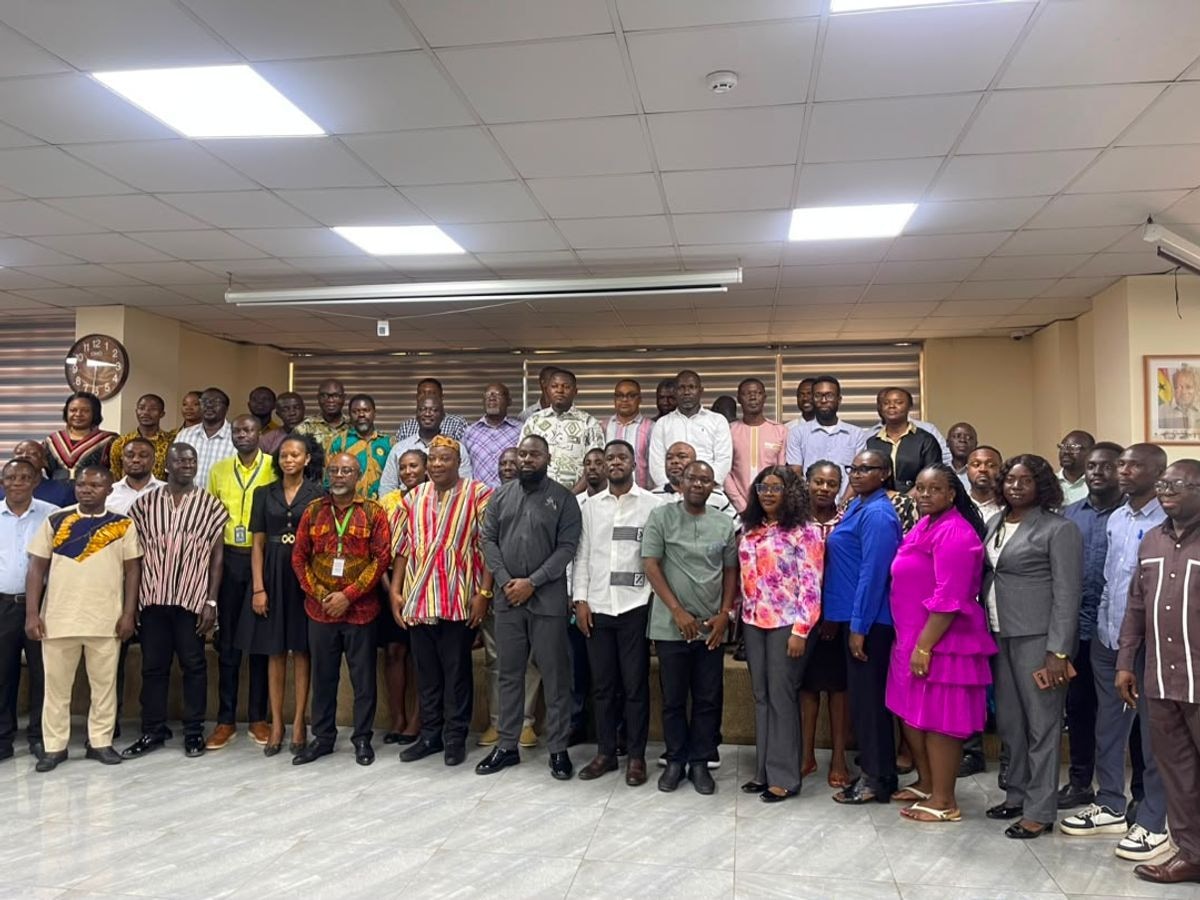
To support implementation, the Commission has begun training officials from Metropolitan, Municipal and District Assemblies (MMDAs), particularly personnel from physical planning and works departments. The first phase of the nationwide capacity-building programme has been completed in the Greater Accra Region.
Speaking at the closing stakeholder engagement in Accra, Deputy Executive Secretary of the Energy Commission, Chris Nanabanyin Yalley, said improving energy efficiency has become a critical national priority.
He noted that heating, ventilation and air-conditioning (HVAC) systems account for approximately 50% of electricity consumption in air-conditioned buildings, underscoring the need for more efficient building designs.
Mr. Yalley explained that the Commission’s Building Energy Efficiency Guidelines provide three compliance options prescriptive, performance-based and certification-based to give developers flexibility in meeting the proposed standards.
He added that amendments have been proposed to the Local Government Service Operational Manual to incorporate energy efficiency requirements into the building permit approval process used by MMDAs.
According to Yalley, the training programme, implemented with support from the United Nations Environment Programme (UNEP) and the Ministry of Local Government, Chieftaincy and Religious Affairs, has equipped physical planners, engineers, building inspectors and environmental health officers to champion energy-efficient practices within their respective assemblies.
He said the Energy Commission would continue providing technical assistance while working with partner institutions to roll out the reforms nationwide, adding that the measures have the potential to reduce energy consumption in buildings by about 20% over the next five years.
Mr. Ebenezer Kyere, an officer with the Commission’s Energy Efficiency Regulations Unit, said the proposed regulations are designed to encourage energy-conscious building designs while strengthening compliance through the existing building permit system.
In remarks delivered on her behalf, Greater Accra Regional Minister, Hon. Linda Ocloo observed that the region accounts for a substantial share of Ghana’s electricity demand because of its concentration of residential, commercial and public infrastructure.
She said the region’s continued growth makes it essential to adopt policies that promote sustainable and energy-efficient development.
Hon. Ocloo described the Commission’s plan to integrate energy efficiency into the building approval process as a practical step toward making energy-saving measures a standard feature of planning, design and construction.
She urged planners, architects, engineers, building inspectors and other professionals in the built environment to prioritise energy-efficient designs and technologies that reduce electricity use while improving comfort, operational efficiency and long-term cost savings.
The Regional Minister also reaffirmed the Greater Accra Regional Coordinating Council’s commitment to supporting MMDAs that actively implement energy-efficient building practices.