
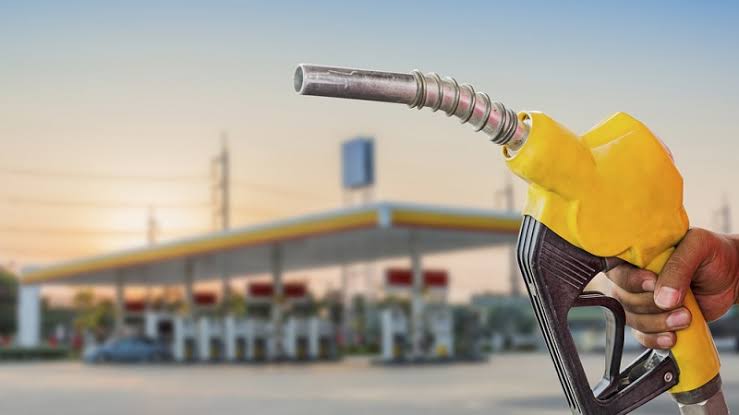
In Nigeria, the introduction of a five percent fuel surcharge, effective January 1, 2026, is raising concerns as citizens grapple with ongoing economic hardships. Following the removal of the petrol subsidy on May 29, 2023, and the devaluation of the naira, many Nigerians are already facing severe financial strain. This new tax, aimed at increasing government revenue, is seen as an unjust burden that will exacerbate existing challenges.
The surcharge is expected to drive up prices across essential services, including medical care, education, and transportation, further straining household budgets. While the government claims that the surcharge will yield a N796 billion windfall, critics argue that it undermines recent tax reforms designed to ease financial pressures on citizens.
Despite an increase in monthly allocations to states, the funds have not alleviated widespread suffering, leading many to question the administration’s commitment to fiscal responsibility. Calls for accountability and improved oil production have gone unheeded, with the government still pursuing loans despite claiming savings from subsidy removal.
The proposed surcharge detracts from the administration’s promise of “Renewed Hope,” instead fostering discontent among the populace. To truly support its citizens, the government should reconsider the surcharge, focusing on policies that promote social justice and economic diversification rather than further impoverishing ordinary Nigerians.