
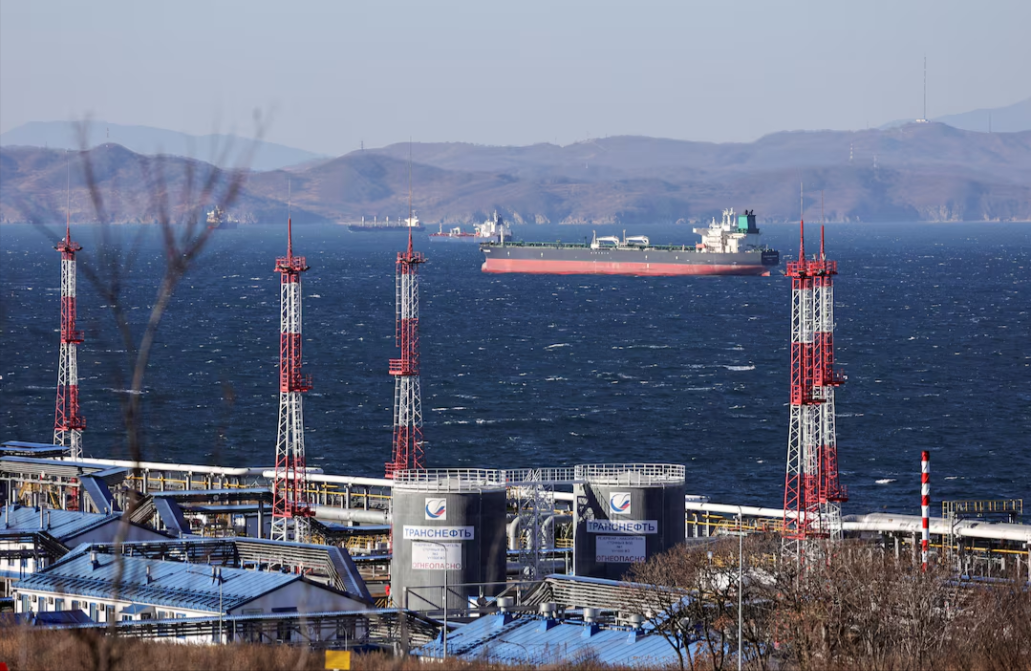

Hungary and Slovakia on Monday turned to Croatia for emergency help in moving Russian oil after flows through Ukraine were halted following damage to the Druzhba pipeline, a key artery supplying Central and Eastern Europe.
The disruption stems from a Russian strike on January 27 that Ukrainian officials said set parts of the Druzhba infrastructure ablaze, temporarily cutting deliveries and leaving downstream countries scrambling to secure alternative routes.
Hungarian Foreign Minister Péter Szijjártó rejected Kyiv’s account, accusing Ukraine of deliberately keeping the pipeline shut for political reasons and said he and Slovak Economy Minister Denisa Saková had formally asked Zagreb to allow shipments via Croatia’s Adria pipeline.
Under European Union sanctions exemptions, Hungary and Slovakia are allowed to import Russian crude by sea if pipeline deliveries are disrupted, a provision Szijjártó said should now be activated to protect their energy security.
Croatia signalled it was ready to help, with Economy Minister Ante Šušnjar saying the country would not let Central Europe’s fuel supplies be endangered and that any assistance would comply with EU law and U.S. sanctions rules.
Ukraine’s government and state energy firm Naftogaz did not immediately respond to the accusations, leaving competing narratives over responsibility for the stoppage unresolved.
The episode highlights the region’s continued dependence on Russian energy, with both Hungary and Slovakia resisting EU efforts to fully cut off imports that help fund Moscow’s war in Ukraine.
Hungarian Prime Minister Viktor Orbán, who has kept close ties with the Kremlin and opposes Ukraine’s EU bid, has also recently strengthened relations with U.S. President Donald Trump.
In a sign of the issue’s geopolitical weight, U.S. Secretary of State Marco Rubio was due to meet Orbán on Monday after holding energy talks in Slovakia with Prime Minister Robert Fico and President Peter Pellegrini.
Russia’s Kremlin backed Fico’s claim that Ukraine was using the pipeline stoppage to pressure Hungary over its stance on Kyiv’s future EU membership, underscoring how energy flows have become a bargaining chip in Europe’s wider political standoff.