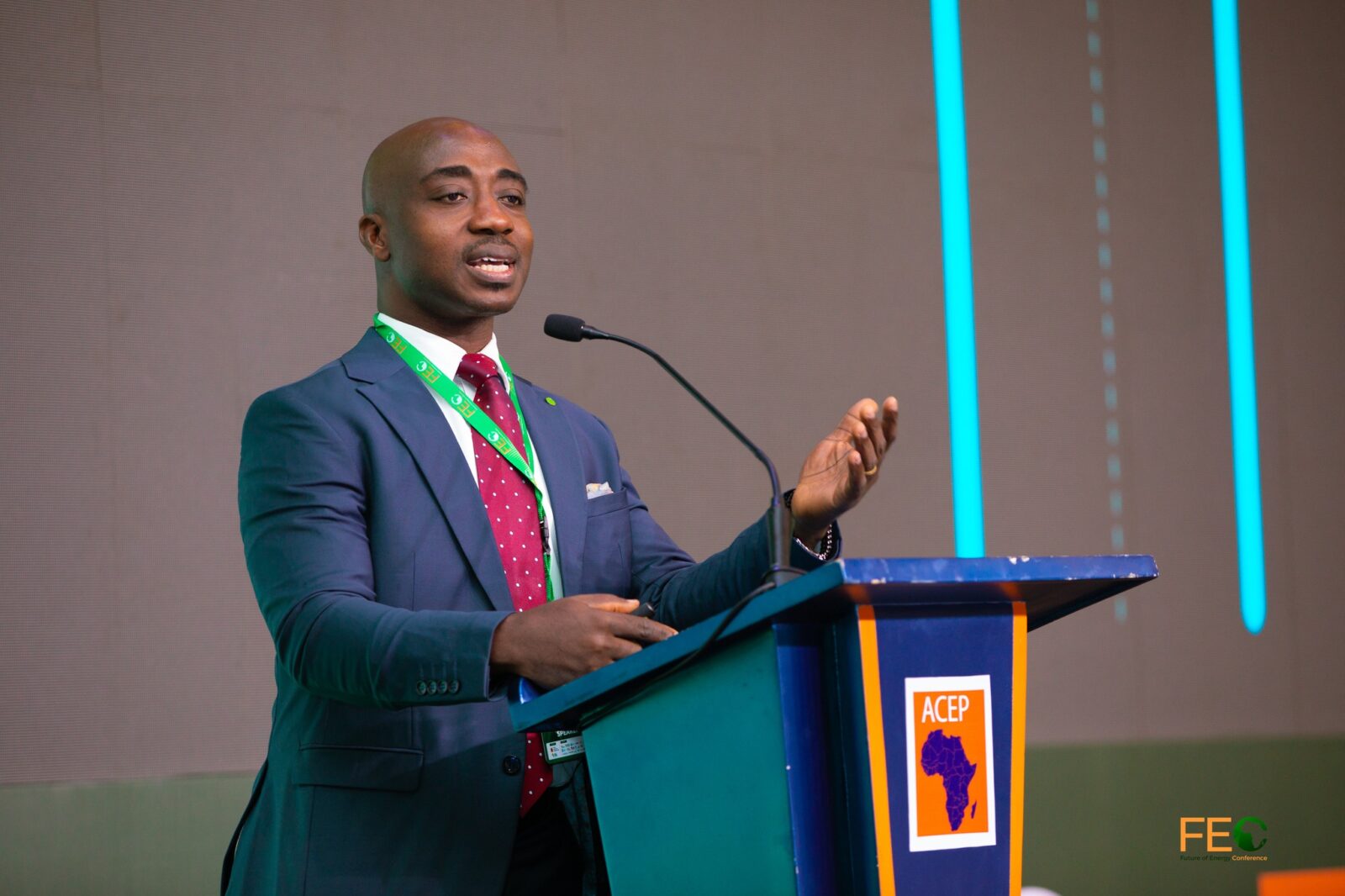

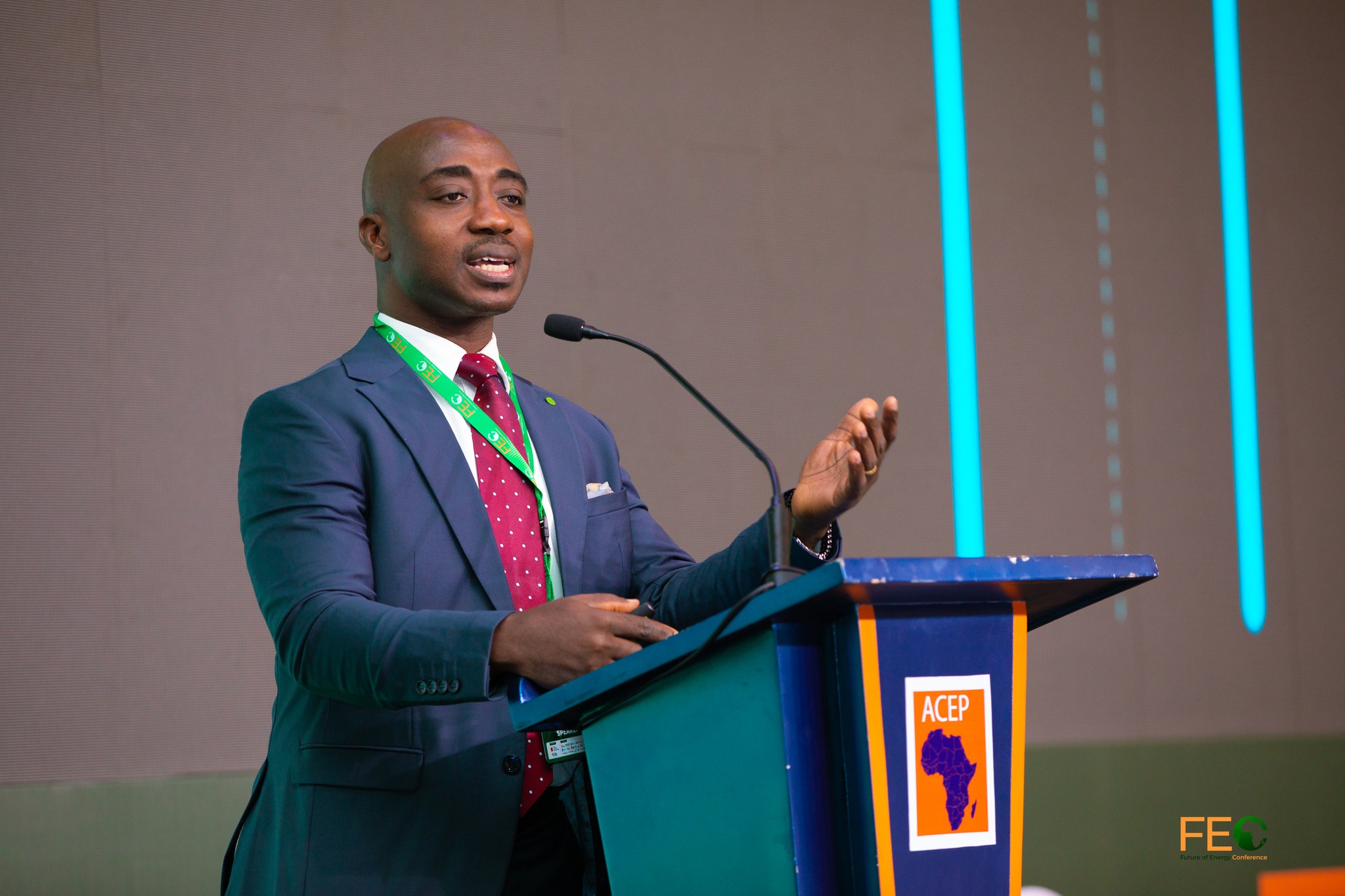
Speaking at the Future of Energy Conference, Mr. Yaw Appiah Lartey, Partner and Africa Head for Infrastructure, Capital Projects and Economic Advisory at Deloitte, tackled a critical question for Africa’s development: how can clean energy projects be made bankable in markets often defined by high risk?
Globally, investment in the energy sector has grown significantly, moving from about $2.4 billion in 2010 to $3.1 billion in 2024. To reach global net-zero targets by 2030, an estimated $4 trillion a year will be required. But while the scale of financing is massive, the real challenge lies in how much of that investment will flow into Africa, a continent that urgently needs reliable energy but is perceived as risky terrain for investors.
What Bankability Really Means
Mr. Lartey noted that bankability is not jargon but the lifeline of successful projects. A project is bankable when it is both financially viable and risks are clearly mitigated. This requires a foundation of strong revenue models, credible offtake agreements such as power purchase deals with reliable buyers, and compliance with regulatory and environmental requirements. Just as important are feasibility studies, technical, financial, and legal requirements that ensure the project is not only sound on paper but workable in practice. Without these elements, even the most visionary energy ideas struggle to secure financing.
The Weight of Africa’s Financing Challenges
Africa’s financing hurdles are well-known but worth confronting. High upfront costs weigh heavily on project developers, while policy uncertainty and inconsistent tax regimes add layers of unpredictability. Exchange rate fluctuations can also undermine stability. As Mr. Lartey pointed out, even an appreciating local currency can be problematic, as exporters earning in foreign exchange see their revenues shrink when converted, while local costs remain fixed.
Many African countries are already debt-distressed or at high risk of default, which constrains governments from providing deep financial commitments beyond land, permits, or regulatory support. On top of that, weak community engagement and poor budget allocations often mean projects lack the trust and resources needed to move forward.
What Investors Want to See
To make projects bankable in such an environment, developers must follow a disciplined approach. Investors want to see credible financial models, secured sources of inputs at predictable costs, and clear evidence of market demand for the product or service. They want experienced contractors and operators who can demonstrate a track record of delivery, not first-time players experimenting on large-scale projects. Contracts must be enforceable, infrastructure must be available, and the overall structure of the project must inspire confidence that risks have been properly anticipated and allocated. Without these assurances, investors will simply walk away.
From Vision to Reality: Steps in the Journey
The path from idea to investment is rarely straightforward. It involves defining and validating revenue streams, structuring robust business models, building strong partnerships with public authorities and private stakeholders, securing all necessary permits and compliance certifications, and preparing bankable documentation that can stand up to scrutiny by equity providers and lenders. Even then, patience is essential: in Africa, some projects linger for decades without closure because they are not structured properly from the outset.
Unlocking Finance Through Innovation
Innovative financing solutions have become essential in navigating these challenges. Public-Private Partnerships, when transparently structured, can unlock opportunities. Blended finance, where concessional funds are used to attract private capital, is emerging as a game-changer, with the energy sector already one of its main beneficiaries globally. Development finance institutions, climate funds, diaspora investments and green private funds all represent potential sources of capital.
Recent examples, such as Zambia’s solar programme, show that when competitive, transparent processes are applied, even high-risk markets can attract global investors and achieve record-low tariffs.
A Balanced Path Forward
For Africa, the way forward requires a careful balance. As the UN has warned, the global march toward net zero must not trample on the poor. The continent cannot afford to abandon its current energy needs in the name of climate targets, but it also cannot afford to be left behind in the transition to sustainable energy. What is needed is a strategy that blends innovation with risk mitigation, strengthens local skills and capacity, and aligns projects with both investor expectations and African realities.
Conclusion: Bankability as the Bridge
In closing, Mr. Lartey emphasized that turning ideas into investments is only possible when projects are well-structured, de-risked and firmly grounded in context. For Africa, bankability is the bridge between aspiration and achievement. With the right mix of discipline, innovation and partnership, clean energy can become not only a dream but a transformative driver of growth and prosperity.