

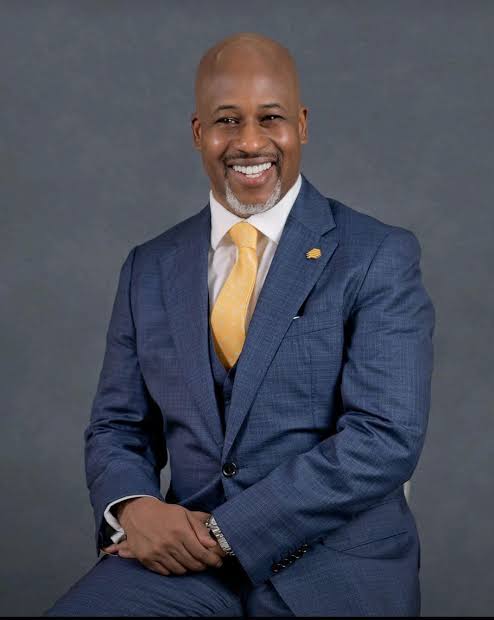
Africa needs to develop capable and internationally competitive indigenous energy companies if the continent is to accelerate economic growth and strengthen its position in the global energy market, Ashgrove Group Chief Executive Mahmud Tukur has said.
Speaking at a panel discussion during Africa Oil Week titled “The Future of the African Operator: Building the IOCs of Tomorrow,” Tukur said Africa would struggle to achieve lasting value from its energy resources if it continued to rely heavily on foreign financing and expertise.
He urged governments, investors and industry stakeholders to create the conditions for African companies to access the financing, technical knowledge and governance systems required to undertake complex upstream developments.
“The continent can only compete internationally by deliberately building strong indigenous operators that can grow into internationally competitive companies,” Tukur said.
Tukur said local energy firms would need to strengthen their financial capacity, governance and technological capabilities while embracing innovation and digitalisation to meet global industry standards and compete for major projects.
He also identified human capital as a key requirement for developing successful indigenous operators. Leadership development, professional skills training and greater inclusion of women, he said, would help African companies build the workforce required to execute large-scale energy projects.
According to Tukur, expanding the capacity of indigenous operators is part of a broader effort to strengthen Africa’s energy sovereignty. Stronger local companies, he said, would be better positioned to attract capital, support industrial development and ensure that more of the economic value generated from Africa’s energy resources remains on the continent.
He further noted that stronger balance sheets and improved corporate governance could enable African firms to secure a larger portion of upstream and midstream contracts.
This, he said, could eventually lead to changes in the structure of energy deals and the way project risks are shared among participating companies.
Tukur stressed that developing technical skills and improving diversity within the energy workforce would also be critical. He particularly highlighted the need to increase women’s participation as African operators seek to improve their capacity to deliver major projects.
Technology and digital solutions, he added, would be increasingly important for companies seeking to distinguish themselves in a competitive energy market. He cited the use of digital tools and innovative business approaches as areas where emerging African operators could gain an advantage.
Tukur called for governments and industry stakeholders to strengthen policies, establish clearer local-content frameworks and expand capacity-building initiatives.
He also advocated strategic public-private partnerships across the energy value chain, saying these measures would help accelerate the growth of homegrown companies capable of developing into internationally competitive oil and gas operators.