

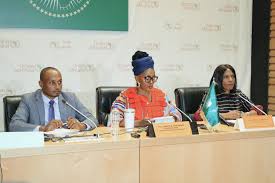
Africa continues to face a significant energy deficit despite its vast resource potential, according to African Union Commissioner for Infrastructure, Lerato Mataboge. Speaking at the Africa Energy Indaba 2026 in Cape Town, she emphasised that reliable energy remains the foundation for economic growth and industrialisation across the continent. Without it, she warned, Africa’s ability to transform its economies and create opportunities for its growing youth population will remain constrained.
Mataboge noted that Africa currently has about 245 gigawatts of installed power generation capacity, a figure lower than that of some individual developed countries. Electricity consumption across the continent averages around 600 kilowatt-hours per person annually, roughly five times lower than the global average. Yet Africa is richly endowed with energy resources, including hydropower, geothermal, solar, wind, natural gas and oil, many of which remain largely untapped.
To address this gap, the AU is advancing several continental initiatives under Agenda 2063, including the Single African Electricity Market, which aims to integrate Africa’s fragmented electricity systems and link regional power pools into what could become the world’s largest electricity market. However, Mataboge cautioned that the pace of investment remains far below what is required, noting that Africa must connect an additional 90 to 100 million people to electricity each year, requiring about $200 billion in investment by 2030, far above the current annual investment level of roughly $45 billion. She stressed that stronger cooperation, improved financing frameworks and greater domestic investment will be critical to powering Africa’s energy future and supporting industrial development.