

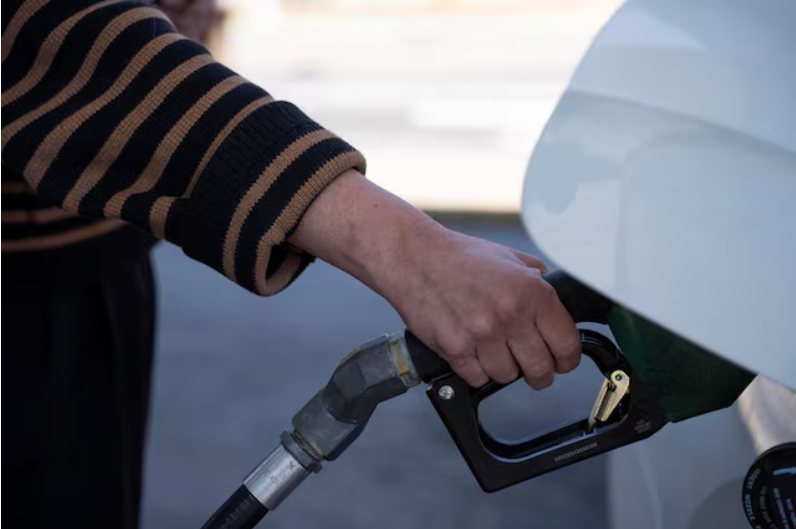
The White House is intensifying efforts to ease surging fuel costs as the prolonged Iran war drives gasoline prices above $4.50 per gallon across the United States. U.S. President Donald Trump’s administration is considering suspending the federal gas tax to provide immediate relief to consumers facing mounting economic pressure.
Officials familiar with internal discussions said the proposal, once viewed as unnecessary, has gained urgency as fuel prices climbed nearly 50% since the conflict began. The administration fears further increases could trigger widespread voter frustration ahead of November’s midterm elections.
The debate comes as inflation rose to 3.8% in April, its highest level in almost three years, while consumer sentiment dropped sharply amid concerns over household expenses. A recent Reuters/Ipsos poll showed more than 60% of Americans say higher fuel prices have negatively affected their finances.
The energy crisis worsened after Iran restricted access through the Strait of Hormuz, a key global shipping route that carries roughly one-fifth of the world’s oil supply. The disruption has tightened fuel markets worldwide and increased demand for U.S. oil and fuel exports.
White House officials are reportedly monitoring whether national gasoline prices could rise to $5 per gallon, a level already exceeded in seven U.S. states, according to AAA data. Analysts warn declining domestic inventories could further strain supplies during the peak summer travel season.
Trump defended the economic impact of the conflict, calling rising fuel prices a “small price to pay” for preventing Iran from obtaining a nuclear weapon. He said national security remains his administration’s top priority despite growing public concern over living costs.
To stabilize markets, the administration has already eased some sanctions on Russian oil, relaxed shipping rules and approved additional emergency oil releases from the U.S. strategic reserves. The Energy Department this week announced a loan of 53.3 million barrels from the national security stockpile.
Republican lawmakers remain divided over the proposed gas tax suspension, which would require congressional approval. Political strategists warn the administration has limited time to contain voter dissatisfaction before the summer driving season begins.