
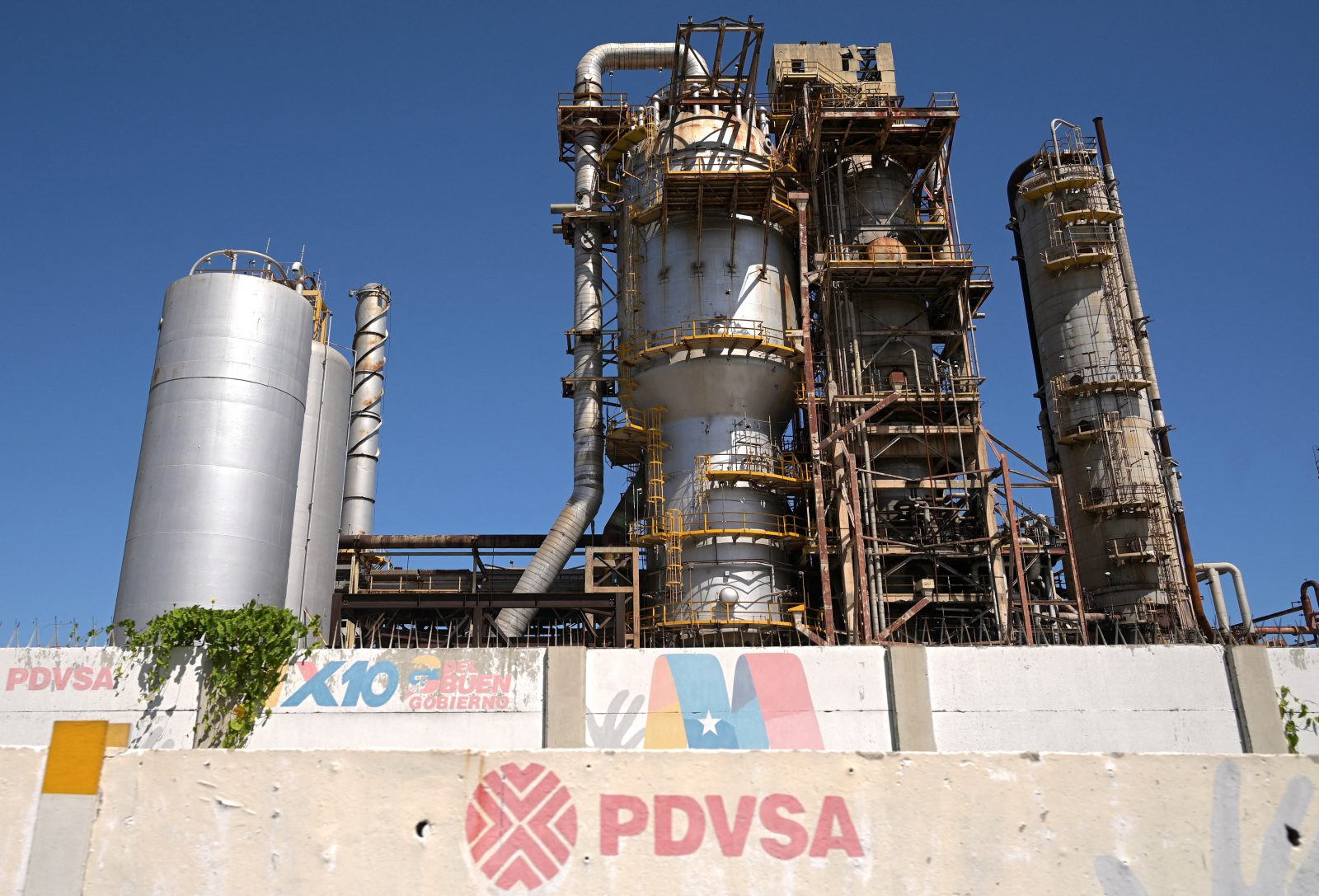

Venezuela’s National Assembly on Jan. 30 approved a partial reform of the Organic Law on Hydrocarbons, opening the country’s oil sector to greater foreign participation and loosening state control, lawmakers said.
The overhaul, backed by interim President Delcy Rodríguez, introduces a production-sharing model that allows private and foreign companies to operate under new contracts or joint ventures, manage production sales and control cash flows independently of state-owned Petróleos de Venezuela SA (PDVSA)
Under the changes, royalty rates are capped at around 30 per cent and income taxes for energy projects have been reduced, although a new hydrocarbon tax of up to 15 per cent on gross income has been introduced pending separate regulation.
The reforms aim to attract investment and technical expertise to revive Venezuela’s oil industry, which has suffered years of under-investment and output decline under heavy state control and international sanctions.
Acting President Rodríguez said the legislation would help unlock the country’s vast oil reserves and stimulate economic recovery by creating more investor-friendly conditions.
In a related move, the United States on Jan. 29 eased some sanctions on Venezuela’s oil industry, issuing a broad licence that permits U.S. firms to buy, sell, transport, store and refine Venezuelan crude.
The U.S. sanctions relief stops short of lifting restrictions on oil production but is designed to facilitate trade and broaden U.S. energy firms’ involvement in Venezuelan crude markets.
U.S. authorisations exclude companies and individuals from China, Russia, Iran, North Korea and Cuba, reflecting geopolitical priorities in reshaping oil trade dynamics.
Venezuelan officials and investors say the combined legal and sanctions shifts could boost exports and revenues, though critics warn that legal and political uncertainties may still deter major investment.
The developments mark a significant policy shift for an industry long dominated by PDVSA and constrained by international sanctions, with officials pitching the reforms as essential to reviving Venezuela’s oil-dependent economy.