

The administration of U.S. President Donald Trump is facing growing political and economic pressure as fuel prices continue to rise following the conflict involving Iran, according to a Reuters report citing sources familiar with White House discussions.
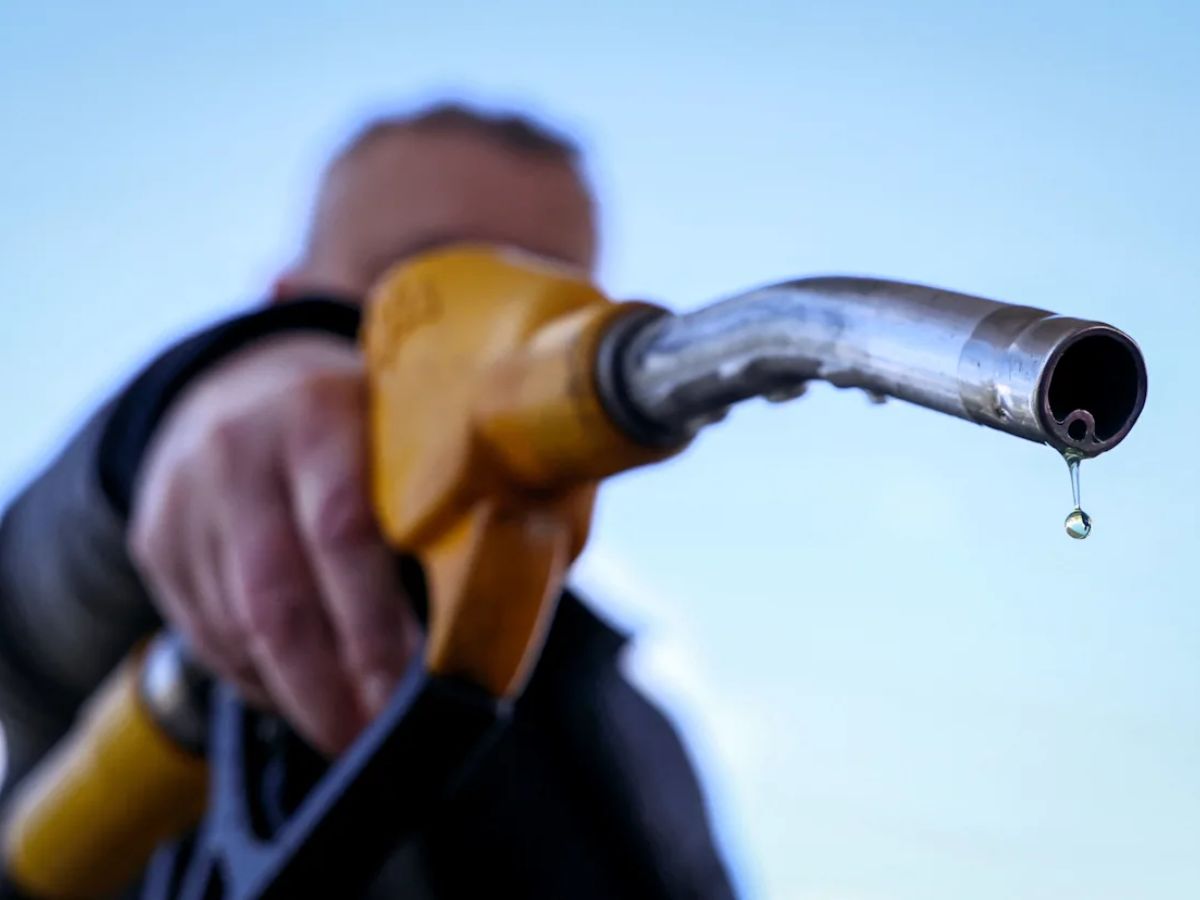
To ease the burden on consumers, President Trump has supported a proposal to suspend the federal gasoline tax, a move that could reduce fuel prices by 18 cents per gallon at a time when average petrol prices nationwide have exceeded $4.50 per gallon.
Reports indicate that some White House officials believe the administration urgently needs a visible relief measure for consumers, especially after fuel prices surged by about 50% since the conflict began. Historically, fuel prices above $4 per gallon have triggered public concern and political backlash in the United States.
The rising energy costs are already affecting the wider economy. Consumer confidence recently dropped to record lows, while U.S. inflation climbed to 3.8% in April, marking its highest level in nearly three years.
A Reuters/Ipsos poll conducted in May found that more than 60% of Americans said higher fuel prices had negatively affected their household finances. The survey also showed President Trump’s economic approval rating falling to 30%, declining further since the start of the conflict.
Republican lawmakers are reportedly concerned that prolonged economic pressure from rising fuel costs could hurt the party’s chances in the upcoming midterm elections, including control of both the House of Representatives and the Senate.
Some officials are also monitoring the possibility of national average fuel prices reaching $5 per gallon, with seven U.S. states already exceeding that level, according to AAA data.
White House spokesperson Taylor Rogers stated that the administration had anticipated disruptions to global energy markets and prepared measures to limit the impact. She noted that the administration’s strategy of boosting domestic oil and gas production was intended to support reliable and affordable energy supply for both the U.S. and its allies.
Concerns have intensified as U.S. oil and fuel exports hit record levels due to increased demand from Europe and Asia, reducing domestic inventories at a period when stockpiles would normally rise.
Global energy prices have surged further after Iran restricted access through the Strait of Hormuz, a critical shipping route responsible for transporting roughly one-fifth of the world’s oil supply.
The impact is being felt across multiple sectors, including aviation and retail. U.S. airlines recorded a sharp increase in fuel costs in March, while businesses such as McDonald’s reported weaker spending among lower-income consumers.
Despite the economic strain, President Trump has described the rising fuel costs as “a small price to pay” in efforts aimed at weakening Iran’s government and preventing Tehran from developing nuclear weapons.