

U.S. Energy Secretary Chris Wright said on Thursday that global oil prices are unlikely to surge to $200 per barrel, even as tensions rise in the Middle East following the U.S. and Israeli conflict with Iran.
Speaking in interviews with CNN and CNBC, Wright said markets remain under pressure but a dramatic spike to the $200 mark is improbable at this stage of the conflict.
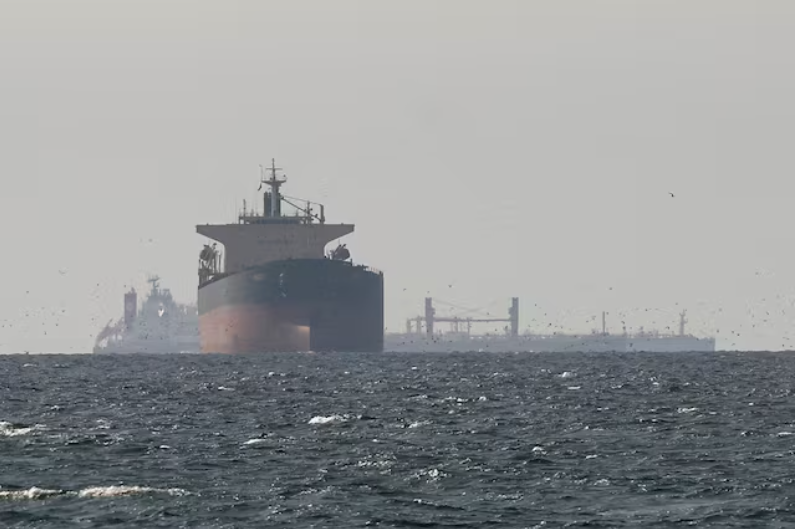
His comments come as crude oil tankers remain stalled in the strategic Strait of Hormuz, a key global shipping route that has been affected by security concerns tied to the ongoing military confrontation.
The disruption has raised fears of supply shocks in global energy markets, as a significant share of the world’s oil exports normally passes through the narrow waterway connecting the Persian Gulf to international markets.
Wright noted that while military operations remain the primary focus for the United States and its allies, energy officials are closely monitoring the potential impact on global supply and prices.
He also said the United States Navy is currently unable to escort commercial vessels through the strait, although such protection operations could begin later this month if security conditions improve.
The comments follow warnings from an Iranian official on Wednesday that oil prices could surge sharply if the conflict escalates further or disrupts regional oil shipments.
Energy analysts say prolonged instability in the Middle East could tighten global supply and increase volatility in oil markets, though governments and producers are working to prevent a severe price shock.
The Strait of Hormuz remains one of the world’s most critical oil transit routes, handling a large portion of crude shipments from Gulf producers to global markets.
For now, U.S. officials maintain that while the geopolitical risks are significant, the likelihood of oil prices reaching $200 per barrel remains low under current conditions.