
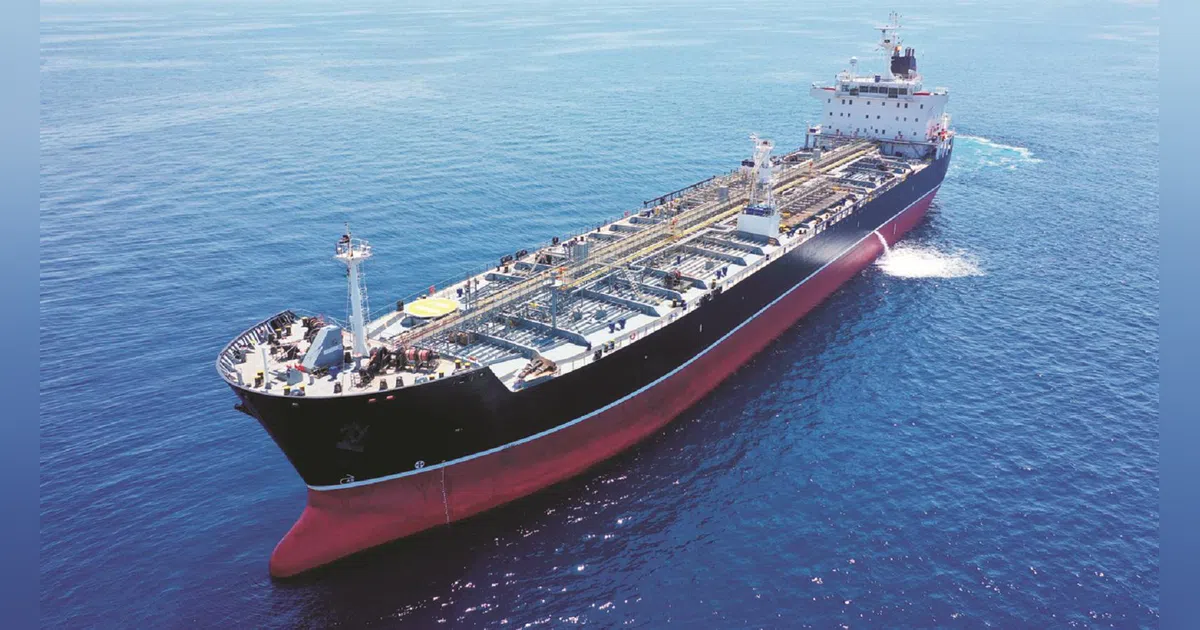

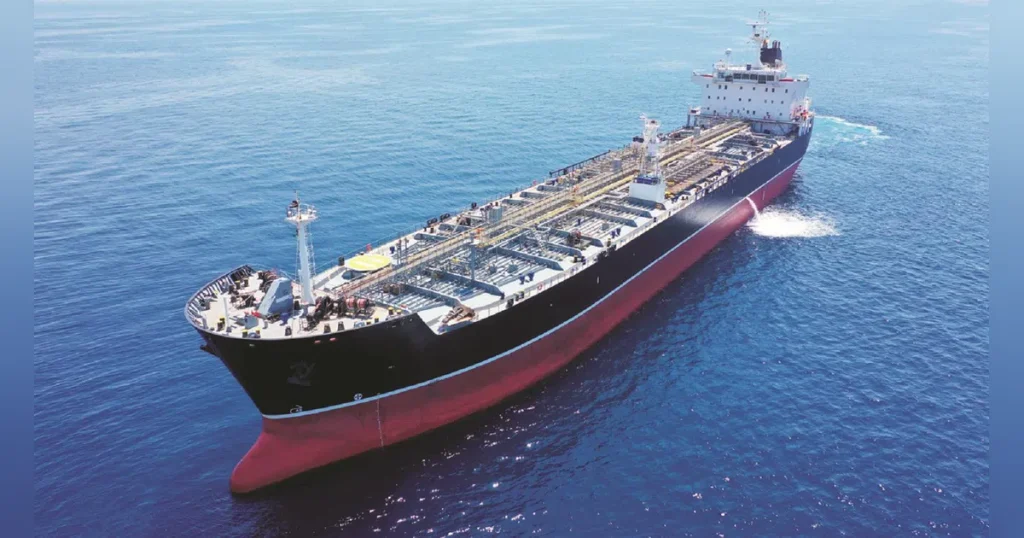
Oil prices edged lower on Friday as a tanker successfully exited the Strait of Hormuz, offering brief relief to markets worried about supply disruptions caused by the ongoing Middle East conflict.
Brent crude futures for May fell 0.9% to $99.54 per barrel by 1234 GMT, while West Texas Intermediate for April dropped 1.7% to $94.09. Despite the dip, both benchmarks remained on track for weekly gains as tensions in the region continued to threaten global energy flows.
An India-flagged tanker carrying gasoline bound for Africa sailed out of the strait on Friday, according to an Indian government official. Analysts cautioned that the single passage did not indicate a full reopening of the key shipping route, which handles a significant portion of global oil trade.
Meanwhile, the U.S. Department of the Treasury issued a 30-day licence allowing countries to purchase Russian oil and petroleum products stranded at sea, a move Treasury Secretary Scott Bessent said was aimed at stabilising global energy markets shaken by the U.S.–Israeli war with Iran.
The licence could affect around 100 million barrels of Russian crude already heading to buyers, easing logistical bottlenecks rather than adding new supply, analysts said.
Separately, the U.S. Department of Energy announced plans to release 172 million barrels of crude from the Strategic Petroleum Reserve, part of a coordinated effort with the International Energy Agency, which pledged a record 400 million-barrel release from member stockpiles.
However, renewed regional tensions quickly overshadowed the relief measures. Iran’s Supreme Leader Mojtaba Khamenei said Tehran would continue fighting and keep the Strait of Hormuz closed as leverage against the United States and Israel.
Security officials in Iraq also reported attacks by explosives-laden boats on two fuel tankers in Iraqi waters, while an Iraqi official said oil export ports had halted operations.
Earlier in the week, both Brent and WTI surged more than 9% to their highest levels since August 2022, reflecting market fears of deeper supply disruptions and potential damage to Middle East energy infrastructure.
Investment bank Goldman Sachs said Brent could average above $100 per barrel in March before easing to around $85 in April, warning that volatility will persist as the conflict threatens shipping through the Strait of Hormuz and wider regional oil supplies.