
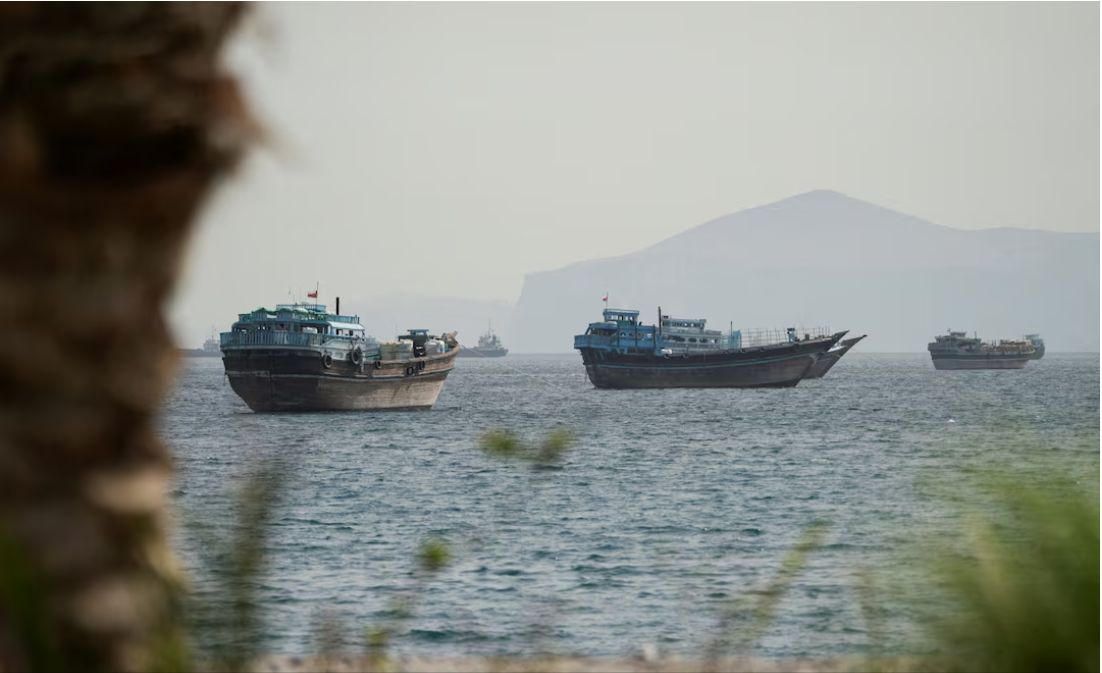

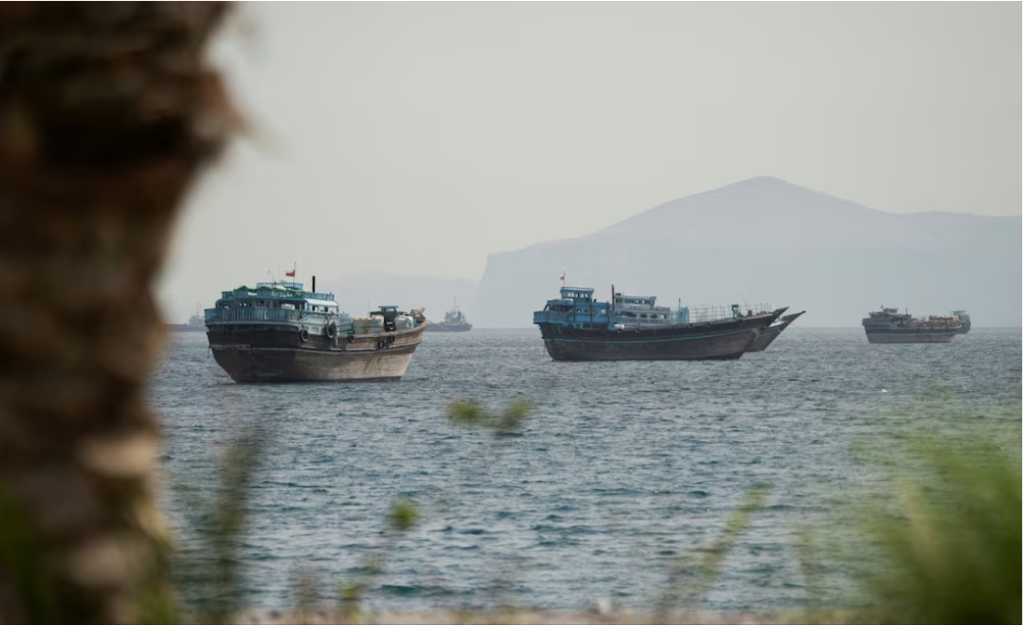
Several oil and liquefied natural gas (LNG) tankers have resumed passing through the Strait of Hormuz in recent days, delivering cargoes to Pakistan, China and India despite disruptions caused by the U.S.-Israeli conflict with Iran. The waterway, a key route for roughly 20% of global oil and LNG supplies, has seen sharply reduced traffic since hostilities began on February 28.
Shipping data showed LNG tanker Fuwairit, loaded at Qatar’s Ras Laffan port, crossed Hormuz on Monday and is expected to unload in Pakistan, while Al Rayyan is bound for China after departing the Gulf. Another vessel managed by Abu Dhabi National Oil Company (ADNOC), Al Hamra, also reappeared outside the strait after weeks without tracking updates.
The departures add to a small number of crude carriers leaving the Gulf this month through a transit route directed by Iran. Last week, three supertankers transported about 6 million barrels of crude to China and South Korea.
Meanwhile, the VLCC Eagle Verona, carrying nearly 2 million barrels of Iraqi Basrah crude for China, exited the strait after remaining stranded for nearly three months. The vessel is expected to arrive at China’s Ningbo port in mid-June.
Before the conflict, daily shipping traffic through the Strait of Hormuz averaged between 125 and 140 passages. Thousands of seafarers remain stranded aboard vessels in the Gulf as regional tensions continue to disrupt one of the world’s most critical energy corridors.