
The National Energy Regulator of South Africa (NERSA) has officially approved a major energy infrastructure project in the Western Cape. The decision allows Cape Ocean Terminals to move ahead with constructing a petroleum storage terminal and a 3-kilometer pipeline in Saldanha.
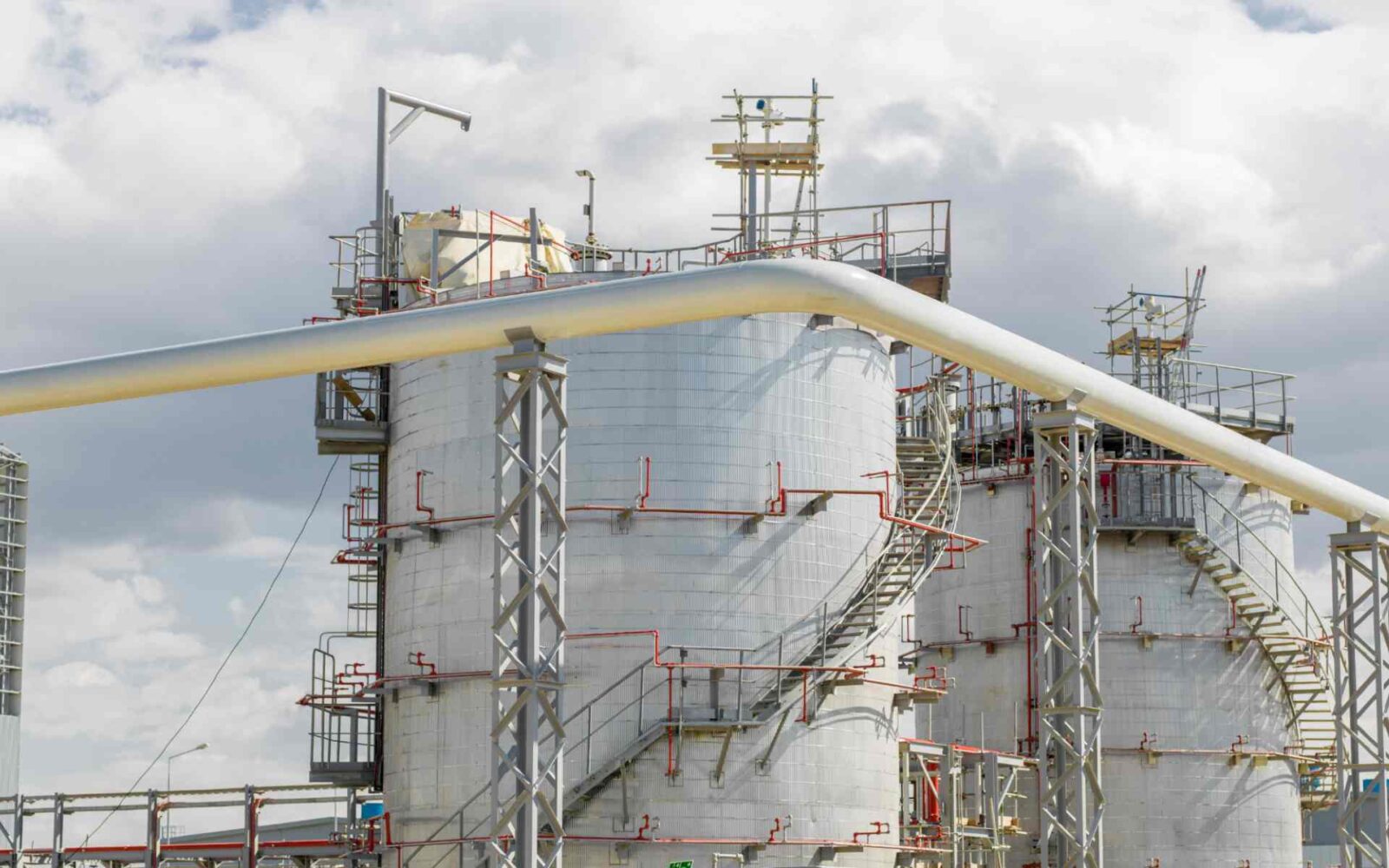
The approval marks the beginning of “Project Albatross,” a large-scale, phased greenfield development with an ultimate storage capacity of 390,000 cubic meters. Located near the Port of Saldanha, the project is expected to play a strategic role in South Africa’s fuel logistics network.
In its first phase, Project Albatross will feature eight tanks with a combined capacity of 155,120 cubic meters. The development also includes pumps, road-loading gantries, slops tanks, and two accumulation tanks to ensure efficient fuel handling.
A 20-inch pipeline will connect the terminal directly to Berth 104 at the Port of Saldanha. This link will utilize the Strategic Fuel Fund’s existing common-user pipelines, strengthening the port’s role as a key energy hub.
According to NERSA, the project supports government priorities for infrastructure investment, sector transformation, and sustainable growth in South Africa’s petroleum industry.
Muzi Mkhize, NERSA’s Full-Time Regulator Member for Petroleum Pipelines, said the approval demonstrates alignment with national objectives, particularly in energy security and economic transformation.
Beyond national energy goals, the project is also expected to stimulate local economic development in the Saldanha Bay area. It promises new opportunities in job creation, skills transfer, and supply chain activity.
The scale of Project Albatross underscores South Africa’s ambition to strengthen its energy infrastructure while diversifying storage and supply channels.
Industry observers view the approval as a significant milestone, opening doors for future investment and positioning Saldanha as a regional petroleum hub.
Overall, the project reflects South Africa’s commitment to balancing energy infrastructure expansion with economic growth and community benefits.