
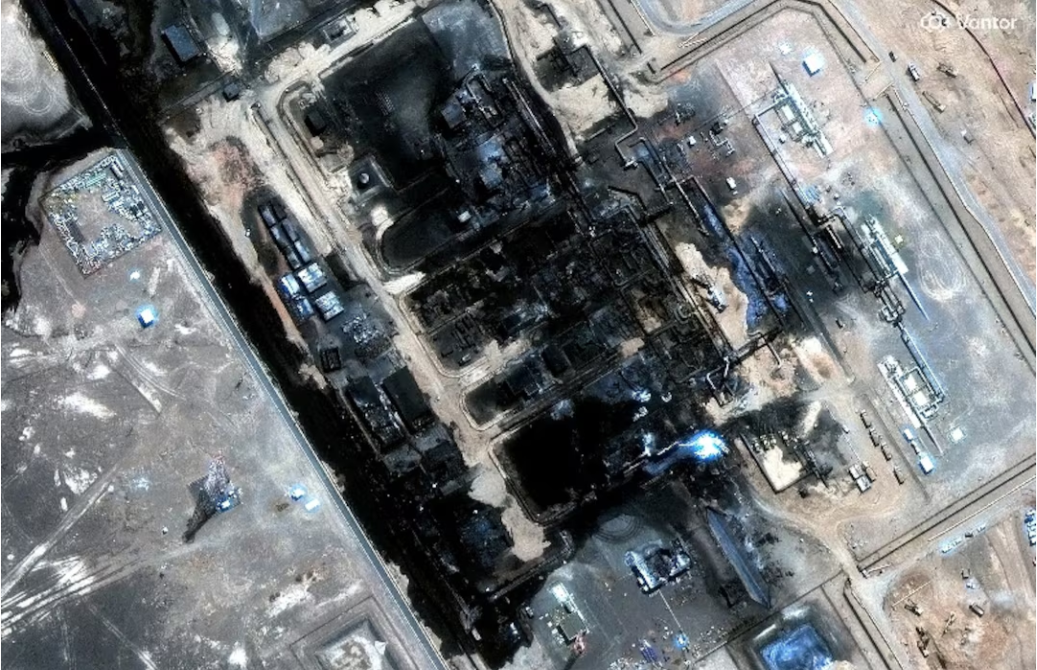

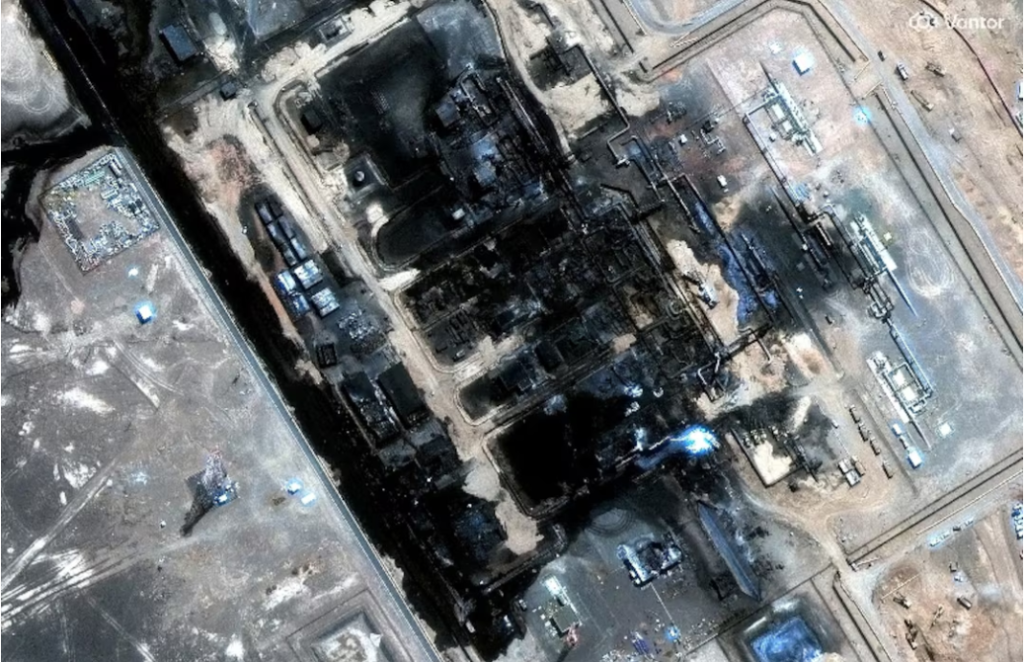
Saudi Arabia could face a sharp decline in export capacity if its key east-west oil pipeline to the Red Sea remains shut for several more days, according to oil traders and industry sources. The pipeline, which carries crude across the Arabian Peninsula to the Red Sea port of Yanbu, was halted following drone attacks on September 11.
Industry sources told Reuters that the outage threatens up to 4 million barrels per day of crude exports, equivalent to around 4% of global oil supply. Saudi Arabia has relied heavily on the route over the past six months to bypass disruptions in the Strait of Hormuz caused by regional conflict.
Storage facilities at Yanbu, along with reserves held at Egypt’s Ain Sukhna and Sidi Kerir terminals, are expected to support exports for only a limited period. Sources estimate that stocks at these facilities could last between five and seven days if pipeline operations are not restored.
Saudi authorities have not disclosed the full extent of the damage or provided a timeline for repairs. While some sources believe partial operations could resume during maintenance work, others estimate repairs may take up to five or six weeks.
The outage comes at a time when Saudi oil supply has already fallen to its lowest level in more than three decades, according to the International Energy Agency (IEA). The agency has also forecast a global oil supply decline of about 5.7 million barrels per day this year due to prolonged disruptions in Gulf exports.
The situation has heightened concerns across global energy markets, pushing oil and fuel prices higher and raising fears of further inflationary pressures worldwide. Reduced Middle East exports, combined with ongoing security threats in the Red Sea and Strait of Hormuz, continue to tighten crude supply and increase uncertainty over global energy security.