

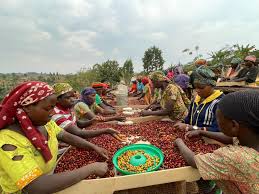
In Rwanda, firms are innovatively converting coffee waste, specifically coffee cherry husks, into valuable resources such as organic manure and energy pellets. This initiative, aimed at reducing agricultural waste and improving soil health, is part of a broader circular food systems approach that emphasizes minimizing waste and maximizing resource efficiency. Coffee cherry husks, which constitute over 45% of coffee cherries, are rich in essential nutrients and are typically considered waste.
By repurposing this material, companies like Kigasali Coffee Company Ltd. produce around 600 tonnes of organic manure each season, enabling farmers to replace chemical fertilizers and enhance crop production. Farmers, such as Diogene Kimenyi, have discovered that utilizing this organic waste not only meets their fertilization needs but also generates additional income through sales.
Additionally, the husks are transformed into pellets that serve as an alternative to charcoal, reducing deforestation pressures. The production process involves drying, grinding, and pelletizing the husks, resulting in a renewable energy source. Supported by the Circular Food Systems for Rwanda project, these innovations are crucial for addressing food waste and creating a sustainable agricultural economy.
However, regulatory challenges remain in certifying these products, prompting reforms from various governmental bodies to streamline the certification process. The initiative aims to bolster SMEs’ capacity to adopt circular business models, ultimately reducing food losses and promoting sustainability in Rwanda’s agricultural sector.