

With rapid urbanization, rising energy demand, and increasing pressure to reduce carbon emissions, the need for innovative, climate-resilient mobility solutions has never been more urgent. Africa’s urban population is projected to reach almost 1 billion people by 2035, and the continent’s overall population is on track to hit 2.5 billion by 2050. This growth places unprecedented strain on energy systems and transportation networks, demanding sustainable and future-ready solutions.
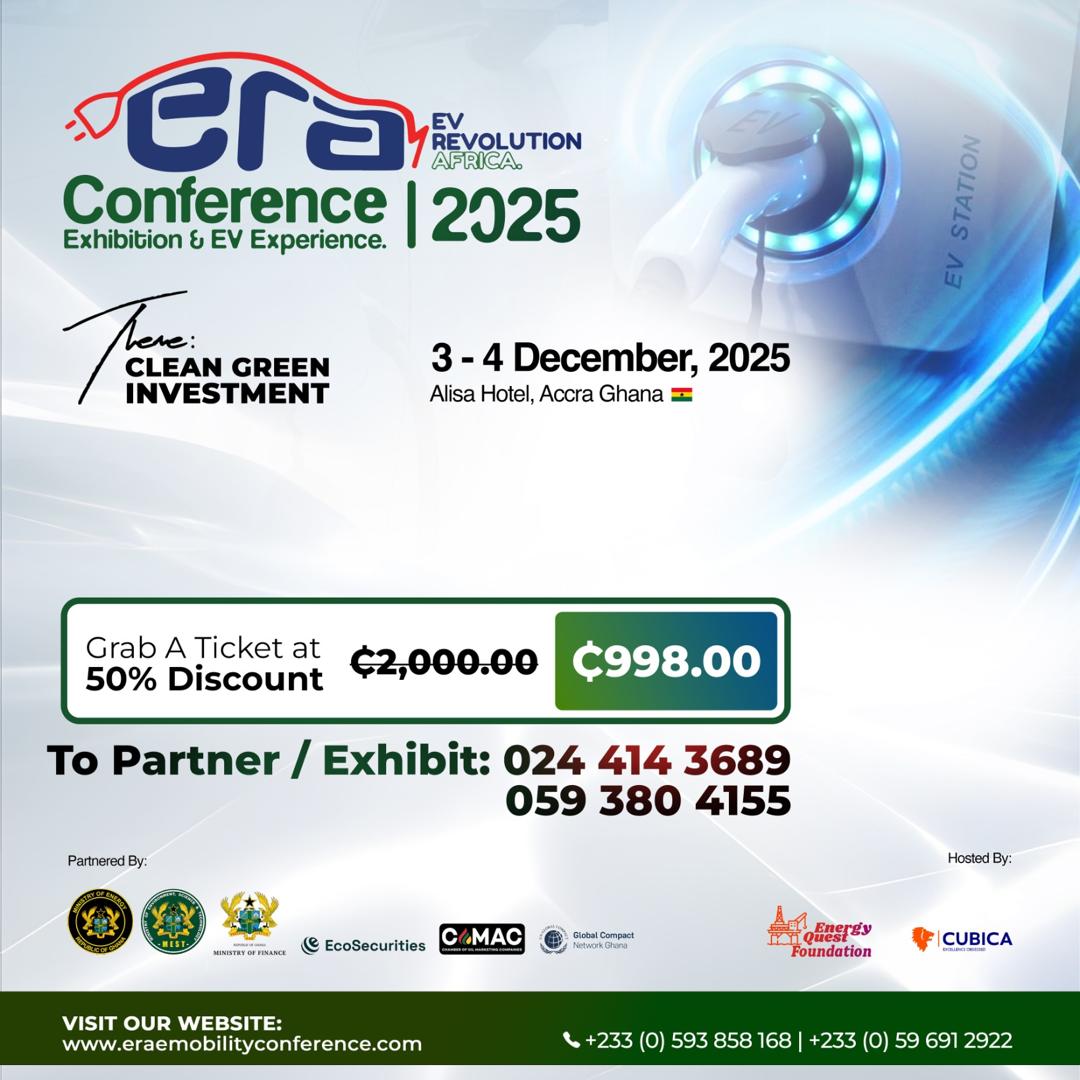
It is against this backdrop that the EV Revolution Africa Conference 2025 is being held, championing a timely and transformative theme: Clean Green Investment.
This year’s theme is a call to action for channeling capital into the continent’s sustainable energy and mobility future. It highlights the important role investment plays in shaping Africa’s clean energy transition and reflects the continent’s wider shift toward integrating clean technologies, especially Electric Vehicles (EVs). Today, transport accounts for roughly 23% of Africa’s energy-related CO₂ emissions, making the move toward clean mobility essential for meeting climate targets.
EV adoption across the continent is still in its early stages, representing less than 1% of vehicle sales. In 2024, electric car sales in Africa more than doubled to nearly 11,000 units, showing rising interest among consumers, governments, and investors. This growing demand signals a clear opportunity for scaling clean mobility through strategic, well-directed investment.
Clean Green Investment also draws attention to the need for diversified financing, from development banks to private equity; to support renewable energy integration, EV charging networks, battery manufacturing, and grid modernization. Africa needs an estimated $2.8 trillion in climate-related investments by 2030 to meet its energy transition goals. Unlocking such capital will be central to ensuring projects move beyond planning and into real, measurable impact on communities and local economies.
This transition also aligns with Africa’s renewable energy potential. The continent holds 60% of the world’s best solar resources yet currently accounts for only 1% of global solar capacity. Expanding clean energy generation is critical not only for powering homes and industries but also for fueling electric mobility at scale.
A core focus of the 2025 conference is turning these opportunities into actionable progress. Achieving widespread EV adoption requires strategic investment in charging infrastructure, policy incentives, workforce development, local manufacturing, and innovative technologies suitable for African markets. Equally important is ensuring that financing models are practical, inclusive, and tailored to the continent’s needs from green bonds and blended finance to carbon markets and public-private partnerships.
Organised by the Energy Quest Foundation, the EV Revolution Africa Conference 2025 provides a great platform to showcase groundbreaking green technologies, including next-generation EVs, renewable-powered charging systems, digital fleet solutions, and energy-efficient mobility innovations. It will also bring investors, policymakers, entrepreneurs, and development partners together to explore opportunities, forge partnerships, and share best practices for implementing high-impact projects across the continent.
About the Energy Quest Foundation
The Energy Quest Foundation’s mission is to demystify the energy sector and create direct impact through outreach and innovation. The foundation reports that its projects have reached more than 100,000 people across Ghana and the wider region. In 2024, it launched the ERA Conference as part of its expanded commitment to shaping the future of Africa’s energy sector.
For tickets, sponsorship, exhibition or enquiries, organisers can be contacted on (+233) 24 414 3689 or 059 380 4155 or via email at energyquestgh@gmail.com. To register, visit www.eraemobilityconference.com