

Global oil prices rose more than 2% on Wednesday, extending gains from the previous session as renewed hostilities in the Middle East heightened concerns over potential disruptions to energy supplies.
Brent crude futures climbed $2.49, or 2.6%, to $98.49 per barrel by 1049 GMT, while U.S. West Texas Intermediate (WTI) crude gained $2.51, or 2.7%, to $96.27 per barrel. Both benchmarks touched their highest levels in more than a week earlier in the session.
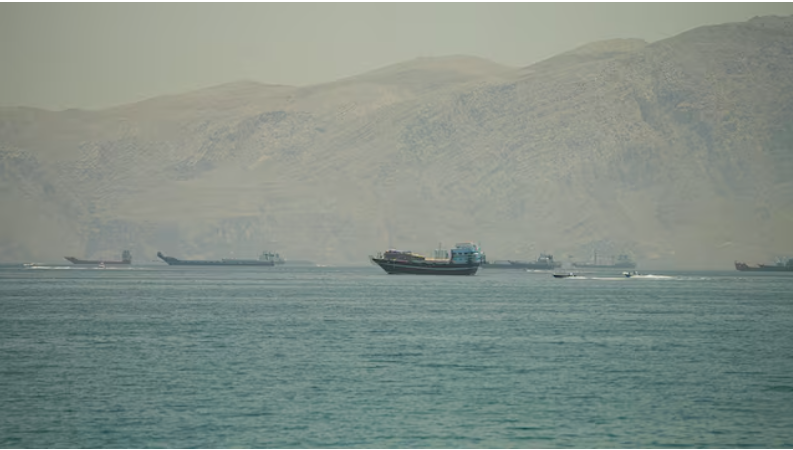
Market sentiment was driven by escalating geopolitical tensions after Iran launched ballistic missiles towards Kuwait and Bahrain, with Kuwaiti authorities reporting dozens of injuries. The developments came as U.S. forces carried out strikes on Iran’s Qeshm Island, further raising fears of a wider regional conflict.
Investors also remained concerned over the lack of progress in negotiations between Washington and Tehran, with analysts warning that prolonged uncertainty could keep a significant risk premium embedded in oil prices.
Additional support came from comments by Vitol executive Tom Baker, who said the global oil market may be underestimating the risks posed by the ongoing Iran conflict, now entering its fourth month.
Meanwhile, the International Energy Agency warned that global oil inventories could fall to critically low levels ahead of the peak summer demand season if current stock drawdowns continue.
Supply concerns were reinforced by industry data showing U.S. crude oil inventories declined by 6.8 million barrels in the week ended May 29, marking a seventh consecutive weekly drop.
Market participants are now awaiting official U.S. government inventory figures due later on Wednesday for further indications on the strength of demand and supply conditions.
Analysts said the combination of geopolitical instability, tightening inventories and strong seasonal demand expectations continues to provide strong support for crude prices.