

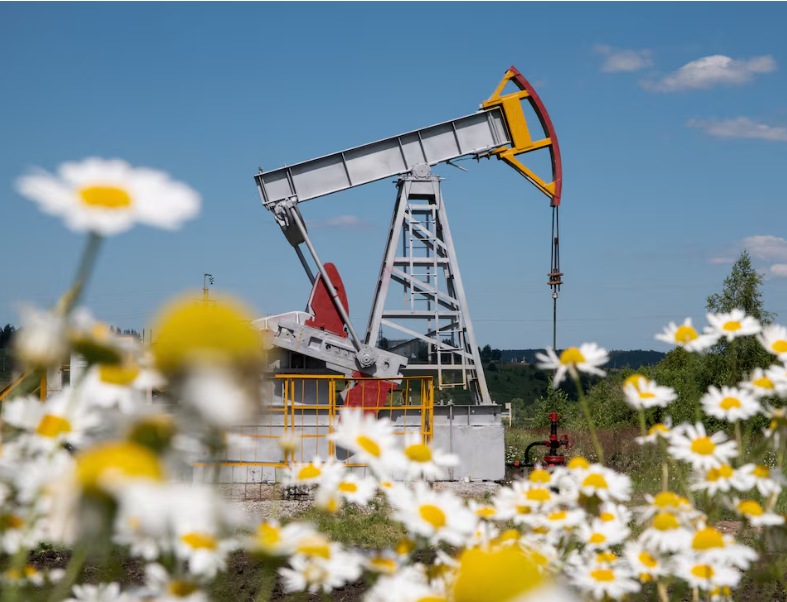
Oil prices edged higher on Wednesday as the United States launched a fresh wave of strikes on Iranian military installations, escalating hostilities and raising fears of further disruptions to energy supplies through the Strait of Hormuz. Brent crude rose to $84.91 a barrel, while U.S. West Texas Intermediate climbed to $79.60.
The latest U.S. strikes targeted Iran’s coastal defence systems and missile sites, with Washington saying the operation was intended to weaken Tehran’s ability to threaten commercial shipping in the strategic waterway. Iran responded by claiming attacks on U.S. military targets across the region, including Bahrain, Kuwait and Jordan.
The renewed conflict has heightened concerns over global oil supplies, as the Strait of Hormuz previously handled around one-fifth of the world’s oil and liquefied natural gas shipments before the war intensified. Markets are also monitoring the possibility of Iran using allied Houthi forces to disrupt traffic through the Bab el-Mandeb Strait, another key energy transit route.
Supporting prices further, the United States has tightened pressure on Iran by imposing a naval blockade on ships entering and leaving Iranian ports, threatening exports estimated at between 1.5 million and 2 million barrels per day. Goldman Sachs said Gulf exports have fallen below half of pre-war levels over the past week and warned Brent crude could climb above $110 per barrel later this year if disruptions persist.
Despite the escalating military exchanges, analysts said investors remain cautious about pushing oil prices significantly higher, noting that previous threats have not always resulted in prolonged supply losses. Markets are expected to remain highly sensitive to developments in the Middle East as traders assess the risk of further disruptions to global energy flows.