
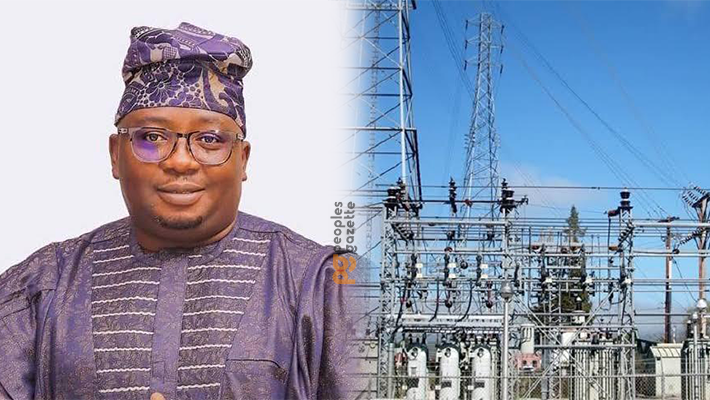

Nigeria’s power generation is currently capped at about 5,000 megawatts, despite a transmission capacity of 8,500 megawatts, as confirmed by Minister of Power Adebayo Adelabu. Speaking at the Nigerian Independent System Operator’s Maiden Stakeholders’ Engagement in Abuja on November 19, 2025, Adelabu attributed this limitation to low domestic demand and distribution challenges. He noted the successful synchronization of Nigeria’s national grid with the West African Power Pool on November 8, enabling new opportunities for energy trading and investment.
Though contracts exist to supply 600 MW to neighboring countries, only 360 MW is currently being exported, prompting calls from consumer advocates for the government to address infrastructure gaps and boost demand. While Adelabu highlighted ongoing investments in the power sector, the issue of underutilized generation capacity persists due to inefficiencies in the distribution network, exacerbated by factors such as energy theft and technical losses.
The minister reiterated that increasing consumption is essential for unlocking the country’s generation potential and improving market conditions. Despite some skepticism regarding the reliability of power exports, he assured that domestic supply remains a priority. Critics assert that addressing the domestic grid’s fragility must come before pursuing export opportunities. The recent synchronization achievement was characterized as a significant milestone toward regional energy resilience, showcasing Nigeria’s potential as a power hub in West Africa. This progress aims to enhance reliability, attract investment, and improve overall efficiency in the electricity sector.