

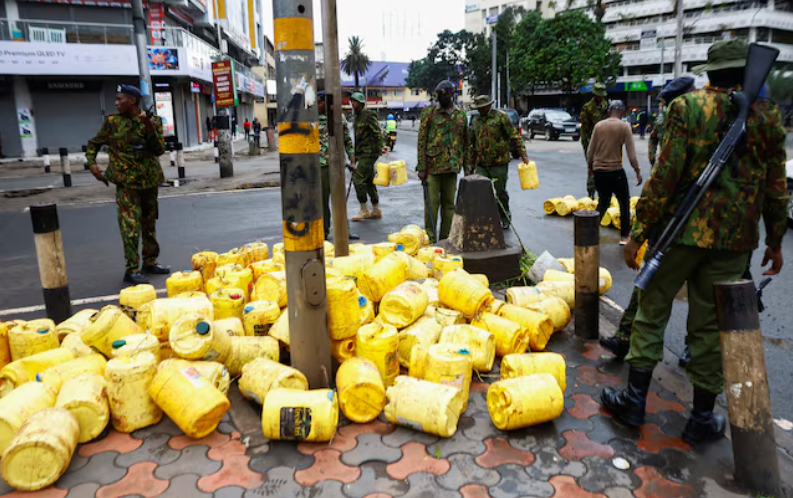
Kenyan public transport operators on Friday cancelled a planned strike scheduled for next week after President William Ruto announced an additional cut in diesel prices, aimed at easing pressure from rising fuel costs linked to global supply disruptions.
The move follows a two-day nationwide transport strike earlier this week that paralysed economic activity in Nairobi and escalated into clashes between protesters and police, leaving four people dead and around 30 injured.
In a televised address, Ruto said the government would lower diesel prices by 10 Kenyan shillings per litre during the June-July pricing cycle, extending relief after an earlier reduction introduced this week following protests.
Kenya had raised diesel prices by 23.5% to 242.92 shillings per litre in the May-June pricing cycle, triggering unrest among transport operators who argued higher fuel costs threatened their businesses and increased commuter fares.
Transport industry leaders, appearing alongside Ruto during the announcement, confirmed the suspension of planned industrial action after the government pledged further intervention.
Ruto said authorities had spent at least 28.1 billion Kenyan shillings between April and June to cushion consumers from fuel price increases, despite mounting pressure on public finances.
The latest subsidy effort comes as Kenya faces growing debt burdens, with debt servicing consuming 71.2% of ordinary government revenue in the 2024/25 fiscal year, compared with 50% four years earlier.
The president, seeking re-election in 2027, has faced repeated protests over living costs, including demonstrations in 2024 that forced the withdrawal of proposed tax increases worth $2.7 billion.
Ruto maintained that government-to-government fuel supply agreements signed with Middle Eastern countries in 2023 have protected Kenya from more severe global oil price shocks and ensured uninterrupted fuel supplies.
The administration said the arrangements continue to stabilise domestic fuel availability despite ongoing geopolitical tensions affecting international energy markets.