

The International Energy Agency (IEA) has warned that global energy security could face mounting risks if oil shipments through the Strait of Hormuz are not restored within the coming weeks, as supply disruptions continue to rattle international markets.
Speaking at a Council on Foreign Relations event on Thursday, IEA Executive Director Fatih Birol said the prolonged blockage of the strategic waterway following the U.S.-Israeli conflict with Iran has become a major concern, urging swift action to resume normal energy flows.
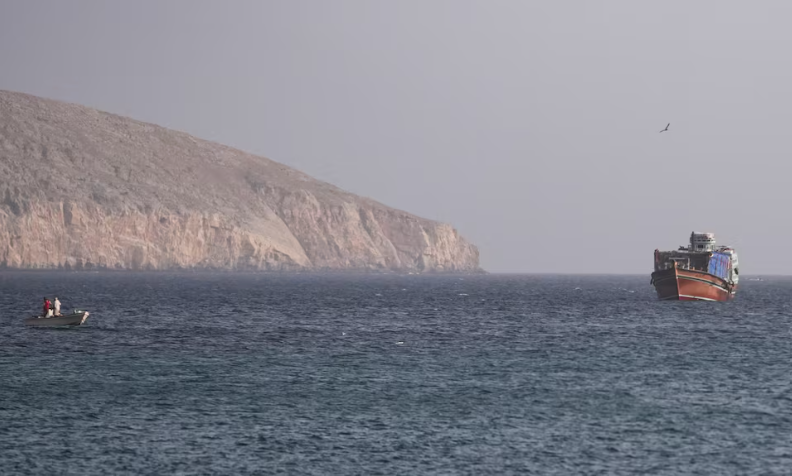
The Strait of Hormuz, located between Iran and Oman, typically handles around one-fifth of the world’s energy shipments, making it one of the most critical routes for global oil and gas trade.
Birol said the impact of the disruption has so far been softened by China’s large oil stockpiles, increased energy conservation through electric vehicles and public transport, and the IEA’s coordinated emergency release of up to 400 million barrels of oil.
However, he cautioned that these measures are temporary and cannot sustain global supply indefinitely if the crisis persists, describing the conflict as the worst energy disruption in modern history.
He added that rising U.S. oil production has provided some relief, but warned that American producers cannot fully replace the massive volumes normally transported through the Strait of Hormuz.
According to the IEA chief, Asian economies have suffered the greatest impact because they rely heavily on oil and gas supplies passing through the waterway, with developing countries such as India, Pakistan and Bangladesh facing the most severe economic strain.
Birol also warned of growing humanitarian concerns, saying higher fuel prices are forcing many households in developing nations to return to traditional cooking fuels such as wood and dung, increasing exposure to harmful indoor air pollution.
The IEA’s emergency stock release helped push oil prices down by roughly $20 per barrel after its March intervention, demonstrating the agency’s ability to stabilize markets during periods of severe supply disruption.
Even so, Birol stressed that only about one-fifth of the IEA’s strategic reserves have been used, leaving additional emergency stocks available, while emphasizing that reopening the Strait of Hormuz remains the most effective solution to restoring stability in global energy markets.