
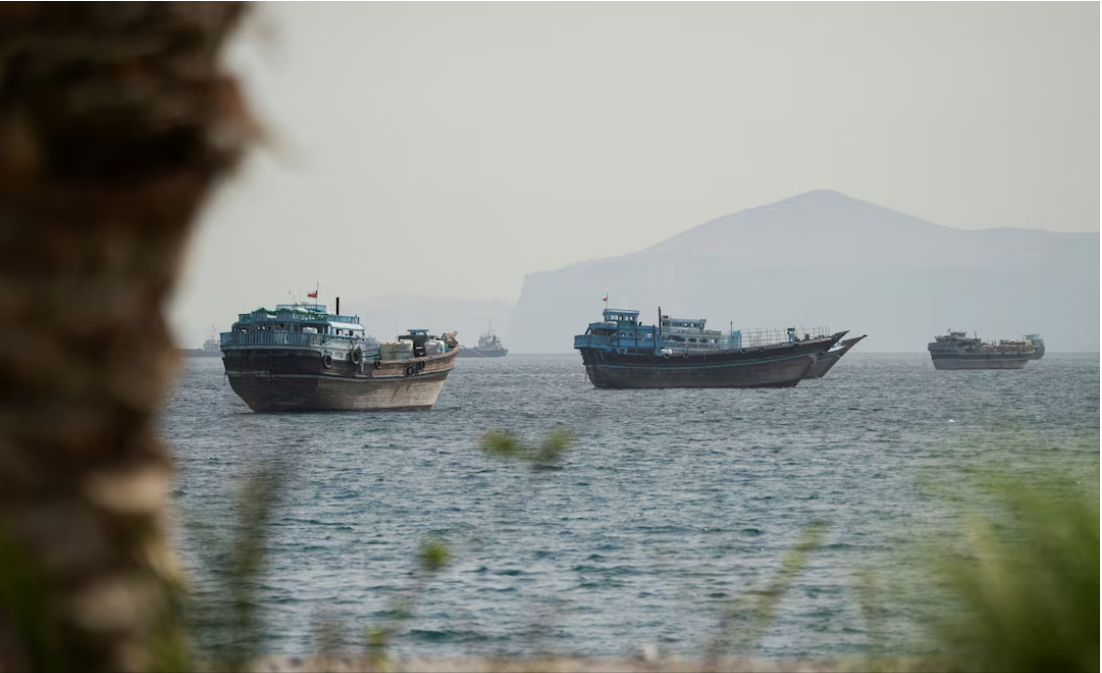

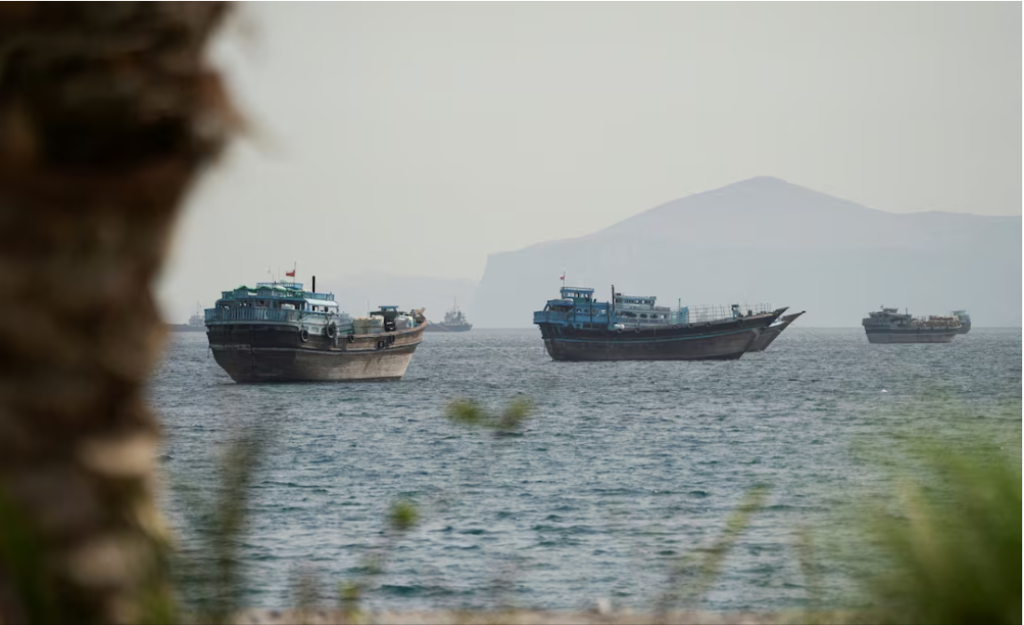
The Strait of Hormuz is showing early signs of normalizing shipping activity after recent U.S.-Iran talks eased concerns over disruptions to global energy supplies. On Tuesday, two crude oil supertankers carrying Middle Eastern crude successfully transited the strategic waterway, while several Qatar-linked LNG vessels returned to the Gulf to reload cargoes.
Ship-tracking data showed the VLCCs Dubai Energy and Universal Glory, carrying a combined 4 million barrels of crude from Saudi Arabia and Abu Dhabi, exited the strait and continued towards Asian destinations. At the same time, Iranian-linked and sanctioned tankers continued to move through the route, reflecting a broader recovery in regional shipping activity.
The increase in traffic follows the conclusion of the first round of U.S.-Iran negotiations in Switzerland, where both sides agreed to pursue a permanent agreement within 60 days. Washington’s decision to temporarily waive certain sanctions until August also helped ease market fears over oil and LNG supply disruptions.
In the LNG sector, seven empty QatarEnergy-controlled tankers entered the Gulf between June 11 and June 22, marking the first significant return of Qatari vessels since the outbreak of the conflict earlier this year. Analysts said the movements suggest Qatar is gradually restoring export operations and remains on track with its LNG expansion plans.
Some of the vessels initially crossed the strait with tracking systems switched off, while others later entered through routes close to Iranian waters. Industry observers described the return of the tankers as the largest movement of empty LNG carriers through Hormuz since the conflict began.
Despite the improving outlook, analysts cautioned that Gulf energy exports remain dependent on sustained security in the waterway, continued insurer confidence and successful implementation of the U.S.-Iran framework agreement. Shipping companies and energy producers are expected to adopt a phased approach as they assess the durability of the easing tensions.
The renewed movement of oil and LNG vessels has raised expectations that cargoes stranded during the conflict will gradually reach international markets, helping stabilize global energy supplies and keeping downward pressure on oil prices.