

The Government of Ghana has announced plans to revive crude oil refining operations at the Tema Oil Refinery (TOR) by the end of this year, marking a major step toward reducing the nation’s US$10.2 billion annual oil import bill. The initiative aims to strengthen the economy, conserve foreign exchange, and stabilise local fuel prices.
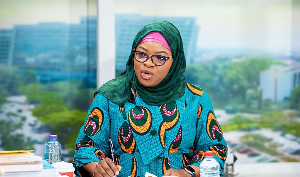
Speaking on behalf of Chief of Staff, Hon. Julius Debrah, Deputy Presidential Spokesperson Shamima Muslim said the decision forms part of President John Mahama’s ‘Resetting Ghana Agenda’, a comprehensive programme designed to rebuild the economy through reforms and strategic partnerships. The announcement was made during the Africa Best Business Awards.
Under the plan, TOR is expected to meet 60 percent of Ghana’s domestic crude oil demand, potentially saving the country about US$400 million every month in import costs. The refinery’s revival follows a comprehensive restructuring process, which has reached 98 percent completion after years of operational setbacks.
The government has introduced a new tolling arrangement between TOR and Sentuo Oil Refinery Limited, aimed at ensuring operational efficiency, accountability, and financial sustainability. This partnership will also include upgrades to TOR’s distillation units, pipelines, and storage infrastructure, restoring its full refining capacity.
Officials say the revival of TOR is a key component of broader economic policies intended to enhance energy security, reduce dependence on imported petroleum products, and stabilise the cedi. Recent reforms have already led to an inflation decline to 8 percent and generated over US$8 billion in foreign exchange earnings through the Ghana Gold Board.
According to Muslim, the government’s fiscal and monetary discipline has restored investor confidence and created a foundation for sustained growth. Complementary initiatives such as the 24-hour economy programme, backed by a US$4 billion investment plan and US$400 million seed fund, are expected to create two million jobs and boost industrial productivity.
In the energy sector, Ghana continues to lead innovation with projects like the 5MW floating solar photovoltaic plant at Bui, the first of its kind in West Africa, with an additional 25MW expansion planned next year.
Muslim urged the private sector to take advantage of the favorable business climate created under the Resetting Ghana Agenda, encouraging collaboration to drive shared national prosperity.
She emphasized that the revival of TOR, coupled with strategic investment in renewable energy, demonstrates government’s commitment to energy security, sustainable development, and positioning Ghana as a competitive industrial hub in the sub-region.
Overall, the refinery’s comeback symbolizes not only a push for economic self-reliance but also a bold step toward achieving long-term stability and reducing the country’s vulnerability to global fuel price fluctuations.