
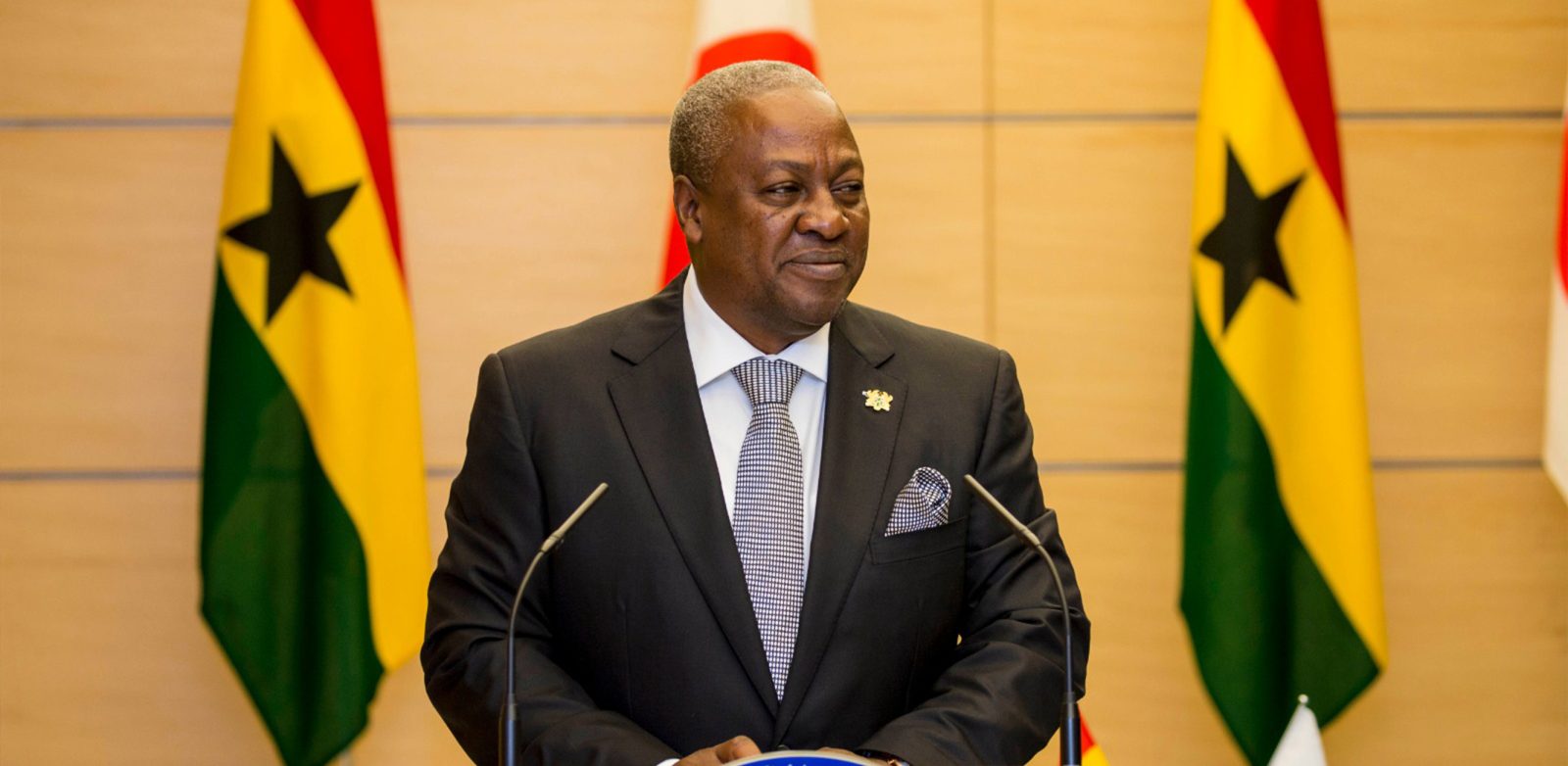

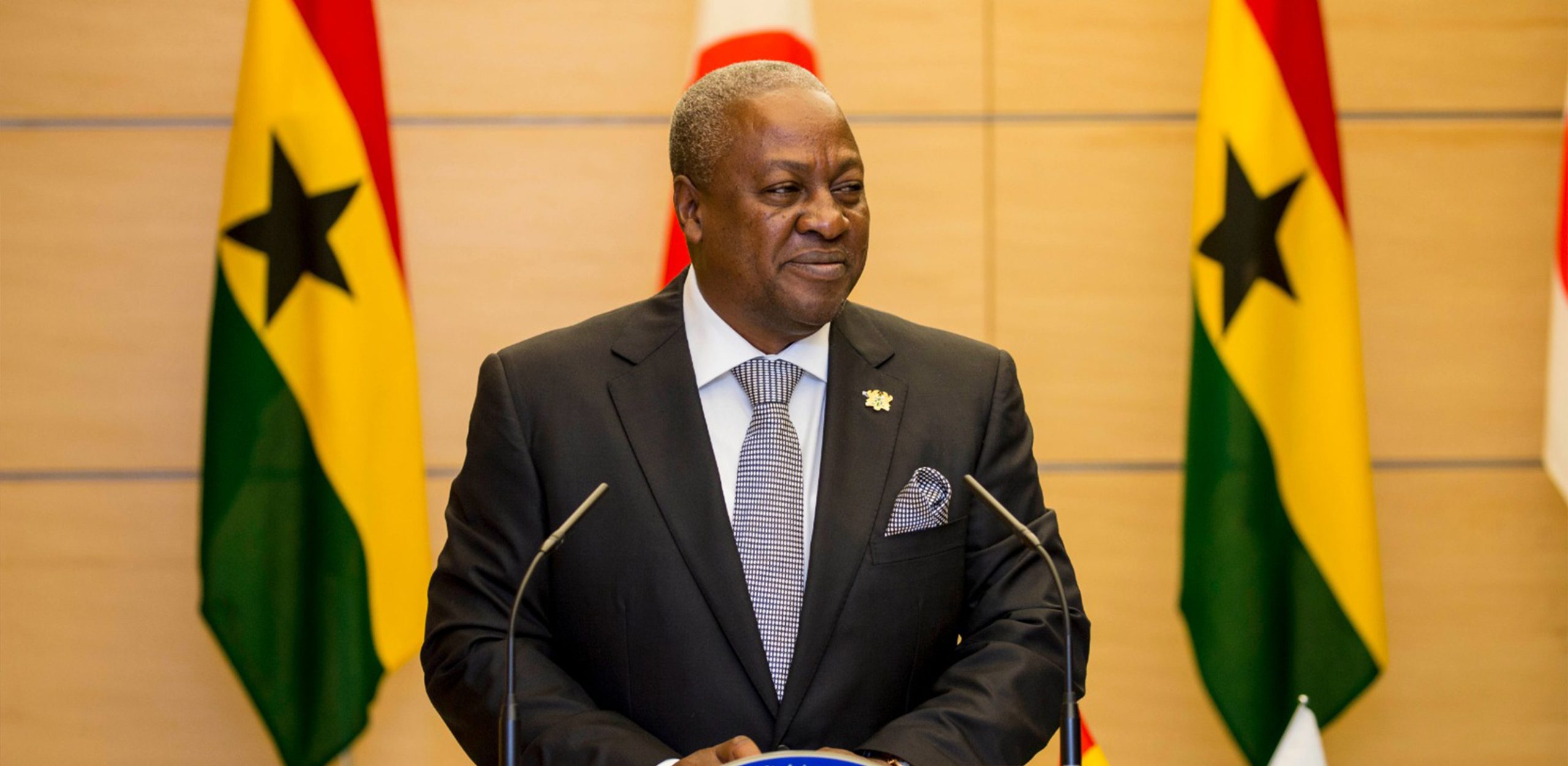
President John Dramani Mahama has indicated that Ghana’s ability to withstand global energy shocks, including tensions in the Middle East, is the result of a deliberate shift toward increased reliance on natural gas over liquid fuels. Speaking at the Presidential Dialogue with Civil Society Organisations at the Jubilee House, he noted that his administration has made steady progress in expanding domestic gas supply, particularly from the ENI Sankofa and Jubilee fields.
He explained that the country’s growing stability in the energy sector has been supported by improved financial arrangements, including the restoration of the World Bank-backed guarantee for the Sankofa project to its original value of $500 million. This, coupled with consistent payments for gas supply, has strengthened investor confidence and contributed to increased gas production.
The President further disclosed that a Memorandum of Understanding has been signed with Jubilee Field partners to secure an additional $2 billion investment aimed at drilling nearly 30 new wells to boost gas output. He, however, highlighted infrastructure constraints, noting that the existing facility at the Atuabo Gas Processing Plant is unable to process the anticipated volumes, prompting plans for the development of a second gas processing train.
He also revealed that ENI is expected to commit a further $1.5 billion investment to support additional drilling activities in the offshore Cape Three Points area. With increased gas availability, Ghana is expected to significantly reduce its dependence on liquid fuels while positioning itself to export electricity to neighbouring countries, reinforcing both energy security and regional supply stability.