
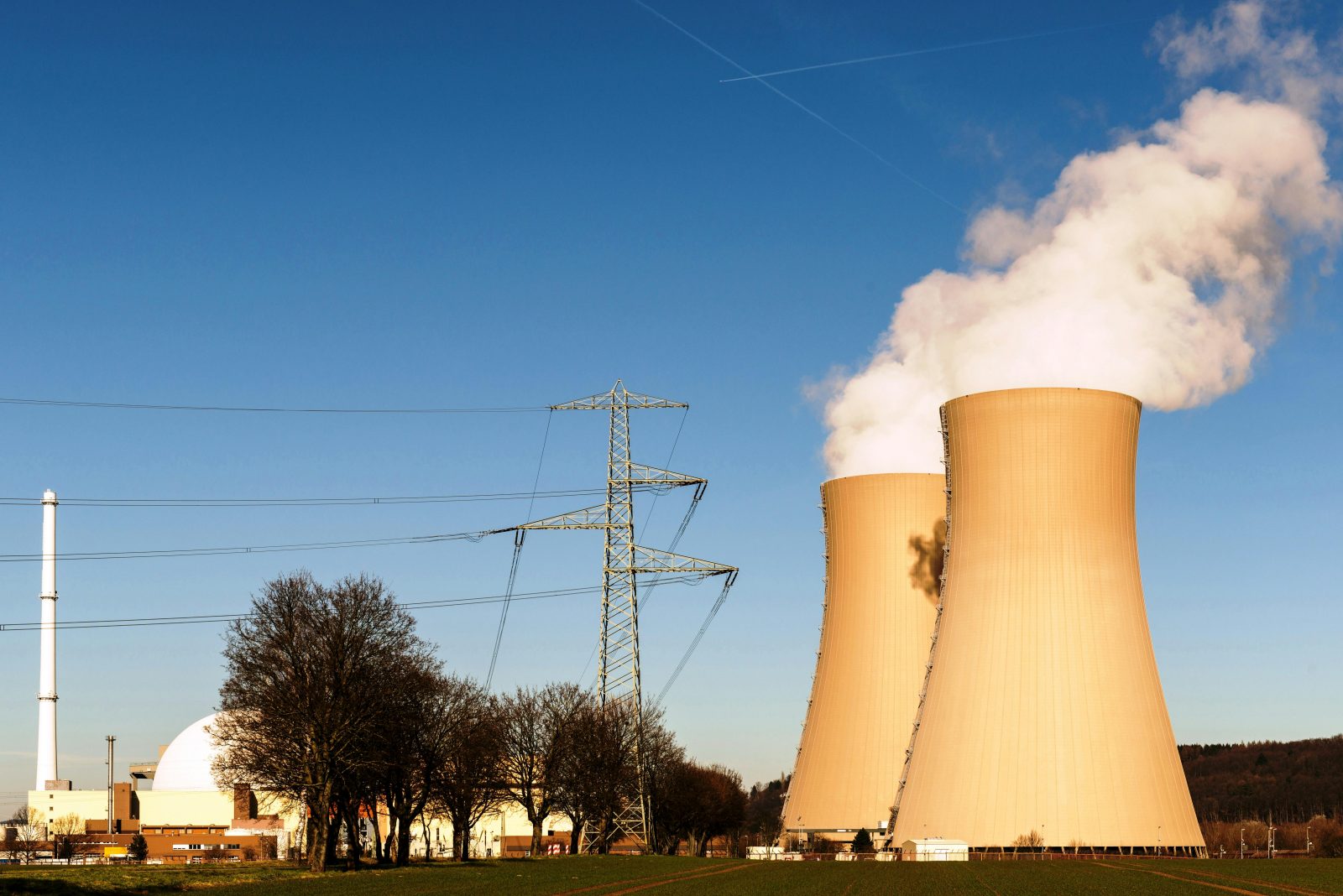

In a major milestone for South Africa’s power sector, Eskom, the national electricity utility, has officially commissioned the sixth and final unit at the Kusile coal-fired power plant. Located in Mpumalanga Province, the new 800-megawatt (MW) unit was added to the national grid in 2024, marking the completion of one of the country’s most significant energy infrastructure projects.
The commissioning of Unit 6 brings the Kusile plant’s total capacity to 4,800 MW, matching that of its sister project, the Medupi Power Station. Together, the two mega plants now contribute 9.6 gigawatts (GW) to South Africa’s power generation capacity, reinforcing the grid at a time of ongoing supply challenges.
Construction on Kusile and Medupi began in 2007 with an initial completion target of 2014, but both projects experienced multiple delays due to technical, financial, and environmental challenges. Despite the setbacks, Eskom’s persistence highlights its continued reliance on coal as a key component of South Africa’s energy mix.
By 2024, the country’s total installed generation capacity reached approximately 63 GW, with coal accounting for nearly 69 percent, or 44 GW, of that total. However, frequent breakdowns and maintenance issues at existing coal plants have strained electricity supply, making the completion of Kusile and Medupi critical to restoring stability.
Coal remains the dominant source of electricity in South Africa, supplying about 85 percent of national power needs. Eskom operates 15 coal-fired power stations, making it the largest producer of coal-based energy on the African continent.
The commissioning of Kusile Unit 6 signifies Eskom’s effort to reinforce energy reliability while balancing long-term environmental goals. Although the government continues to explore renewable energy options, coal-fired power remains the backbone of South Africa’s electricity system.
Both Kusile and Medupi are expected to operate for around 50 years, ensuring consistent power supply for decades to come. Their completion also underscores Eskom’s central role in maintaining South Africa’s energy security amid a broader national transition toward cleaner sources.
For now, Eskom’s achievement at Kusile demonstrates the complex balance between energy security, economic development, and sustainability a defining challenge for South Africa’s power future.