
Chad faces extreme energy poverty, with only 10% of its population connected to electricity and a rural electrification rate below 2%. This situation, compounded by rapid population growth and low educational attainment—where only 38% of girls complete primary school—hinders the country’s development. The World Bank is addressing these challenges through initiatives like Mission 300, aimed at connecting 300 million people in Africa to electricity by 2030.
However, energy access is intricately linked to various Sustainable Development Goals (SDGs), including gender equality and education. Feminist electrification advocates emphasize designing energy investments to empower women as economic actors. This approach includes integrating family planning into energy programs and investing in women’s education and leadership.
Chad’s National Energy Compact aims to significantly increase electricity access and promote clean cooking solutions, yet it overlooks the gender dynamics essential for achieving these goals. Women, who manage household energy needs, often lack a voice in energy decision-making, despite their crucial role.
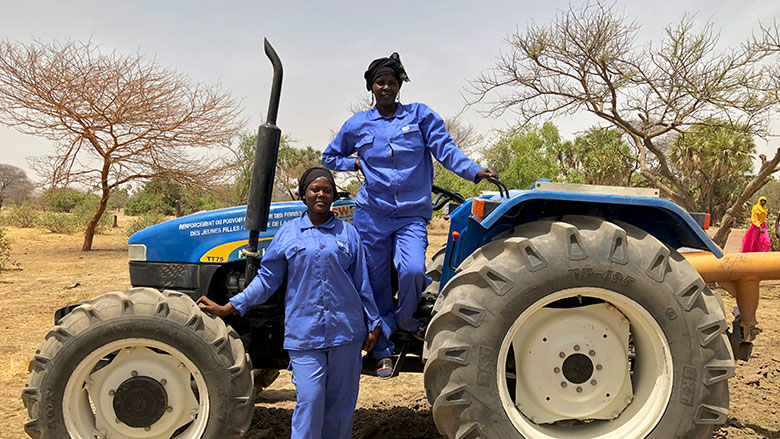
Addressing family planning needs is vital for stabilizing population growth, which currently contributes to rising energy demands. By providing women with vocational training in clean energy technologies, Chad can create jobs while promoting self-determination and lowering fertility rates.
Revising the National Energy Compact to include gender considerations and linking energy access with family planning initiatives will ensure that the benefits of electrification reach women. True energy access means empowering women to control their lives, aligning with the broader vision of sustainable development in Africa.