

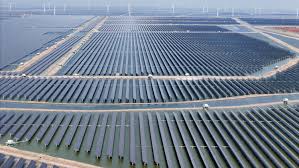
As COP30 continues in Brazil, global energy trends reveal both progress and persistent challenges since the Paris Agreement was signed a decade ago. Renewable energy consumption worldwide has tripled, with solar power growing more than seven-fold, yet fossil fuel use remains high, and wind and solar still account for just 9% of the global energy mix.
The energy transition has diverged regionally, with the United States, Europe, and China following distinct paths. China, the world’s largest energy consumer and CO₂ emitter, has expanded domestic coal, oil, gas, and renewables while boosting electric vehicle production and clean technologies to reduce fossil fuel imports. By 2024, China added over 60% of new global renewable capacity, bringing its wind and solar capacity to 1,400 gigawatts six years ahead of its target, but continues building coal plants to meet growing demand. While these moves reflect both economic self-interest and global influence ambitions, China’s rapid renewable expansion is widely regarded as the most notable climate success of the past decade, despite falling short of its Paris Agreement pledges.