
China has for the first time activated its anti-sanctions legislation, escalating tensions with the United States over restrictions targeting Chinese refiners accused of buying Iranian crude.
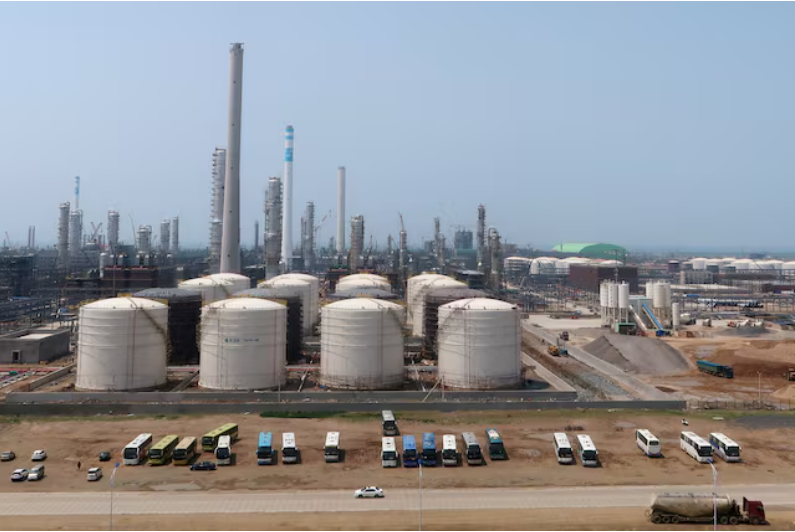
The Ministry of Commerce on Saturday instructed domestic firms not to comply with U.S. sanctions imposed on five refineries, including Hengli Petrochemical, citing Beijing’s legal authority to counter what it considers unlawful foreign measures.
The move follows repeated U.S. and Western sanctions against Chinese entities involved in trading Iranian and Russian oil, actions Beijing has consistently criticized as overreach.
China’s anti-sanctions law, introduced in 2021 and updated in April, allows authorities to impose retaliatory steps such as trade restrictions, investment bans, and travel limitations on targeted entities.
Officials framed the decision as a legal response to Washington’s “long-arm jurisdiction,” with state media saying the law is being used to defend national economic interests.
The escalation comes less than two weeks before U.S. President Donald Trump is expected to visit Beijing, underscoring persistent friction despite a broader trade truce between the two countries.
Legal experts warn that the directive leaves multinational companies operating in China in a difficult position, forcing them to choose between complying with U.S. sanctions or facing penalties under Chinese law.
Foreign governments, including Canada, have previously cautioned businesses about the risks of being caught between conflicting regulatory regimes.
While the law allows companies to apply for waivers, analysts say firms with extensive global exposure may face heightened scrutiny when seeking exemptions.
Industry sources suggest the move signals Beijing’s readiness to more aggressively use legal tools to shield its firms and counter external economic pressure.