

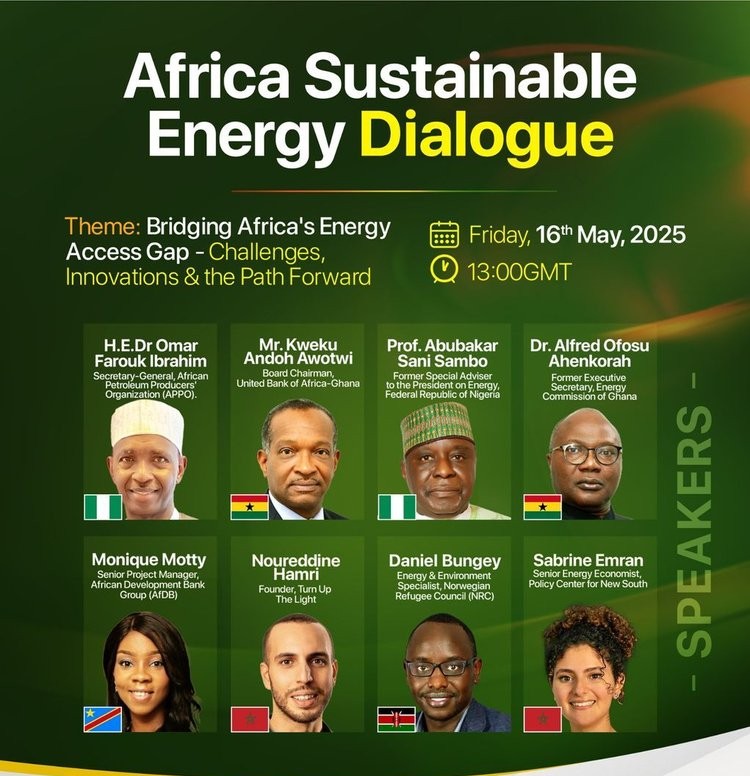
African energy leaders, policymakers, financiers, and development experts gathered virtually on Friday, 16th May, for the 2025 Africa Sustainable Energy Dialogue (ASED), hosted by the Africa Sustainable Energy Centre (ASEC), with a resounding call for visionary leadership, locally adapted solutions, and regional collaboration to confront the continent’s deepening energy access crisis.
Under the theme “Bridging Africa’s Energy Gap – Challenges, Innovations & the Path Forward,” the event focused on Africa’s persistent energy poverty, which leaves over 600 million people without electricity, despite the continent’s vast natural resources. Organisers described the event as a “turning point” in the effort to reframe Africa’s energy discourse from deficits to solutions.
In his opening remarks, Ing. Justice Ohene-Akoto, Executive Director of ASEC, set the tone by urging participants to embrace a shared commitment to sustainable progress. “It is time to shift the narrative,” he said, “from the absence of electricity to the profound social impact of energy poverty. Our dialogue must be rooted in Ubuntu – collective strength for collective progress.”

He added that outcomes from the dialogue will be compiled into a white paper to be submitted to African governments and institutions as a policy advisory tool. A second, in-person edition of the dialogue is planned for later this year in Accra, Ghana.
Leadership at the Core
A recurring theme across all panels was the centrality of leadership and political will in overcoming energy access barriers. H.E. Dr. Omar Farouk Ibrahim, Secretary-General of the African Petroleum Producers’ Organisation (APPO), criticised the continent’s continued reliance on exports and external funding.
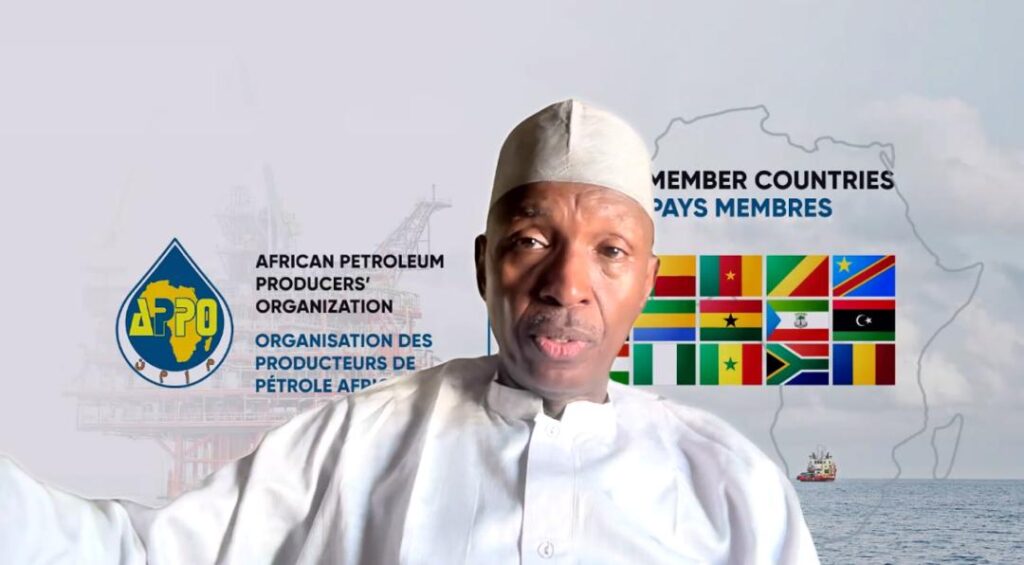
“Africa produces energy for the world, but not for Africans,” he said, noting that 75% of Africa’s oil and 45% of its gas are exported. “We must reverse this model. No country has eradicated poverty without universal energy access.” Dr. Ibrahim highlighted the forthcoming launch of the Africa Energy Bank by APPO and Afreximbank, aimed at funding African energy for African development. The bank is expected to become operational by the end of 2025.
Prof. Emeritus Abubakar Sani Sambo, former Special Advisor to the President of Nigeria on Energy, further emphasised that the energy access problem is not a single-issue challenge but rather a “complex web” of interlinked obstacles. “Leadership and political will, economic and financial constraints, and an infrastructure deficit reinforce each other in ways that paralyze progress,” he explained.
Prof. Sambo highlighted that many African governments lack the financial capacity to meet electrification goals, while investors remain wary due to currency volatility, inflation, and low demand density in rural areas. “Even when generation capacity exists, the transmission and distribution infrastructure is often outdated or inadequate, leading to significant technical losses and frequent outages that erode public trust,” he noted. Affordability was also flagged as a major issue, with cost-reflective tariffs remaining out of reach for many low-income communities.
Dr. Alfred Ofosu-Ahenkorah, former Executive Secretary of Ghana’s Energy Commission, echoed this sentiment, attributing Ghana’s electrification success, from 19% in 1989 to 87% today, to sustained political leadership. “Replication is not enough. Solutions must be adapted to local contexts,” he said.
Systems Thinking and Financial Innovation
Speakers repeatedly emphasised that energy access must be approached holistically, with a focus on integrated systems, financial literacy, and regional resource sharing.

Noureddine Hamri, founder of Turn Up The Light, highlighted Morocco’s rural electrification success as a model of inclusive financing and long-term planning. “Tariff structuring, shared-cost financing, and government guarantees made universal access possible,” he said. “We need state-led coordination but with strong private-sector involvement.”
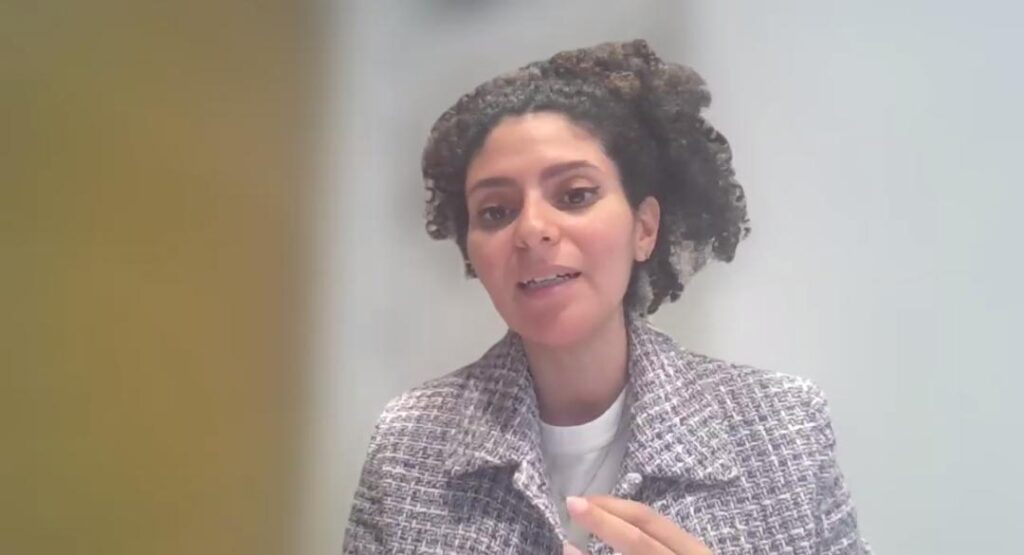
Senior Energy Economist Sabrine Emran added that Africa receives only 3% of global energy investment, underscoring the need to de-risk finance and make projects bankable. She praised Morocco’s centralised planning and strong public-private partnerships, which helped raise rural electricity access from 15% in 1995 to 100% by 2015.

Monique Motty of the African Development Bank stressed that systemic reform is essential. “Our political systems must align with development goals,” she said. She observed that Africa’s energy access crisis is symptomatic of broader governance issues, emphasising that regional cooperation, through mechanisms like power pools, is essential to building long-term resilience.
Decentralisation, Innovation, and Private Sector Engagement
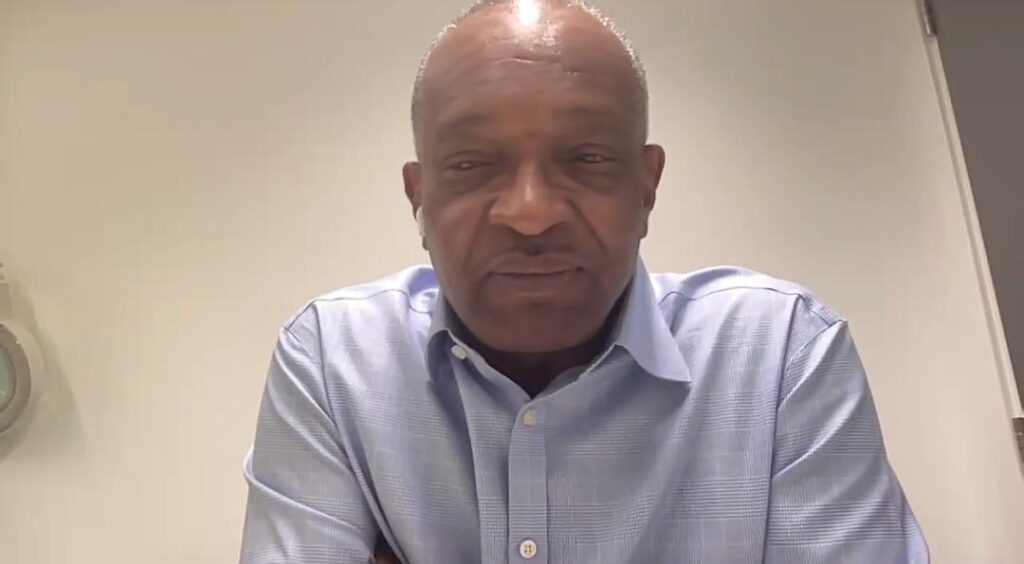
Former Tullow Oil Executive VP Kweku Awotwi pointed to the growing role of decentralised renewable energy solutions in circumventing grid deficiencies. “Solar adoption in the commercial and industrial sectors is accelerating due to cost savings and unreliable national grids,” he said, advocating for stronger legislative support for distributed generation and net metering.

Daniel Bungey, an energy specialist with the Norwegian Refugee Council, spotlighted Kenya’s rapid progress—from 30% electricity access in 2013 to nearly 80% today, with a 90% renewable mix—driven by strong political backing for the Vision 2030 agenda. “Energy must be viewed as national security. Regional integration can help unlock underutilised resources like Kenya’s 10,000MW geothermal potential,” he said.
Local Knowledge, Continental Impact
Throughout the event, speakers stressed that while lessons can be drawn from successful models like Morocco and Kenya, Africa’s energy future depends on context-specific solutions led by Africans.
“We are not here to lament,” said Dr. Ibrahim of APPO. “The era of lamentation is over.”
The virtual dialogue concluded with a collective pledge to transform Africa’s energy landscape through bold leadership, continental solidarity, and practical, scalable innovation.
A white paper synthesising the dialogue’s insights and recommendations will be released ahead of the in-person summit in Accra later this year. Organisers expressed hope that the momentum generated by ASED 2025 will galvanise policy action, investment, and community-driven energy transitions across the continent.
Source: Energy Ghana