

The African Development Bank Group (AfDB) has approved an additional $16.38 million in financing to strengthen the Borana Resilient Water Development for Improved Livelihoods Programme II in Ethiopia’s drought-prone Oromia region. The decision, endorsed by the Bank’s Board of Directors, aims to enhance climate-resilient water infrastructure in the Borana zone, where recurrent droughts have severely affected livelihoods and livestock.
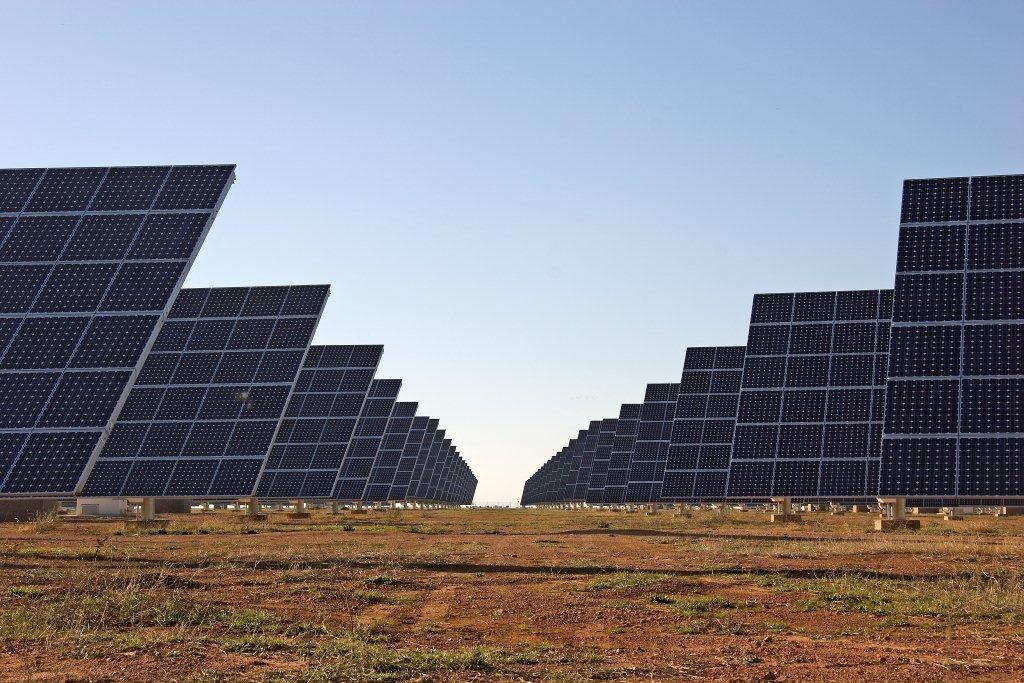
The new funding package includes a $9.38 million grant from the Climate Action Window of the African Development Fund and $7 million from the Rome Process/Mattei Plan Financing Facility. This support will be instrumental in expanding solar-powered water systems and extending the existing distribution network by nearly 95 kilometres, benefiting more than 23,000 residents and 50,000 livestock.
The Borana population, predominantly pastoral farmers, has suffered devastating losses due to persistent drought. According to Mecuria Assefaw, AfDB’s Water Security and Sanitation Manager for the East and Southern regions, the new investment represents “a decisive step towards climate-proofing livelihoods in one of the most fragile ecosystems in the Horn of Africa.”
Implemented by Ethiopia’s Ministry of Water and Energy, the programme will also promote integrated watershed management, strengthen local institutional capacity, and introduce household biogas units to reduce deforestation and carbon emissions.
Beyond improving access to clean water, the initiative is expected to create jobs, improve health and education outcomes, and empower women and youth through sustainable resource management.
Assefaw emphasized that by harnessing renewable energy and empowering communities to manage their own water systems, “resilience is becoming a lived reality for families, farmers, and future generations.”
This latest funding aligns with Ethiopia’s Ten-Year Development Plan (2021–2030) and the AfDB’s Ethiopia Country Strategy Paper (2023–2027), both of which prioritize climate-smart and sustainable infrastructure to mitigate the effects of extreme weather conditions and promote long-term regional stability.