
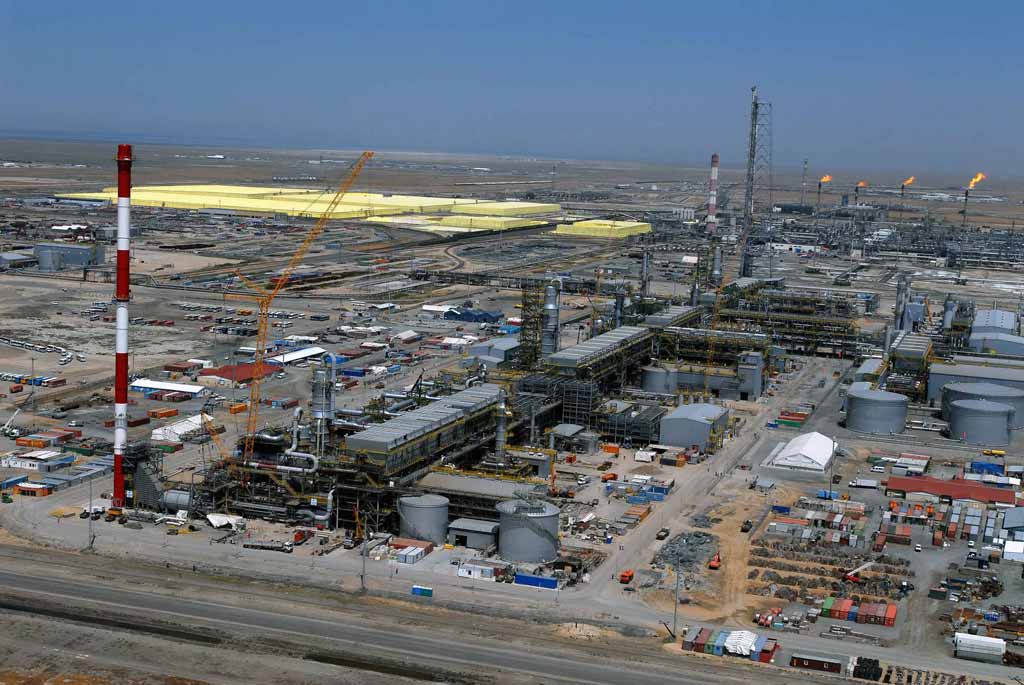

Kazakhstan’s giant Tengiz oilfield is ramping up production more slowly than expected due to loading disruptions at the Caspian Pipeline Consortium (CPC) terminal near Novorossiysk, Russia, industry sources said this week.
The delays stem from stormy weather and repeated drone alerts that have interrupted tanker operations at the Black Sea export facility, which handles around 80% of Kazakhstan’s oil exports.
Output at Tengiz rose to about 790,000 barrels per day (bpd) on February 24, up from 660,000 bpd a day earlier, but remained well below the planned 950,000 bpd target, according to two sources familiar with the matter.
The shortfall follows a series of setbacks, including transformer fires in January that disrupted power supply at the field, which accounts for roughly 40% of Kazakhstan’s total oil production.
Operator Tengizchevroil (TCO), led by U.S. oil major Chevron, confirmed that production is being restored in stages after the safe restart of its power distribution system, but did not provide detailed output figures.
Sources said Tengiz is technically ready to reach higher production levels, but limited storage capacity and delayed tanker loadings at CPC’s Yuzhnaya Ozereyevka terminal have constrained crude intake into the pipeline system.
The CPC terminal was closed for at least three days last week, and shipment schedules have reportedly slipped by around five days due to adverse weather and security-related inspections.
Mandatory underwater vessel inspections introduced at Russian ports this year have further complicated loading operations, adding to export bottlenecks.
The disruption has widened discounts for CPC Blend crude against dated Brent to their deepest levels since late 2022, reflecting buyer concerns over supply reliability.
Tengizchevroil exports most of its crude via CPC, though some volumes are redirected through alternative routes such as the Baku-Tbilisi-Ceyhan pipeline and the Druzhba pipeline to Germany.