

Global energy markets spiked on Tuesday as a U.S.–Israeli military campaign against Iran disrupted oil and gas exports across the Middle East, halting shipments from a region that supplies nearly a third of the world’s crude.
Benchmark Brent crude rose above $82 a barrel its highest since July 2024 extending gains of more than 15% since Friday, while European gas prices jumped 40%, intensifying fears of renewed global inflation.
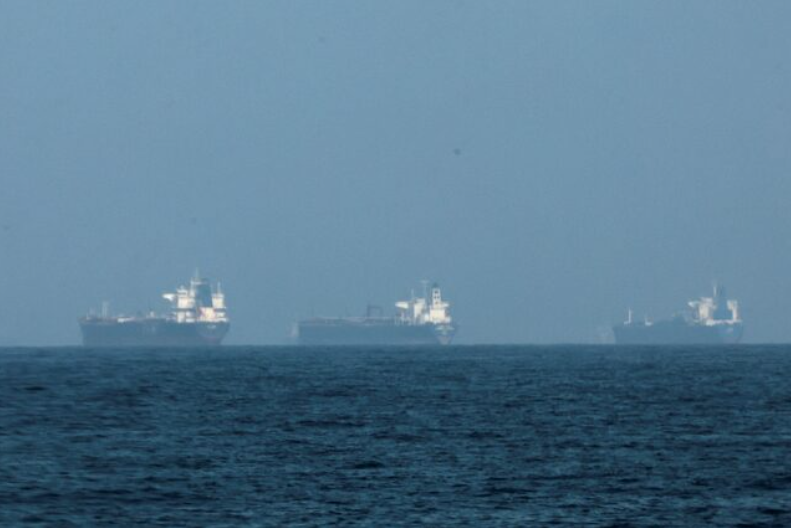
The Strait of Hormuz, which carries about one-fifth of global oil and gas supplies, remained closed for a fourth straight day after Iran attacked multiple vessels, bringing tanker traffic to a standstill.
Energy infrastructure across the Gulf has also come under fire, with incidents reported at Oman’s Duqm port and the UAE’s Fujairah hub, while Qatar suspended liquefied natural gas production and Saudi Arabia halted output at its largest refinery.
The escalation follows U.S. President Donald Trump’s weekend strike on Iran that killed Supreme Leader Ali Khamenei, marking one of the most dramatic foreign policy moves of his presidency.
In the United States, gasoline prices climbed above $3 per gallon for the first time since November, creating political pressure ahead of midterm elections as households grapple with rising living costs.
India has begun rationing gas supplies to industry after disruptions to Qatari LNG exports, while Europe already reliant on imports after cutting Russian supplies in 2022 faces renewed competition for U.S. gas.
Shipping rates worldwide have surged to record highs as hundreds of oil and LNG tankers remain stranded near Gulf export terminals, unable to reach markets in Asia and Europe.
Producers including Saudi Arabia, the UAE, Iraq and Kuwait may be forced to cut output within days if alternative shipping routes are not secured, raising concerns about prolonged supply shortages.
Security analysts warn that the duration of the crisis will depend on Iran’s remaining missile and drone capabilities, as Gulf states strain to intercept attacks on critical energy facilities and transport routes.