
The Ghana Chamber of Clean Energy (GCCE), in partnership with the International Perspective for Policy & Governance (IPPG), is urging government to reduce import duties and taxes on electric vehicles (EVs) and provide stronger support for local assembly plants to help make clean transportation more accessible to Ghanaians.
The recommendations were outlined in the Ghana Clean Transportation Outlook 2026, a first-of-its-kind publication assessing how Ghana’s electric mobility transport market is evolving and where policy and investment can deliver the greatest impact.
According to the report, Ghana’s clean transport transition is already underway, but it needs the right policy support to move from early momentum to large-scale adoption.
Motorbikes Driving Early Growth
The Outlook notes that Ghana’s clean transportation transition is unfolding across three distinct vehicle segments: passenger electric vehicles (EVs), electric motorbikes and tricycles, and electric public transport (trotros and buses).
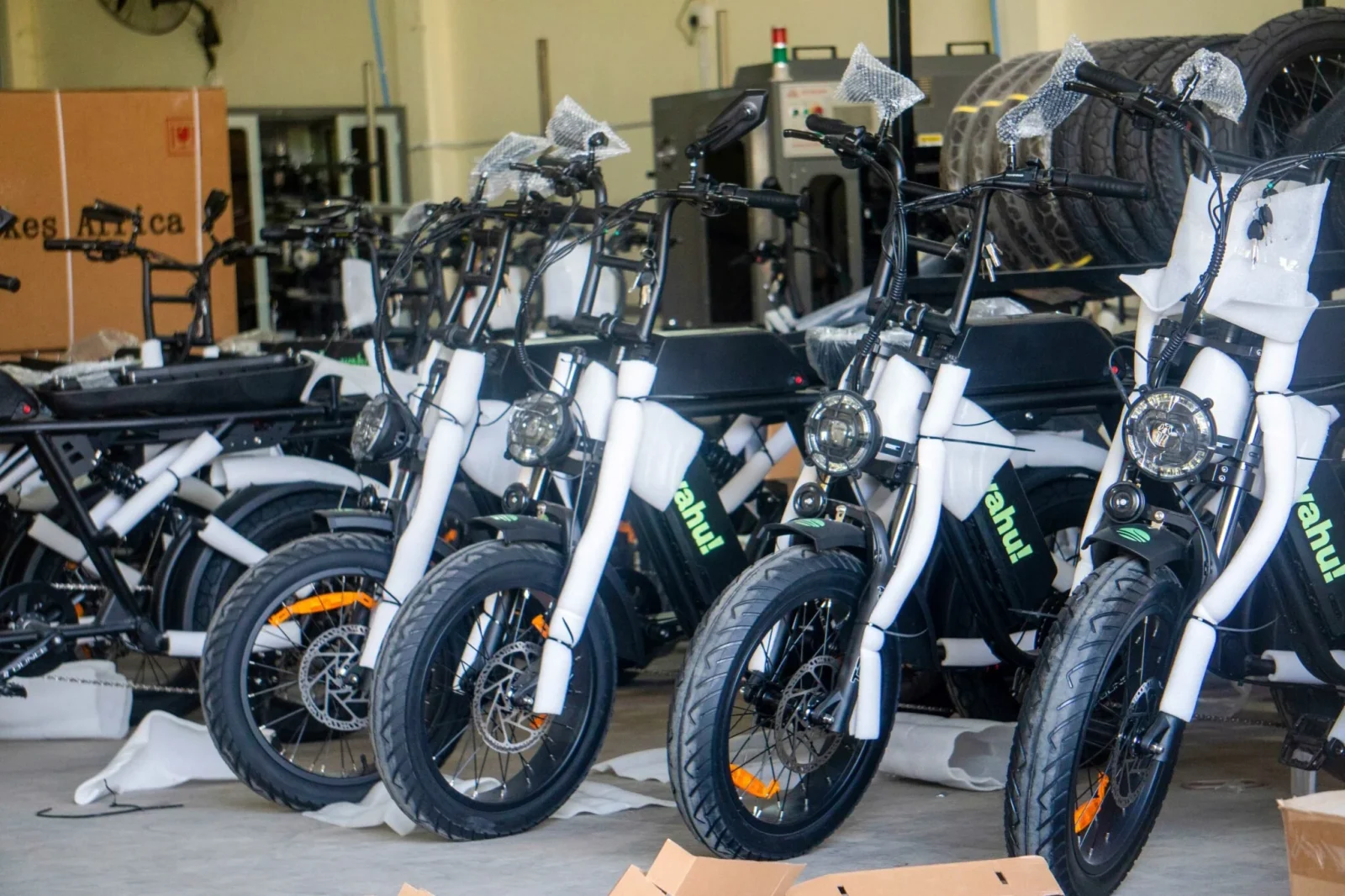
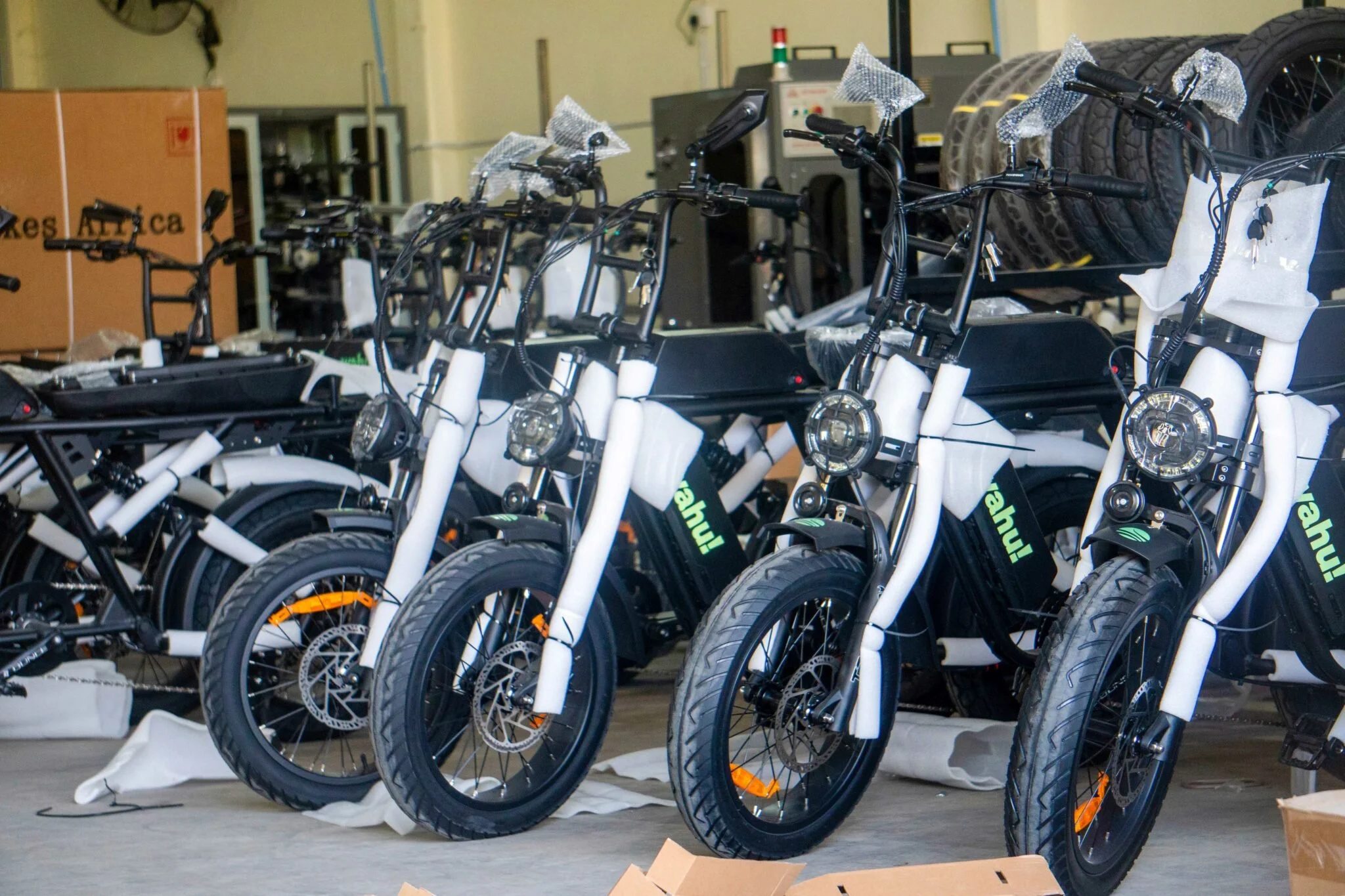
The report shows that electric motorbikes and tricycles are currently leading the market. Local companies are already assembling electric motorbikes and batteries in Ghana, while introducing battery-swapping services that allow riders to exchange batteries quickly instead of waiting for charging.
These innovations are closely connected to the growing delivery sector and the popular “okada” economy, where motorbikes are used as income-generating tools for ride-hailing, logistics, and everyday transport.
For many operators, the ability to reduce fuel costs and maintenance expenses makes electric motorbikes an attractive option, positioning this segment as the most promising area for short-term growth.
Passenger EVs Still Face High Costs
However, adoption of passenger electric vehicles remains slower. The report points to high import duties, upfront purchase costs, and strong competition from affordable used petrol and diesel vehicles as major barriers. Used internal combustion engine (ICE) vehicles continue to dominate the market due to established supply chains, readily available spare parts, and widespread mechanic networks.
The report argues that reducing import duties on EVs and their components, particularly for local assembly, would help lower prices, encourage demand, and create stronger conditions for investment in assembly plants.
Supporting Local Industry
Beyond duty reductions, the report recommends clearer implementation of existing incentives, preferential electricity tariffs for charging and battery-swapping stations, and improved partnerships with local financing institutions to help buyers access affordable payment options.
The Outlook stresses that aligning government policy with the realities of the market will be key to scaling Ghana’s clean transportation sector and attracting long-term investment.
PRESS STATEMENT
February 24, 2026
Clean Energy Chamber Calls for Lower Import Duties on EVs and Components for Local Assembly
The Ghana Chamber of Clean Energy (GCCE), in partnership with the International Perspective for Policy & Governance (IPPG), has released the Ghana Clean Transportation Outlook 2026, a first-of-its-kind publication assessing how Ghana’s electric mobility transport market is evolving and where policy and investment can deliver the greatest impact.
The Outlook finds that Ghana’s clean transportation transition is unfolding across three distinct vehicle segments: passenger electric vehicles (EVs), electric motorbikes and tricycles, and electric public transport (trotros and buses). This edition of the Outlook, however, focuses only on passenger EVs and electric motorbikes and tricycles, where market activity is already visible, and business models are beginning to take shape.
The report shows that electric motorbikes and tricycles are currently the most advanced segment as they align naturally with the growth of delivery service business models and the “okada” economy, where motorbikes are being used as income-generating assets across delivery, ride-hailing, and informal logistics. Companies operating in this space are already locally assembling and manufacturing electric motorbikes and batteries in Ghana, together with battery-swapping and service-based deployment models that lower upfront costs and keep vehicles in daily commercial use. As a result, these dynamics position electric motorbikes and tricycles as the clearest near-term pathway to scaling up e-mobility-related industrial development in Ghana.
By contrast, the passenger EV market remains smaller, shaped largely by imports of both new and used vehicles, with limited industrial activity compared to the electric motorbikes. Adoption continues to face strong competition from widely available and affordable internal combustion engine (ICE) vehicles, particularly used imports, which benefit from established supply chains and spare part dealers, established mechanics and repair networks, and lower upfront costs. These factors have slowed a stronger market formation and constrained the development of local value chains in the passenger EV segment.
Although both segments are growing, the Outlook finds that progress has been driven primarily by private-sector initiative and innovation, rather than public support. Companies are investing in importing vehicles, local assembly, charging and battery-swapping infrastructure, and new service models despite high costs and policy uncertainty. This early momentum points to a clear opportunity for government to step in more deliberately to accelerate private-sector efforts, given the sector’s potential to create jobs, reduce urban air pollution, lower fuel import dependence, and deliver long-term environmental and public health benefits.
In response, the Outlook calls on government to take more deliberate and targeted action to support market formation and accelerate scale. In the short term, it points to the need to reduce import duties and taxes on EVs and components for local assembly of motorbikes and tricycles. The report also calls for clearer and more predictable implementation of existing incentives, as well as preferential electricity tariff treatment for EV charging and battery-swapping stations.
Over the medium term, the Outlook highlights the importance of expanding EV-specific financing and risk-sharing mechanisms, including partnerships with local financial institutions, to address persistent affordability constraints. It further emphasises the need to strengthen support for local assembly and manufacturing, and to adopt segment-specific implementation frameworks under the National Electric Vehicle Policy, to reflect the different economics of passenger EVs, electric two- and three-wheelers, and public transport. Aligning these interventions with observed market realities will be critical to unlocking industrial development, crowding in private investment, and building a competitive and durable clean transportation ecosystem in Ghana.
Download full report here: https://cleanenergyghana.org/publications/
-Ends-
For more information, please contact:
Ms. Yaa Kumi-Kyereme
Communications Coordinator